
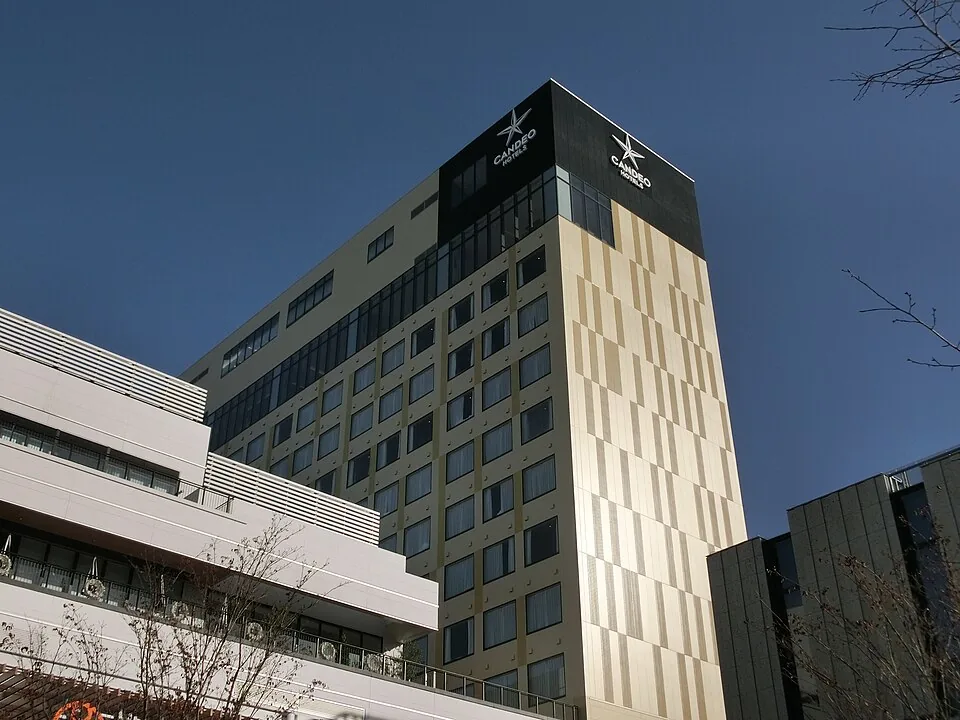
Utsunomiya is a useful place to sleep before a winter Nikko day only under a specific condition: you reach it by Shinkansen too late to make a comfortable onward trip, and you want to start on the JR Nikko Line the next morning. The hotel should keep the next departure easy, leave room for luggage and provide a breakfast or bath you can actually use. Candeo Hotels Utsunomiya, Daiwa Roynet Hotel Utsunomiya and Super Hotel Utsunomiya all sit east of JR Utsunomiya Station, yet they make different bargains on the walk, room and morning clock.
Candeo is about two minutes from the station and has a rooftop bath. Daiwa Roynet is a short east-side walk with a 27 m² twin and a 34 m² Deluxe Twin for three. Super Hotel places a compact 12 m² room, included breakfast and a scheduled-use hot spring within a longer walk. If you can reach Nikko itself at a sensible hour, a room there often saves the next morning’s train. This comparison is for the late-arrival stopover, not a claim that Utsunomiya is the best base for several Oku-Nikko days.
What the extra station night buys
JR trains to Nikko depart from Utsunomiya. Sleeping near this interchange can turn a tiring post-Shinkansen transfer into a short hotel walk and a morning departure. It does not remove the Nikko Line journey, nor the bus from Nikko Station to the shrines, Lake Chuzenji or Yumoto. The operator’s current timetable should determine the wake-up time; an old search result for a 2025 service is not a reliable 2026–27 departure. Check the train that reaches JR Nikko in time for your planned attraction and the last train that returns if this is a day trip. The Tokyo–Nikko rail and bus guide explains the route structure, while its autumn timetable details need a winter update.
The arrangement works best for someone travelling through Utsunomiya anyway: arriving from Sendai, transferring from another JR line, or finishing a late Tokyo day before a morning at the World Heritage precinct. If the whole journey begins in central Tokyo the next morning, booking a Tokyo room and making one through trip may be simpler. The Nikko day-trip versus overnight choice is useful before inserting an extra hotel night, and the Tokyo departure-base comparison helps choose the city hotel for a very early train.
Do not use this stopover to pretend that Lake Chuzenji has moved closer. After the Nikko Line you still face a mountain-road bus, and the winter schedule has fewer daylight hours than a summer itinerary. A lake-focused stay belongs in a separate decision. The two-day lake plan and lower versus upper Nikko base guide will show whether you should sleep nearer the lake instead. In heavy snow, keeping the Utsunomiya night can be a sensible weather buffer, but there is no guarantee that the mountain-road leg will run as planned.
Seven dimensions for the three station hotels
A Nikko day trip from Utsunomiya depends on the train you can catch after breakfast, not merely on a hotel being near a station on a map. Compare each hotel's door with the relevant station entrance and allow for the crossing with luggage if you will change hotels the next day. A small twin can be comfortable for two adults but unsuitable for a third or fourth traveller once the extra bedding is installed. Check breakfast hours against the departure you intend to take; a later buffet may make an included meal unusable on the main sightseeing day.
↔ Scroll table left or right
| Hotel | Access | Space | Comfort | Cleanliness | Neighbourhood | Service | Value |
|---|---|---|---|---|---|---|---|
| Candeo Hotels Utsunomiya | 9.5/10 | 8.0/10 | 9.1/10 | 9.1/10 | 9.2/10 | 8.6/10 | 8.3/10 |
| Daiwa Roynet Hotel Utsunomiya | 9.0/10 | 9.0/10 | 9.0/10 | 9.0/10 | 8.8/10 | 9.0/10 | 8.3/10 |
| Super Hotel Utsunomiya | 8.0/10 | 6.5/10 | 8.7/10 | 8.9/10 | 7.7/10 | 9.4/10 | 8.7/10 |
Swipe to compare the east-side hotels
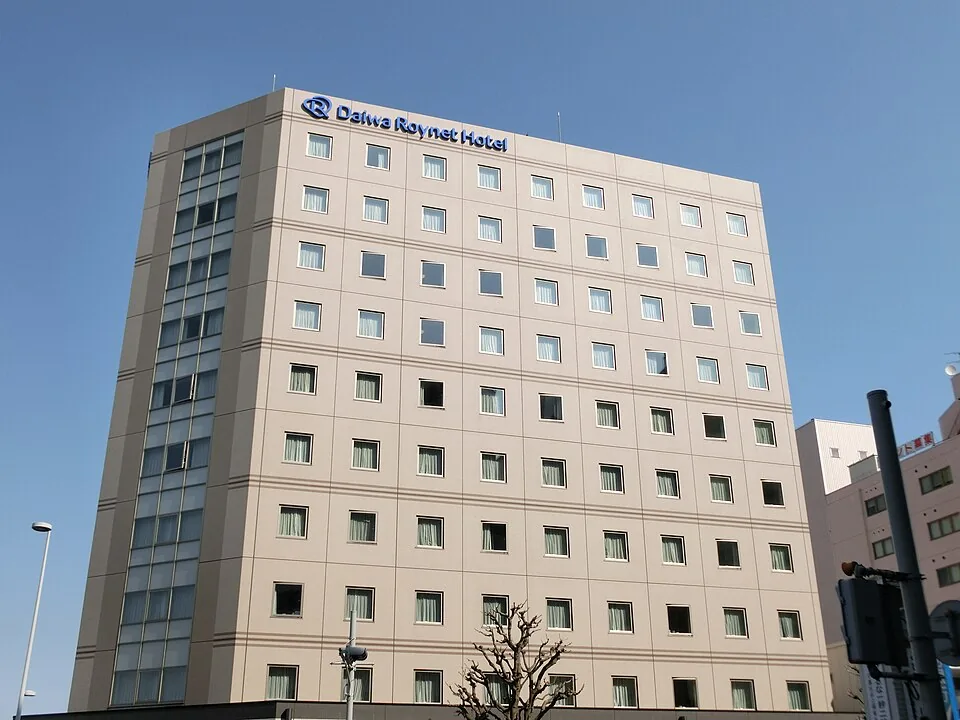
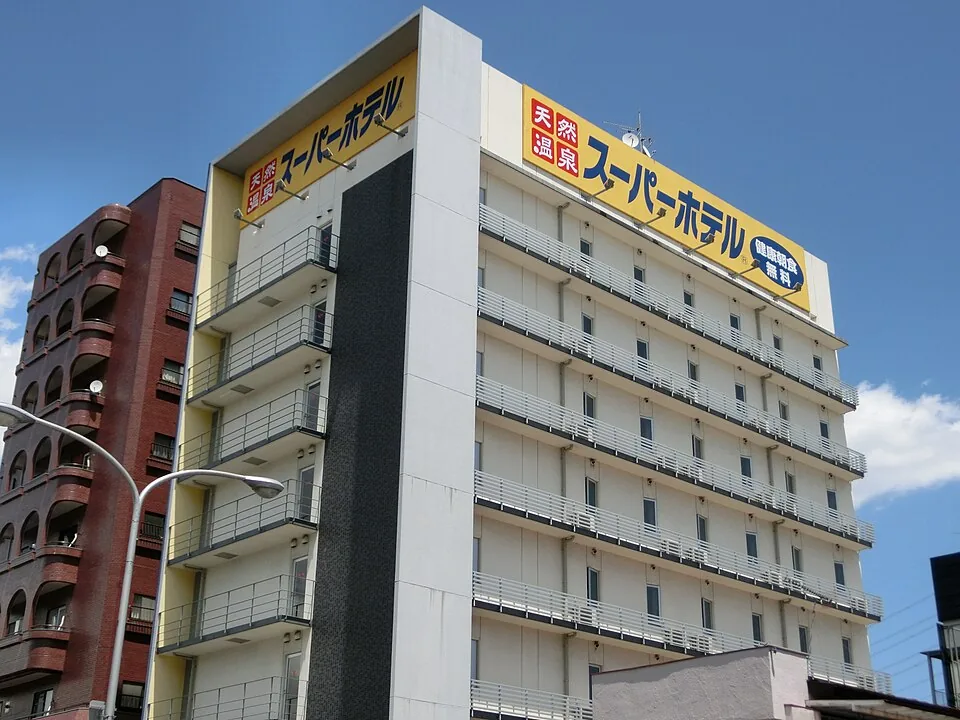
Super Hotel’s lower Space score comes from its published 12 m² standard and loft-bed rooms, not an assumption that its guests dislike the rooms. Its higher Value signal is a broad category aggregate, while its free breakfast and bath still need a timetable test. Daiwa Roynet’s 27 m² standard twin is a real step up in usable floor area. Candeo’s ordinary twins measure 20–21 m², but a 25 m² Corner Twin and much larger Private Spa Suite exist. The booking comparison must match the room that is actually available.
Candeo: closest walk, but breakfast is a separate decision
Candeo Hotels Utsunomiya lists a two-minute walk from JR Utsunomiya Station. For a traveller arriving late with a wheeled case, that is a concrete advantage. The hotel’s Wide Double is 18 m², its King 20–21 m², and its Twin and Hollywood Twin also 20–21 m². The 25 m² Corner Twin gives two guests more floor area. Some room descriptions allow a third adult or bed-sharing children; the bed arrangement and age rules on the selected plan must confirm how that occupancy is achieved. A published capacity is not a promise that three adults have three conventional beds.
The rooftop Sky Spa is the reason to consider Candeo even for one night. Its posted hours run from afternoon into the following day, although the sauna pauses for a part of the night. Check the current maintenance notice and bathing rules. If you arrive at 23:00 and leave at 06:30, the bathing window may still work, but breakfast probably will not. A guest who values a private bath should distinguish the ordinary room from the 39–42 m² Private Spa Suite; the latter is a separate category with its own bath. The first onsen experience and bathing steps explain the public-bath routine, even though a city spa is not the same stay as a mountain ryokan.
Candeo’s breakfast service is listed from 06:30 to 10:00 with a final entry time; room-only and breakfast-included rates should be compared for the exact date. If the first Nikko train you want leaves before the meal is available, pay for the room-only plan or confirm a suitable takeaway alternative. If breakfast fits, the station walk leaves more margin than a farther hotel. The property currently says it has no dedicated parking lot, so a driver should inspect the affiliated-lot arrangement and winter access rather than book on the assumption that a station hotel supplies a reserved space. The early-train hotel method is a useful parallel: breakfast hours and the platform route matter more than a generic station-area label.
Daiwa Roynet: the room with room for equipment
Daiwa Roynet Hotel Utsunomiya gives the clearest standard twin-area improvement of the three. Its regular Twin is 27 m² with two 122 cm beds and a partly separated bath and toilet. The 29 m² Corner Twin adds a little more floor area. Its 34 m² Deluxe Twin can accommodate three using an extra bed under the published terms; the hotel asks for advance notice and lists additional charges for that setup. Book the three-person configuration rather than hoping the third bed will appear at check-in. A 27 m² twin does not make the morning Nikko train faster, but it makes a one-night stop less cramped when the group has winter coats, boots and cases.
The 18 m² Standard Double is the lower-area choice for one or two. It has a 154 cm bed and a conventional unit bath. A 20 m² Corner Double has a wider bed; the 27 m² Superior King offers a different bath layout. For a family with a child sharing an existing bed, the operator’s room page specifies limits by category. Enter the child’s age and check whether breakfast is included for that child. The hotel’s room descriptions also distinguish smoking and nonsmoking variants in its booking inventory; choose the actual one you need. The family hotel room checklist is applicable to the bed-count problem, even though the city and trip differ.
Daiwa Roynet is a short walk from the east exit, but the relevant transfer is not simply hotel-to-station frontage. Find the lift or escalator route you will use to reach the JR Nikko Line platform with luggage after checkout. A guest collecting a rental car or carrying oversized gear may benefit from the bigger twin more than from Candeo’s shorter exterior walk. If the luggage will stay at the hotel during a Nikko day trip, confirm storage policy and the time the desk remains available for retrieval. The same-day luggage-delivery guide is an alternative when the wider itinerary requires sending bags ahead rather than returning to the same hotel.
Super Hotel: breakfast and hot spring have clocks
Super Hotel Utsunomiya lists a 12 m² Standard Room with a 150 cm bed. Its 12 m² Super Room adds a loft bed and may sleep up to three under the stated capacity. That makes it a different layout, not a spacious family room. The 18 m² barrier-free room has a separate published layout but is limited inventory and should be reserved by its actual category. Check whether a child can safely and comfortably use the loft bed and whether the floor area still holds the group’s baggage. Two compact rooms can be preferable to one 12 m² three-person arrangement for adults.
Its free breakfast currently begins at 06:30, ending earlier on weekdays and Saturdays than on Sundays and public holidays. The hotel also lists a natural hot spring called Mashiko no Yu, but the bath alternates between men’s and women’s sessions. The posted schedule was changed in April 2026. For some travellers, the bath is available on arrival but not after breakfast; for others, the desired morning window appears too late for an early train. Read the exact gender schedule before treating the bath as a value addition.
The hotel lists a walk of roughly seven minutes from JR Utsunomiya Station. That is still a modest walk, but it is the longest of this three-hotel group in snow or freezing rain. Do a simple clock test: leave room, check out, cross the eastern station area, buy or show the rail ticket, and find the Nikko platform. A buffet included in the rate is useful only if the train plan leaves enough minutes to eat. If not, the combination of compact room and longer walk deserves a real discount against the other two.
Set the Nikko target before paying
For Toshogu and the lower World Heritage area, an early JR Nikko Line departure gives the day a useful start. From JR Nikko, walk or take the appropriate bus to the heritage precinct; check the current winter opening hours and return bus. A guest who wants only those sights can return to Utsunomiya for a second night if the wider rail itinerary requires it. The Tokyo day-trip comparison provides a sanity check: if Nikko is just one of several optional day trips, a hotel move may not be justified.
For Lake Chuzenji, Kegon Falls or Yumoto, the upper bus ride becomes the main constraint. A morning train from Utsunomiya followed by a mountain bus may leave less sightseeing time than sleeping in Nikko or uphill. The Nikko versus Kinugawa stay guide and Chuzenji two-day plan show when an overnight nearer the destination earns its cost. A snow-sports excursion into Oku-Nikko needs the venue schedule and a separate transport plan.
In winter, do not assume the road and rail problems are the same. A Nikko Line disruption may delay the first leg; snow or road control farther uphill may affect buses even when the train runs. Keep an alternative lower-town route and know the last practical return. If the forecast makes a mountain visit doubtful, the refundable hotel and transport terms are more useful than a nominally cheap rate. The December weather guide and January weather guide are starting points for clothing; the local forecast and operators’ notices govern the day itself.
Which booking survives the actual schedule?
↔ Scroll table left or right
| Morning constraint | Room to inspect | Check before booking |
|---|---|---|
| Short walk back to JR | Candeo Twin or Corner Twin | Breakfast start and the station entrance used for the Nikko Line. |
| Two adults with large bags | Daiwa Roynet 27 m² Twin | Exact beds, breakfast start and platform route. |
| Compact overnight before an early train | Super Hotel named room | 12 m² floor space, breakfast hours and bath closing time. |
Choose Candeo when your bags are heavy, the arrival is late and you will use the rooftop bath, or when the two-minute station walk gives useful margin before breakfast and the Nikko train. Choose a Twin or Corner Twin if separate beds and bags need floor area. Compare breakfast-inclusive and room-only totals on the same cancellation basis, and check the current parking arrangement if you arrive by car.
Choose Daiwa Roynet when a 27 m² twin, larger corner twin or confirmed three-person Deluxe Twin will change the room experience. It is the strongest of this group for two adults who want separate beds with space for luggage, or three people who need a real extra-bed arrangement. Check the cost and advance notice for that bed, the hotel’s breakfast start, and the route back to the JR platform.
Choose Super Hotel when you will use its included breakfast or timed hot spring and can live with the 12 m² room. It can be a sensible one-night stop for a solo traveller. The loft-bed Super Room should be chosen only after the sleepers and cases have been matched to its layout. A morning bath time that conflicts with the train is no value at all. The onsen stay selection guide is relevant if a hot-spring experience is the trip’s main purpose; a short station-hotel bath session should not be confused with a ryokan night.
At payment, put the next day’s JR Nikko Line train beside the booking. Note the hotel exit, breakfast hours, bath access for the actual guests, room area, extra-bed conditions and luggage plan. If the aim is an upper-mountain winter break, stop here and book closer to the mountain instead. If the aim is a late-arrival rail buffer followed by a focused Nikko morning, all three hotels can work once those details line up.