
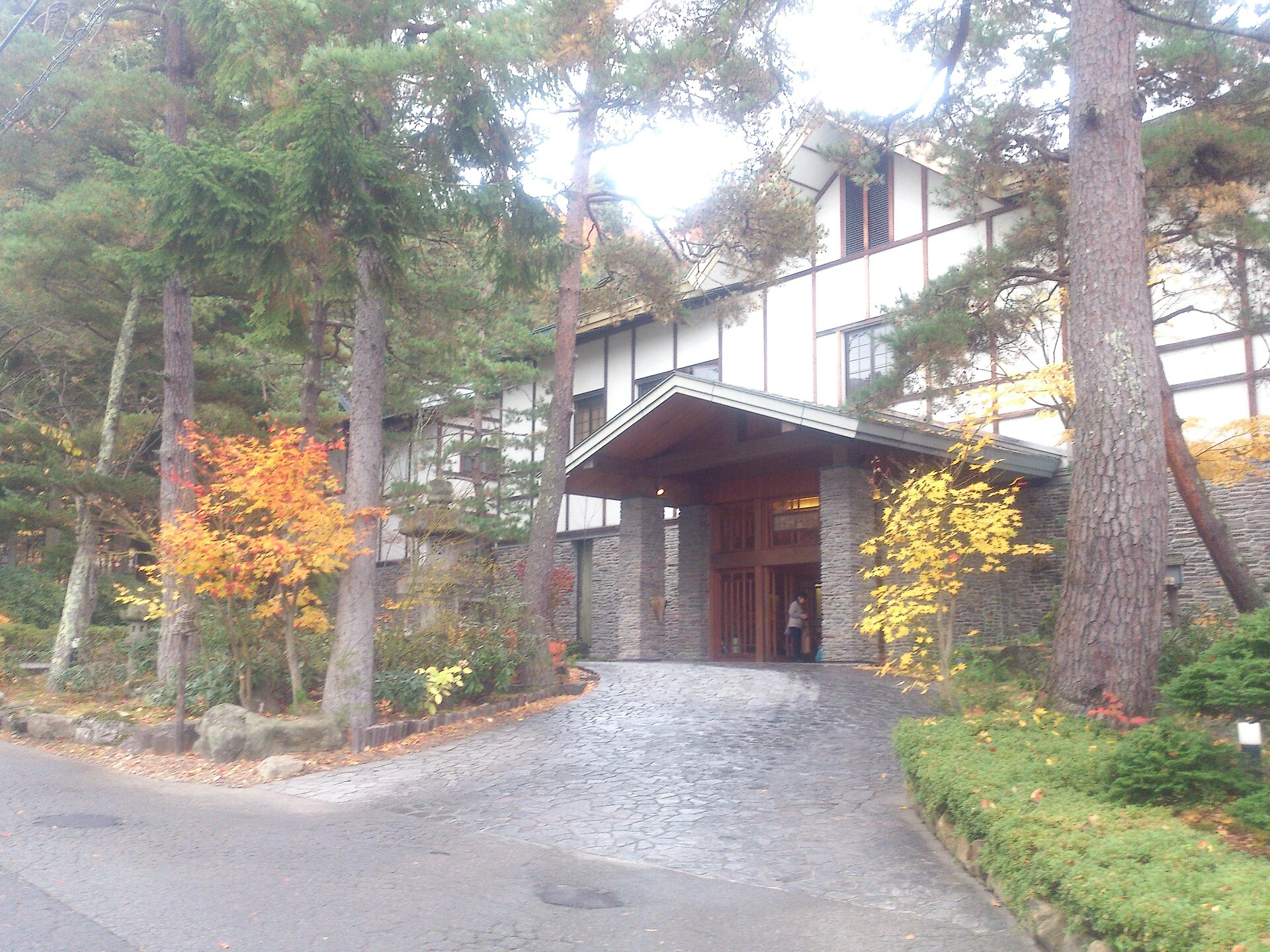
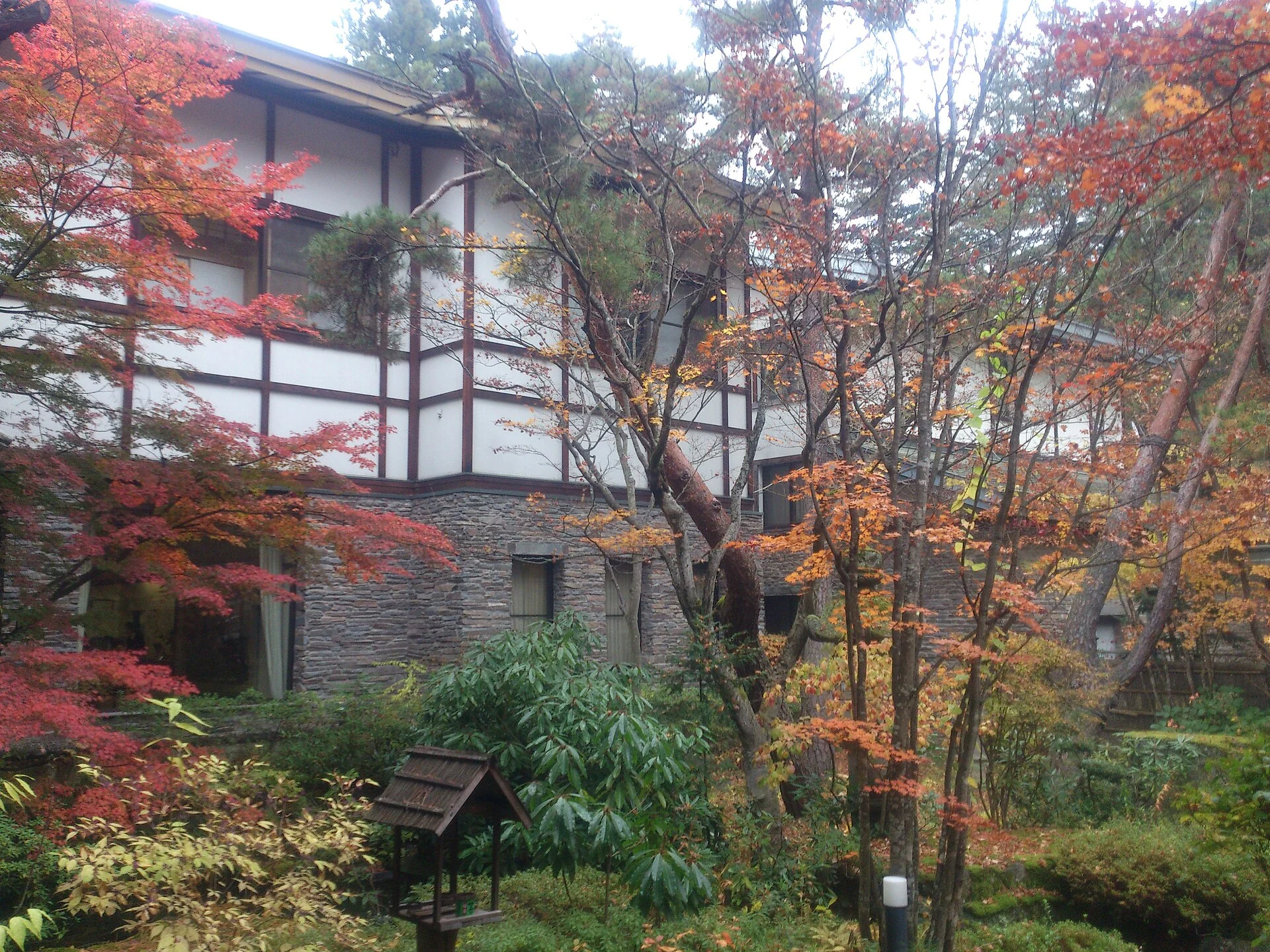
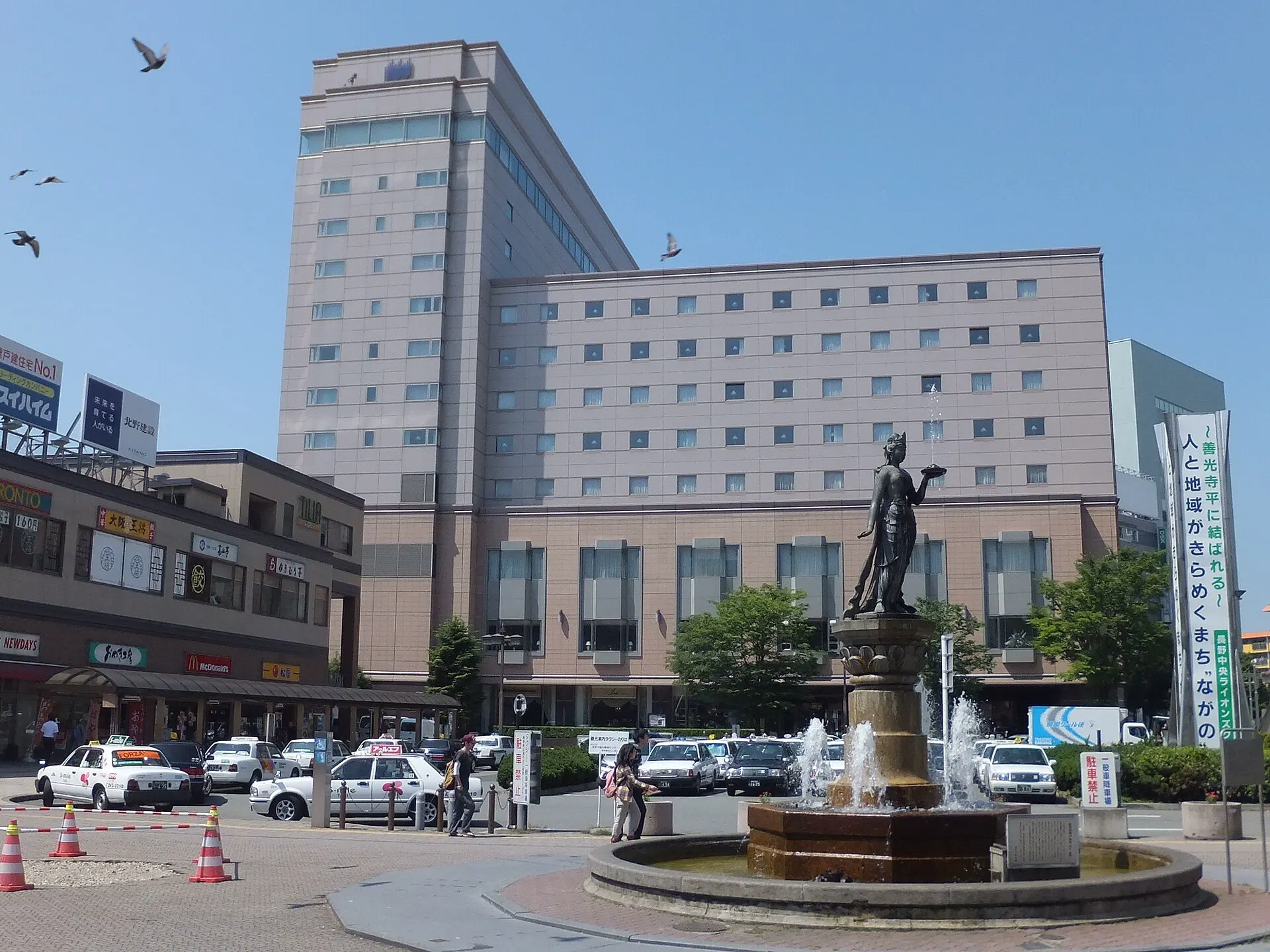
Swipe to see the two hotels
A hotel close to the snow monkeys still leaves you with a forest walk. That is the first fact to settle before choosing between Kanbayashi Hotel Senjukaku and Hotel Metropolitan Nagano. Senjukaku puts your room near the Kanbayashi trailhead and makes the hot spring and dinner part of the trip. The Metropolitan puts you beside Nagano Station, where a late train arrival, a day trip by bus and an early departure are easier to arrange. Neither room can remove the last walk to Jigokudani, and neither can guarantee that the wild macaques appear during your visit.
The useful question is what should happen around the park visit. If you want a ryokan evening after a snowy walk, paying for the additional transfer to Kanbayashi can make sense. If the park is one stop between Tokyo and another destination, Nagano's station hotel preserves flexibility. A family should decide whether every member can manage the unpaved trail before paying for either hotel. The Nagano snow monkey day-trip guide covers the excursion itself; this comparison concentrates on the two different nights that can surround it.
The trail remains the same physical commitment
The park's official access description gives about 35 minutes on foot from the Snow Monkey Park bus stop, or about 30 minutes along the roughly two-kilometre Yumichi trail from Kanbayashi. Those are route descriptions, not a guaranteed family walking time. Snow, ice, mud, steps and uneven ground can make the trip slower. The park says the approaches do not accommodate wheelchairs or carts. Senjukaku is near the Kanbayashi approach, so it removes the bus trip from Nagano on the morning of your visit; it does not place the macaques beside the hotel door. If a member of the party cannot safely complete the trail, the sensible response is to choose another activity, not to assume the nearer hotel solves the problem.
From Nagano Station, the park describes an express bus toward Shiga Kogen taking about 41 minutes to the Snow Monkey Park stop, followed by the walk. Another published route uses the Nagano Dentetsu train to Yudanaka, then a bus of about 15 minutes and the same walk. Transfer and waiting time are additional. A timetable can make one route faster for a particular departure even if the nominal vehicle times suggest otherwise. Check the operator's current winter service for both outward and return trips; an old schedule is especially risky when a final train or prepaid dinner is involved. The Shiga Kogen lodging comparison is relevant if the bus journey continues beyond the monkey park to a ski stay.
The park publishes winter opening hours of 9:00 to 16:00, but operating information and admission charges should be checked for the travel date. Its animals are wild. A hotel booking does not buy a sighting, and a photograph of macaques in hot water is not a promise of that scene on a given afternoon. Consider the live information and weather before setting off. Senjukaku gives a two-night guest more room to shift the visit between days; a one-night guest with fixed onward transport has less flexibility. Nagano gives a day tripper more alternatives if the trail is unsuitable. That is a difference in itinerary resilience, not in the park's wildlife.
Read the seven dimensions as a starting point
These scores frame a winter traveller's hotel decision; the route and exact room still decide the booking. Senjukaku's access reflects proximity to the park trail after you have reached Kanbayashi, while the Metropolitan's reflects the ease of arriving by rail and leaving again. Space reflects named room options rather than a promise that every reservation includes the largest category. Value depends on using what is actually included: a ryokan dinner and bath have little value to someone who reaches the hotel after dinner, while a station room is less useful if the entire trip is devoted to Kanbayashi.
| Hotel | Access | Space | Comfort | Cleanliness | Neighbourhood | Service | Value |
|---|---|---|---|---|---|---|---|
| Kanbayashi Hotel Senjukaku | |||||||
| Hotel Metropolitan Nagano |
The Access figures are deliberately route-sensitive. They should not be read as a claim that the Metropolitan is closer to the monkeys. It is closer to the Shinkansen, shops and onward services. Senjukaku's Neighbourhood score describes a quiet onsen setting and its trailhead location, not an urban selection of late restaurants. The two hotels also supply different bathing products. A guest survey about a city bathroom and a ryokan hot spring cannot establish that the facilities are interchangeable. Read the bath and meal descriptions below before letting a small difference in the table settle the choice.
When Senjukaku is worth the extra transfer
Senjukaku works best when the night itself is part of the plan. It stands at Kanbayashi Onsen, near the walking approach to the park. You can arrive, settle into a room, bathe and eat dinner without needing to return to central Nagano. On a two-night stay, you can choose the better of two weather windows for the trail and still have a useful hotel day if the visit is shortened. A traveller who wants a hot spring after snow rather than merely a place to sleep is buying something the Metropolitan does not provide. The ryokan selection guide explains how to read meal and bathing inclusions before comparing a ryokan quote with a city room.
Room names matter here. Senjukaku advertises a modern Japanese-style room of about 50 square metres for two guests, with twin beds and a sofa. Other Japanese-style rooms use futons and different layouts. Some higher categories have a hot-spring bath in the room, including substantially larger suites. A listing showing the largest suite should not determine expectations for a standard room. Ask for the exact floor area, number of permanent beds or futons, bathroom type and whether a child is counted in existing bedding. For a family, enough floor space to dry coats and open luggage can matter more than a scenic room photograph. The family room planning guide gives a useful way to count real sleeping surfaces, even though those apartments are in another resort.
The property has communal hot-spring bathing, outdoor baths and reservable private bathing options. Confirm whether a private bath is included, requires a separate booking or has a charge for the chosen plan. A room with a conventional bathroom is not a room with its own spring. Likewise, a picture of the communal bath does not indicate when it is open for a particular guest. The private onsen room guide helps distinguish in-room bathing from a reservable shared facility, and the bathing etiquette guide helps first-time visitors prepare for communal bathing. Senjukaku also describes an indoor pool; pack swimwear and check opening hours if that is part of a bad-weather plan.
Dinner is a major part of the difference from a city hotel. Senjukaku offers meal plans, but the dishes, inclusions and serving time belong to the exact plan booked. Work backwards from your train arrival, the service from Yudanaka and check-in, then ask whether you can reach dinner in time. A discounted late arrival can cost more in practical terms if the included dinner is lost. If you plan to visit the monkeys before check-in, make sure the property will handle luggage and that the park walk allows you to return for the meal. The activity-before-check-in decision addresses that same timing problem; the dinner-included comparison helps put meals into the total room cost.
Ask Senjukaku how guests reach it from Yudanaka Station with luggage. A train to Yudanaka, a local bus or a property transfer, and a walk to the reception are different legs. The park route printed for visitors is not automatically a hotel pickup instruction. Confirm the pickup point, reservation requirement and final useful connection. If you drive, the park's access page identifies a Kanbayashi parking approach and also warns that a separate road to another park-side lot closes in winter. Do not use a summer shortcut on a winter rental itinerary. The January clothing guide is helpful for packing layers, while the luggage forwarding guide can reduce the number of bags taken to Kanbayashi.
What the Metropolitan makes easier
Hotel Metropolitan Nagano is connected to Nagano Station on the Zenkoji side. The practical benefit appears before the monkey trip starts: a guest arriving by Shinkansen can reach the room without a further bus to Kanbayashi. It also lets the party leave main luggage at the hotel for a lighter day trip, subject to the property's storage rules, and return to the station for an onward train. For an itinerary with one park visit and no strong interest in a ryokan dinner, that can reduce travel friction on both sides of the night. A Hakuba base comparison becomes more relevant once the next hotel is a ski base rather than Nagano.
The hotel's Standard Twin is listed at 25 square metres with two 120-centimetre beds. It is a clear reference point for two people, not evidence that every category or child arrangement is the same. Check the exact booking and occupancy rule if three people are travelling. If a family needs more separate beds or a kitchen, compare another room type rather than stretching the twin's name. A city hotel bathroom and an onsen ryokan bathing program are different experiences, even if both rooms are comfortable after a cold walk. The Metropolitan is well suited to someone who will spend the evening near restaurants or the station, and less suited to someone who expected to soak in a natural hot spring without another excursion.
Breakfast needs to be matched to the first useful bus. If the booked rate includes breakfast but the group wants to start the trail early, ask when service begins and how long the meal usually takes. An earlier room-only departure may fit the day better than leaving a paid breakfast untouched. On the return, identify the last connection that allows for a slower winter walk, a queue at the park and time to retrieve luggage before the Shinkansen. Do not build the plan around a 41-minute bus alone; the entire route includes station access, waiting and the trail. The winter trip cost timeline offers a useful way to compare transport, meals and cancellation as one purchase.
Bad weather can also favour the station room. If the trail is icy beyond what the party can manage, you have not committed the hotel evening to the park area. Nagano offers an urban base and straightforward onward rail travel. That does not mean cancelling the activity is painless: tickets, transport and room conditions still depend on what was purchased. It means the lodging remains useful if the excursion changes. A traveller going on to a mountain resort can decide whether to travel onward that day or wait for better conditions. The Shiga Kogen wing guide and Happo versus Echoland guide both show why the next night's location should match the next day's first activity.
Build two complete itineraries before comparing prices
↔ Scroll table left or right
| Decision | Senjukaku in Kanbayashi | Metropolitan in Nagano |
|---|---|---|
| Arrival after a long rail day | Arrange the Yudanaka and final hotel leg; protect dinner time | Check in beside Nagano Station |
| First park morning | Walk to the Kanbayashi trail approach; still complete the forest path | Take an express bus or train and bus; then complete the path |
| After a wet or cold walk | Return to the ryokan bath and booked meal | Return to the city, choose dinner, prepare onward travel |
| Park visit becomes unsuitable | Use the hotel as an onsen stay if its facilities suit your party | Change the day trip while retaining the rail base |
| Early departure next morning | Allow the transfer back toward Nagano | Leave directly from the adjacent station |
Price the same dates, the same number and ages of guests, and the room each party can actually use. For Senjukaku, include dinner if it is part of the reason for going, then add the transport needed after Nagano or Yudanaka. For the Metropolitan, include the round-trip park transport and any meals bought separately. A nightly rate alone cannot say which complete itinerary costs less. Value also changes with timing: the ryokan's included facilities may be a good purchase for a slow two-night stay and a poor purchase for a late check-in followed by an early train. The first onsen account can help decide whether a bathing-centred evening is appealing before paying for it.
A child, older adult or anyone with limited mobility changes the decision further. The hotel entrance, room elevator and train station can each be accessible while the forest path is not. Establish the party's realistic walking ability before choosing an accommodation specifically for the monkeys. If the trail remains feasible but the combined bus and trail day is too long, Senjukaku can distribute the effort over two days. If it is not feasible, choose an alternative Nagano activity and book the hotel for its own merits. The multi-generation hotel guide offers a method for checking room and daily movement needs rather than assuming that a hotel brand solves them.
For a one-night stay, the final decision can be written on one line. Choose Senjukaku when the park trail, bath and dinner are one coherent Kanbayashi stay and your arrival reaches the meal. Choose the Metropolitan when the park is a flexible day trip between rail journeys and the hotel's station position saves an extra transfer. Confirm the current bus and train timetable, park conditions, exact room and cancellation terms before payment. Then allow a winter margin for the forest path; the advertised vehicle time is only part of the day.