
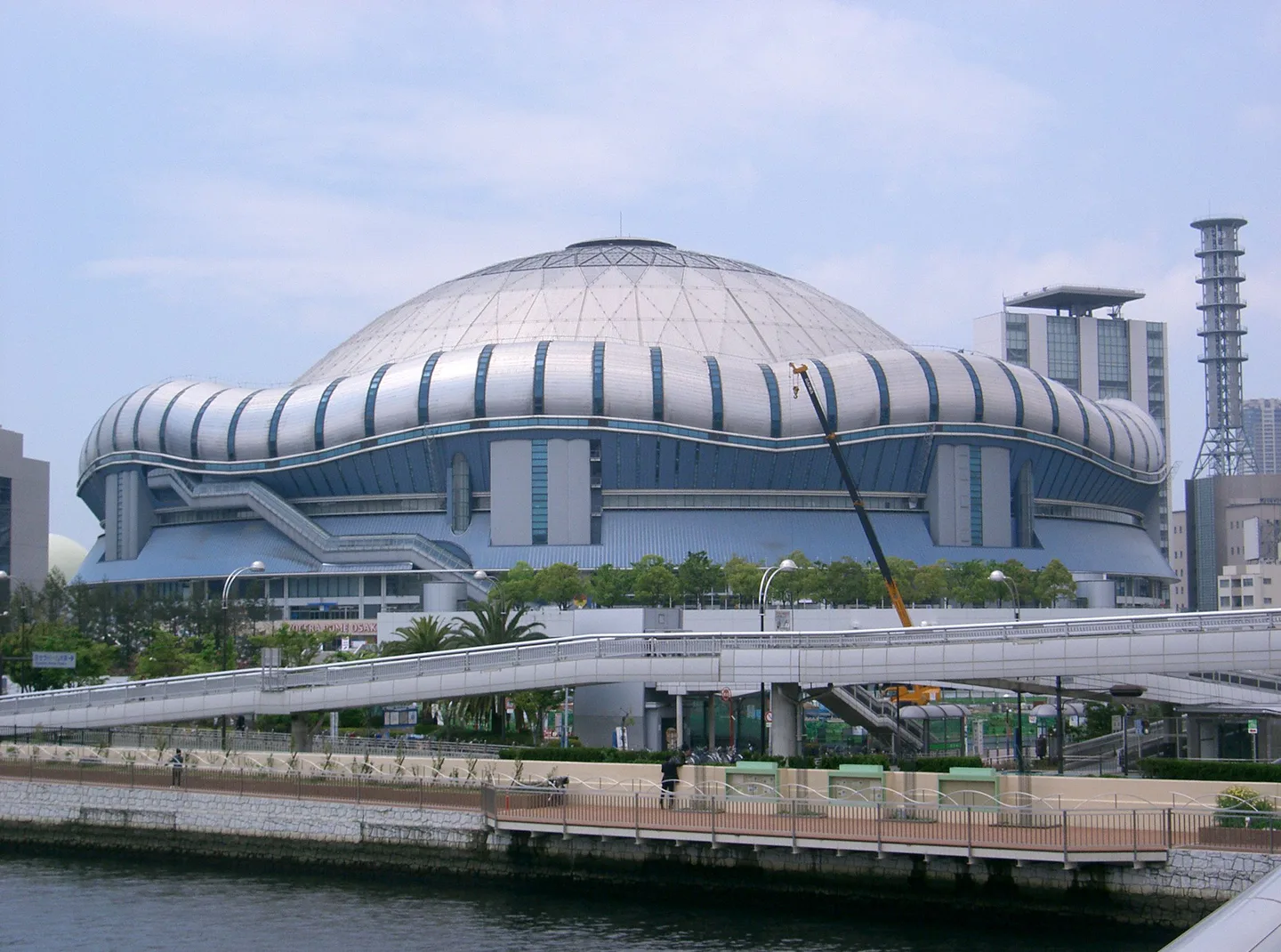
A hotel beside an Osaka concert venue is useful only if it solves more of your trip than it complicates. Imagine leaving the show with a crowd, a bag of merchandise and tired feet. The final train change and walk to your room may matter more than the map's straight-line distance. Then consider where you need to be the next morning. One easier return is rarely worth relocating a four- or five-night stay, but repeated shows or a demanding standing ticket can change that calculation.
Start with the Osaka neighbourhood that suits your sightseeing days. A single concert can be reached from most central bases. Give the venue more weight when you are attending on consecutive nights, travelling with a child or someone who cannot walk far, collecting bulky goods, or leaving early the next day. In those cases, the shorter journey may save effort you will actually notice, even when the room costs more.
The morning after the concert matters, too
↔ Scroll table left or right
Concert pattern | First area to compare | Change the choice when |
One Kyocera Dome night amid several Minami evenings | Namba | Shows repeat, walking is difficult or purchases are bulky |
One Osaka-Jo Hall evening before JR-led days | Umeda and Osaka Station | Your other plans already cluster around Kyobashi or the castle |
A standing Zepp Namba show in a Minami-led stay | South Namba | Most mornings require northern Osaka connections |
The performance brought you to Osaka | A base in the venue direction | A single seated show makes city access more useful |
Two different halls on successive nights | One hotel with reasonable returns from both | Moving rooms twice creates more effort than it saves |
Still deciding between those two central districts? The Namba vs Umeda guide can settle the base before you account for the performance. Four other mornings deserve a vote.
Trace the journey after the encore
A route planner's travel time is only the middle of the journey. Before booking, picture the whole return:
leaving the venue with the crowd, carrying your belongings, reaching the platform, changing trains if needed and walking the last streets to the hotel.
A short journey with a crowded interchange and a long station passage may feel harder than a direct ride that takes longer on paper. A seated arena concert and a standing show also leave you with different energy for the same walk. If several hotels look similar, compare the post-show route step by step instead of ranking them by distance from the venue.
A room nearer the stage earns its premium when it cuts the parts of that journey your group will find difficult. The saving is in walking, waiting and transfers as well as minutes.
Confirm which venue is on the ticket
Check the organiser's event listing for the exact hall and date before committing to a room that cannot be cancelled. A similarly named venue or a moved show can put an otherwise sensible hotel on the wrong side of the city.
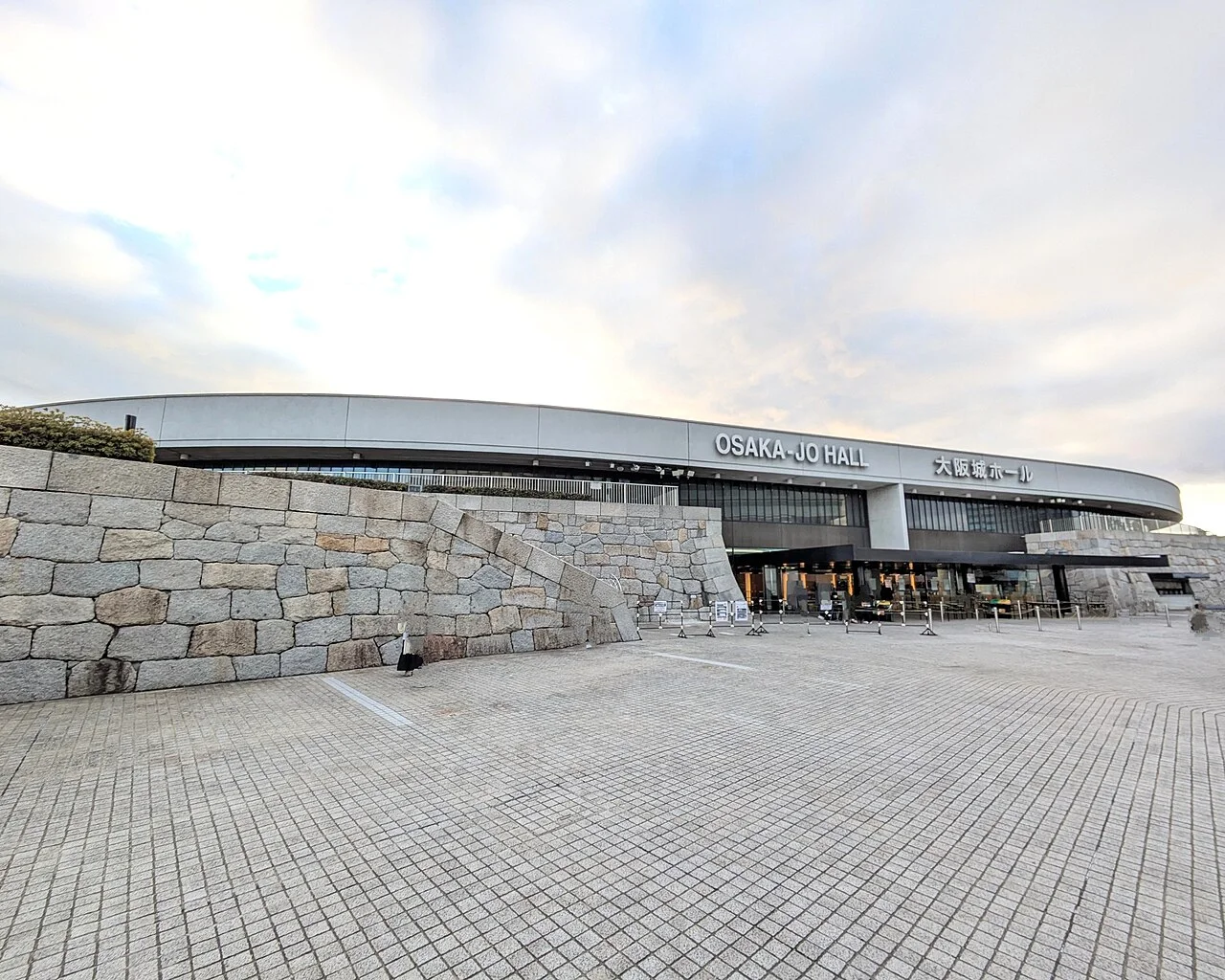
Osaka-Jo Hall has announced a renovation closure from 12 January through 10 March 2027. If a resale page or old itinerary places an event there during those dates, confirm the organiser's current venue and schedule before choosing accommodation. A changed hall can alter both your late-night return and the best station for the following day.
Zepp Namba (OSAKA) is not Zepp Osaka Bayside. Namba is in Shikitsuhigashi, south of the busiest Minami streets; Bayside is near Sakurajima. Search the full venue name on your ticket. A hotel chosen for the wrong Zepp can turn an easy walk into a cross-city trip after the show.
Kyocera Dome: Namba can still serve the whole stay
Kyocera Dome Osaka has several rail approaches, including Osaka Metro's Dome-mae Chiyozaki, Hanshin's Dome-mae and JR Taisho. That gives concertgoers choices for dispersing after a large event. Unless the show is the main purpose of the visit, you need not book next to the dome to have a workable journey home.
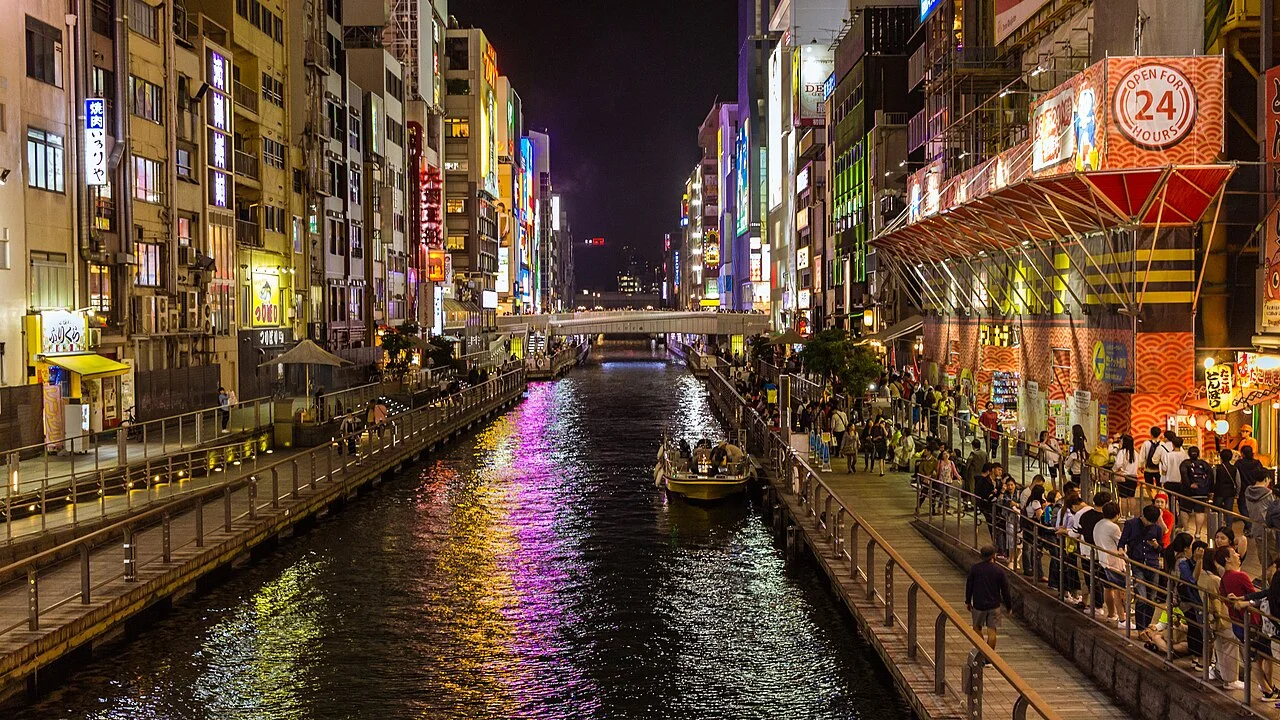
Namba is often the sensible starting point when other nights are in Dotonbori or Shinsaibashi, your meals are around Minami, or Kansai Airport is your next departure. You make the dome trip once, while returning to the hotel from the rest of Osaka repeatedly. Compare that repeated convenience with the one evening you may save by moving close to the venue.
For a Minami-heavy holiday, compare neighbourhoods in the Osaka stay-area guide before letting a single dome show dictate every hotel night.
A second dome night changes the balance
Two consecutive shows mean two crowded exits, two returns with whatever you bought and two mornings affected by how late you sleep. A nearby room can be worthwhile once the same awkward journey repeats. Ask how many times you will make the return, then weigh that against the sightseeing journeys from a less central base.
The more often you repeat a difficult journey after the show, the more a shorter return is worth to you.
A family with a tired child or someone with limited walking tolerance may reach that point after a single concert. For others, a second or third night is what tips the choice. The map has not changed; the number of times you use the route and the physical effort have.
Osaka-Jo Hall: consider tomorrow's train too
JR Osakajokoen and Osaka Metro Osaka Business Park are both about a five-minute walk from Osaka-Jo Hall. Morinomiya and Osaka-jo Kitazume are farther alternatives. The hall does not provide event parking, so plan the evening around public transport rather than a car waiting nearby.
Umeda becomes particularly attractive if the next day begins with a JR journey toward Kyoto, Kobe or Shin-Osaka. Your return to Osaka Station after the concert leaves you well placed for that morning departure. A hotel nearer the hall may save a little time at night while putting the first train of the next day farther away.
Look at the two journeys together: the route back after the show and the first journey after breakfast. A base that works for both is usually easier than one chosen for the hall alone.
If Umeda is likely, the Osaka Station hotel comparison looks at the station-area rooms in more detail than a venue-distance map can.
Pair the night route with the next morning
Write down the post-show station, any interchange and the station you need after checkout or breakfast. The hotel sits between those two journeys. This is especially important when the morning includes a reserved train, a flight or a day trip with an early departure.
↔ Scroll table left or right
Concert evening | First journey next day | Area worth checking |
Osaka-Jo Hall | Kyoto, Kobe or a Shinkansen departure | Umeda may serve both journeys |
Kyocera Dome | Minami plans or Kansai Airport | Namba can keep the wider route simple |
Zepp Namba | Another day in the south of the centre | A south-Namba room reduces backtracking |
Any of the three venues | A very early train or flight | Choose the departure route before chasing the shortest show return |
Saving a short walk on concert night offers little if it creates a much longer transfer the next morning. Check the combined journey before paying a venue-area premium.
Zepp Namba: a standing ticket changes the walk home
Zepp Namba lists approximate walks of 12 minutes from Namba Station, 10 from Ebisucho and seven from Daikokucho. Those are ordinary walking estimates. After a standing show, the final streets can feel longer, particularly if you have bought merchandise or need to stand through a busy train ride as well.
If most of your holiday is in Minami, a room around south Namba can keep the venue, meals, shopping and your bed in a compact area. This is useful before the show as well as afterward: you can return to the room, drop purchases and leave again with a lighter bag.
A single Zepp night is less persuasive if the other four days start at Osaka Station for Kyoto, Kobe or Shinkansen travel. In that case, keeping a northern base and accepting one longer return may be less tiring across the stay. The exception is a group for whom the standing show or walk poses a real physical problem.
Do not rely on getting a Zepp locker
The venue lists 480 indoor lockers and 690 outdoor lockers at ¥500 each. Indoor lockers are not available before doors open, and outdoor ones may not open for every event. Check the event's arrangements if carrying goods is central to your plan. The published count is useful, but it does not reserve a locker for you.
If you expect to buy several large items, decide where they will go before the performance. A practical walk back to a Minami hotel may be more valuable than a slightly faster late-night train from a room with no way to drop the purchases. If returning to the room is impossible, keep the bag you bring to the venue small enough to manage during the show.
A nearby room can help before doors open
The hotel may solve a second problem that a rail map misses. Merchandise sales can start long before the performance, leaving a gap between buying items and entering the hall. A room you can reach during that interval lets you unload, eat and go back without carrying everything through a standing audience.
That return to the room matters most when several of these conditions apply:
Sales begin well ahead of the doors opening.
You expect several large purchases, such as towels or bags.
The available lockers depend on event arrangements.
A standing ticket makes a light bag particularly useful.
For a Zepp Namba show, south Namba can therefore beat an equally short rail route from another district. The useful question is whether you can make a comfortable loop from hotel to merchandise sale, back to the room and then to the doors.
Is the concert one evening or the reason for the trip?
If you would have taken the Osaka holiday anyway, let its other days choose the base and accommodate the show. If flights and leave dates were arranged around an artist, it is reasonable for the event to take priority. Those travellers may spend much more time near the hall than the performance itself suggests.
A concert-led visit can include early merchandise sales, fan gatherings, several hours on your feet and a late exit. Paying for fewer transfers is easier to justify when those are the activities you came for. Name the exact inconvenience the premium removes; a generic claim that one area is 'better' is not enough to choose the room.
For two venues, look for one base that serves both
When shows fall at different Osaka halls, compare where their return routes converge. A single hotel with a reasonable trip from both can spare you packing and changing rooms between performances.
Kyocera Dome with Zepp Namba: Both evenings can work from a Minami base.
Osaka-Jo Hall followed by JR excursions: Umeda supports the show return and the other departures.
Kyocera Dome with Osaka-Jo Hall: Let the non-concert days break the tie between bases.
Moving hotels twice for marginal savings after each show creates checkouts, luggage storage and new station walks. Keep one base unless one event has a specific need that the shared route cannot meet.
Plan for a comfortable train, not the last possible one
Encores, managed exits, merchandise pickup and platform queues can make the journey home begin later than a ticket's advertised finish. A route that depends on catching the final connection offers little margin. Look for an earlier train option and know the backup before concert night.
If the hotel only works when the performance and exit finish exactly on schedule, reconsider the route. A direct ride or a walkable last leg is often worth more than a theoretical arrival time calculated under perfect conditions.
After a large venue empties, taxis may also be hard to find quickly. Rail is usually easier to plan in advance; use a taxi as an option if available, rather than the sole way your hotel choice can work.
Choose a room you can actually recover in
For two or more travellers, the room matters once everyone returns tired and carrying belongings. Check details that affect that hour:
Clear space to put down shopping and cases.
A proper bed for each person who needs one.
A bathroom arrangement the group can use without a long queue.
Accessible sockets for devices used during the event.
Straightforward bag storage or departure on the next morning.
A view is pleasant, but it may be less useful than enough space to set down bags, charge devices and take turns in the bathroom without delay. Look at the room layout as carefully as the hotel's map pin.
How the choice changes in real itineraries
One Kyocera Dome show during a five-night Osaka stay
If three other evenings are in Minami and the trip ends at Kansai Airport, keep Namba as the base. Make one dome journey while the hotel's location helps on the rest of the stay.
Two Kyocera Dome nights with a child and merchandise
A shorter return deserves much more weight here. The walk and crowd exit recur, while a child and bulky goods increase the cost of each transfer. Consider a hotel in the dome's direction if the other days still work from it.
Osaka-Jo Hall followed by Kyoto the next day
Umeda or Osaka Station is a strong first area to check. The route after the show and the JR journey toward Kyoto pull in the same direction.
One standing Zepp Namba show in a JR-led holiday
When the remaining days are shaped by Kyoto and Shin-Osaka, a whole-stay move south may be excessive. Keep the base that serves those days unless the standing concert, mobility needs or heavy merchandise make the return unworkable.
What each hotel strategy buys you
↔ Scroll table left or right
Hotel approach | After-show journey | Other-day travel | Packing impact | Works best when |
Keep a central Namba or Umeda base | One longer return may remain | Familiar city links serve the wider stay | No additional hotel move | A single performance sits inside a broader Osaka holiday |
Move nearer for the concert night | The final walk or ride becomes easier | Some other journeys may lengthen | Another checkout and bag transfer | Fatigue, mobility or merchandise makes that one return difficult |
Stay by the hall for several nights | Short journeys repeat after each show | Depends on the rest of the itinerary | Settle once near the event | Several performances shape the whole visit |
The table compares the practical effect of keeping one central base, moving for a single show or staying near a venue for several nights. Use it with the actual room price and the journeys on your itinerary; there is no universal winner for all concertgoers.
When to depart from the usual choice
Keeping your ordinary Osaka base stops working when the concert is the trip's main event, the difficult return happens on several nights or a standing show leaves your group with little walking capacity. Bulky purchases, children and early morning commitments can also make a shorter route worth paying for.
Staying close to a venue loses its advantage when the show is a single seated evening and every other day points elsewhere. If changing hotels adds packing and luggage transfers, compare that effort with the one journey you would save.
Choose the room for the journeys you will repeat
For one concert within a broader Osaka visit, start from your whole-trip base. Namba often fits a Minami-focused stay with Kyocera Dome or Zepp Namba; Umeda is useful for Osaka-Jo Hall when JR journeys dominate the next days. Then check the actual late-night route to the room you are considering.
Let the performance decide the base when its demands repeat or carry a real physical cost: consecutive shows, standing tickets, family or mobility needs, bags of merchandise or a fixed early departure. Otherwise, one longer ride is often simpler than reorganising the stay around a single evening.
Once the venue and return train are fixed, compare Osaka hotel locations against the station you will reach after the concert.
Other Osaka guides
Where to Stay in Kyoto for Autumn Leaves: Kyoto Station, Kawaramachi, Gion or Osaka?
Where to Stay in Fukuoka for the First Time: Start With Your First Night, Full Day and Final Half-Day
Where to Stay in Tokyo With Parents: I’d Eliminate These “Convenient” Hotels First
Tokyu Stay Osaka Hommachi: Is It the Right Base for Five Nights?