
Rockwood Hotel & Spa has a simple appeal to skiers: it sits at Aomori Spring, so a guest can wake up beside the mountain, ski and return to an onsen and dinner without another daily road transfer. The part that needs calculation comes before that first morning. The hotel is above Ajigasawa, not beside a Shinkansen station or in central Aomori. The Ajigasawa station-to-hotel shuttle is currently unavailable. A 2026–27 tour shuttle from Shin-Aomori Station and Aomori Airport is advertised separately, with advance booking. Treat those as different routes, not as contradictory promises of a free hotel shuttle.
JapanLayer hotel assessment by dimension
| Hotel | Dimension | JapanLayer score |
|---|---|---|
| Rockwood Hotel & Spa | Access | |
| Rockwood Hotel & Spa | Cleanliness | |
| Rockwood Hotel & Spa | Service |
Swipe to compare the hotel rooms
The hotel makes most sense when Aomori Spring is the reason for at least two full days in the area. If your actual plan is one day on the mountain followed by Aomori city, Hirosaki or Oirase, compare the cost of reaching Rockwood and leaving it again with a city-based day trip. The where-to-stay-in-Aomori guide helps locate the other bases. The Aomoriya versus Oirase hotel comparison concerns a different type of resort stay, but its central question applies: how much of the hotel's defining experience remains after arrival and departure travel?
The last twenty minutes determine whether this is a car-free stay
Aomori Spring's access page gives approximate car or taxi times of twenty minutes from Ajigasawa Station, forty from Hirosaki, eighty from Shin-Aomori and fifty from Aomori Airport. Those are vehicle estimates under ordinary conditions, not guarantees for a snowy transfer. The page says the Ajigasawa shuttle is unavailable and indicates a station taxi; the property's booking guidance also recommends arranging transfers in advance. The taxi fare cited on the access page is an estimate that can change. With skis and multiple large bags, tell the operator the passenger and equipment count rather than assuming any vehicle at the rank can take the group.
There is now a distinct 2026–27 Aomori Spring Liner tour shuttle advertised between Shin-Aomori Station, Aomori Airport and the hotel/resort. It requires advance reservation and is run by an independent operator. Check the specific date, pickup point, seat price, baggage rule and departure against your arrival. The page's route announcement is useful, but it does not make a missed bus harmless. If a Shinkansen reaches Shin-Aomori just after the last departure, you still need an alternative transfer or a city night. The Tokyo Station early-Shinkansen hotel guide can help protect the first train; the final Aomori connection must then be checked separately.
↔ Scroll table left or right
| Arrival route | What is currently described | What you should settle before paying |
|---|---|---|
| Ajigasawa Station | Around twenty minutes by road; no current hotel shuttle | Taxi reservation, equipment space and return journey |
| Shin-Aomori Station | Around eighty minutes by road; 2026–27 tour shuttle option | Tour shuttle date, seat and last departure |
| Aomori Airport | Around fifty minutes by road; 2026–27 tour shuttle option | Flight delay handling, baggage and arrival time |
| Rental car | Direct hotel arrival, subject to current road conditions | Winter route, any closure detour and parking |
One warning deserves attention even for drivers: the hotel accommodation page currently carries a road-closure notice for the Nakamura–Nagadaira route and directs traffic around it. The closure may change, but an old navigation route should not be relied upon without the current road information. In snow, a detour is a time and fuel cost, not a footnote. Ask which road the hotel recommends for the date and allow a margin rather than scheduling a late dinner against a best-case GPS estimate. The Oirase car-versus-public-transport guide covers another Aomori destination but is useful for separating the freedom of a car from the cost and risk of winter driving.
A ski-in/ski-out hotel still needs a ski-day plan
Rockwood is positioned along the Aomori Spring slopes. That saves the daily journey that a Hirosaki or Aomori city guest must make before skiing. It also makes a midday room break feasible and lets a tired child or non-skier stop earlier than the rest of the group. The benefit is largest when you ski Aomori Spring on consecutive days. If you intend to sample unrelated mountains or use this hotel only as a night on the way somewhere else, its mountain frontage does not remove those other journeys.
The resort says it limits daily lift-ticket sales to 1,200. Do not assume a room rate automatically reserves the correct lift pass, rental gear or lesson; inspect the booked package. A beginner needs to find the school and rental check-in, not merely the slope outside the window. A strong skier interested in guided terrain needs to check the product's access conditions and weather dependency. “Ski-in/ski-out” also describes a route that depends on open snow and lifts. The Niseko ski-in/ski-out guide gives a useful test of outward and return paths, though Aomori Spring's mountain must be assessed on its own current map. The Niseko lift, rental and lesson cost breakdown also offers a way to keep separate charges visible; use Aomori Spring's own prices in the final budget.
A one-night stay often underuses the position. Suppose you arrive from Shin-Aomori at 17:00, check in, eat and sleep, then leave after one ski morning to catch a city-bound train. You have paid for the resort setting but squeezed it into perhaps half a ski day. Two nights produce one complete mountain day without a road transfer on either side, with time to bathe and dine after skiing. Three nights add weather flexibility and a second full day. This is not a universal rule that longer is always better; it is a way to see when the slope-side premium is being used.
The Shiga Kogen Prince building guide faces a different timing issue—buildings open on different dates—but it offers the same discipline of matching the exact hotel product to the ski days. The Green Plaza Hakuba Cortina decision is another mountain-front example: its convenience belongs to its own slope, not every area in a wider region. Rockwood's strongest answer is likewise “Aomori Spring for more than a token afternoon.”
Room choice: three guests in a twin is a bed-plan decision
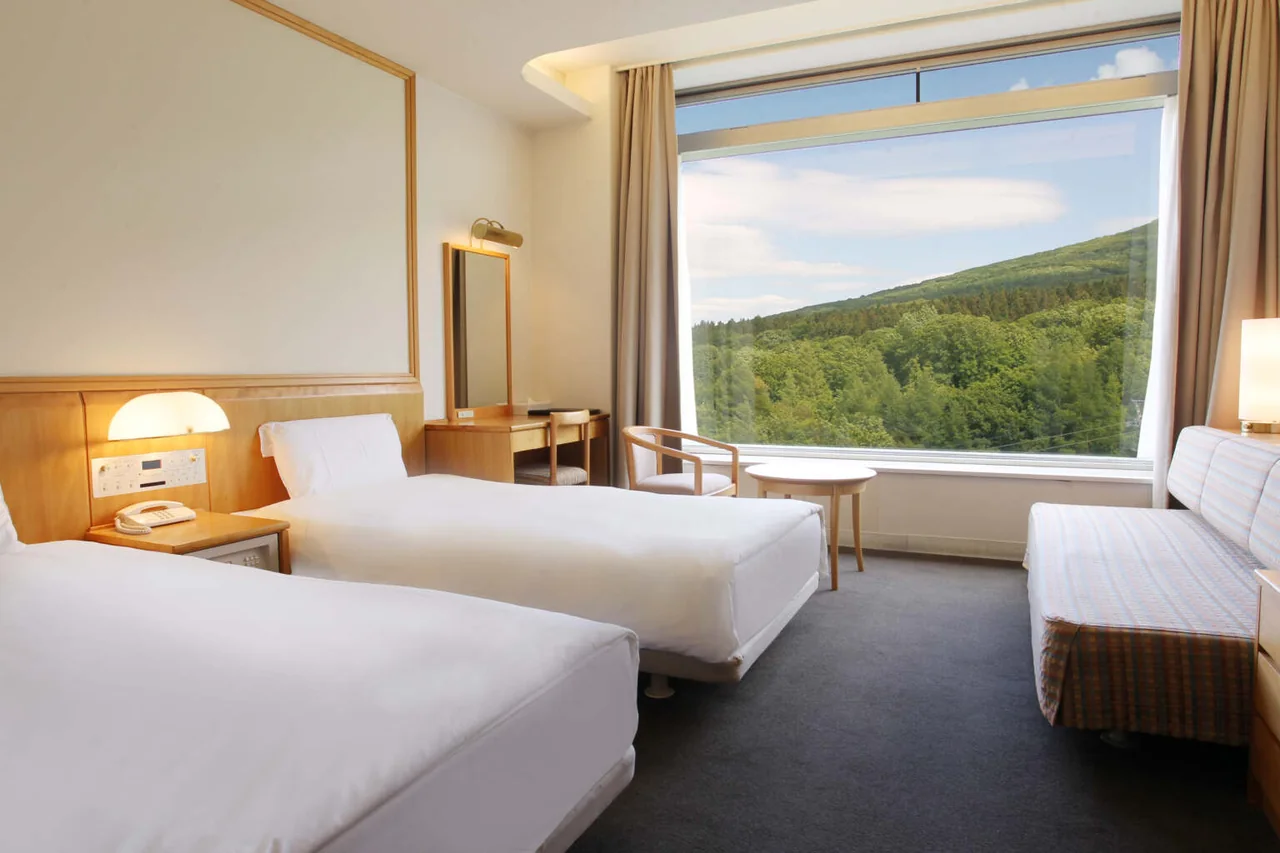
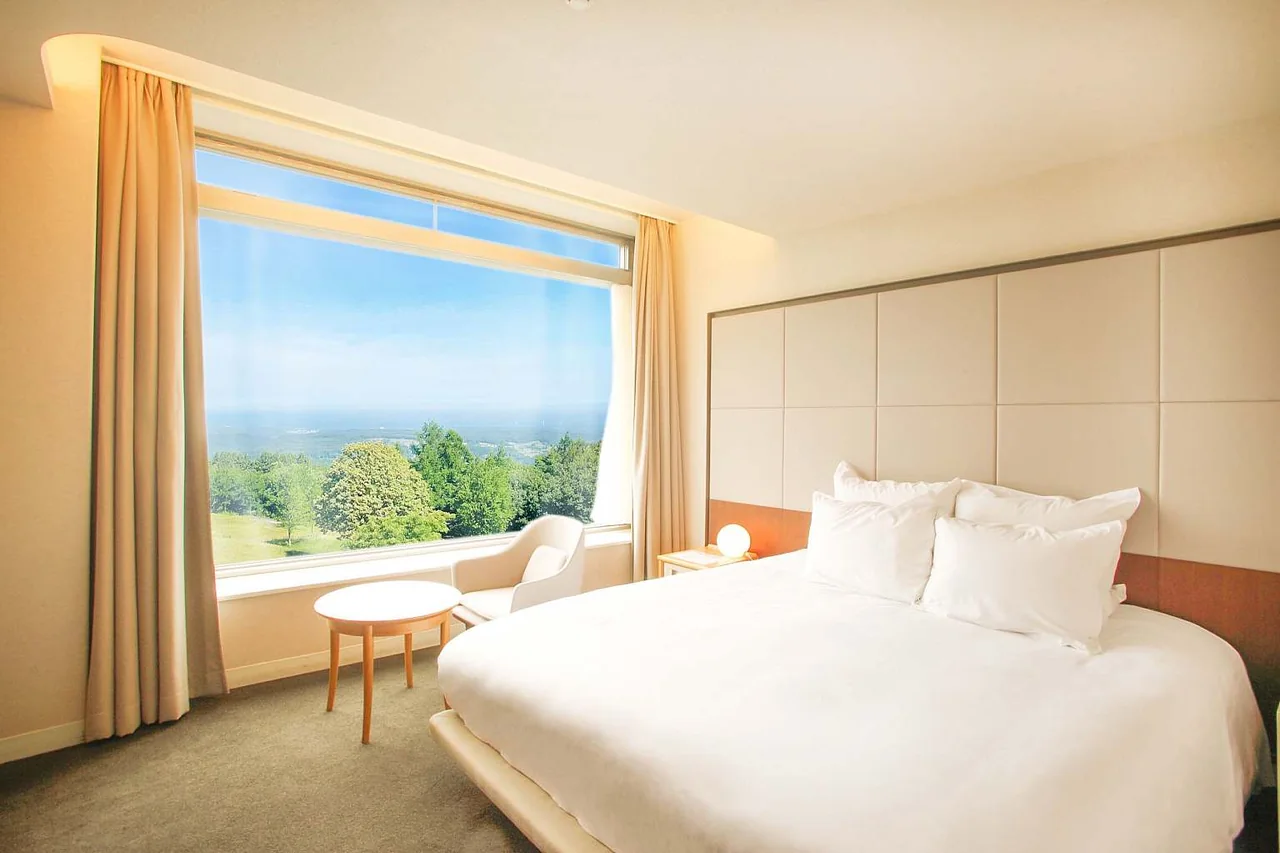
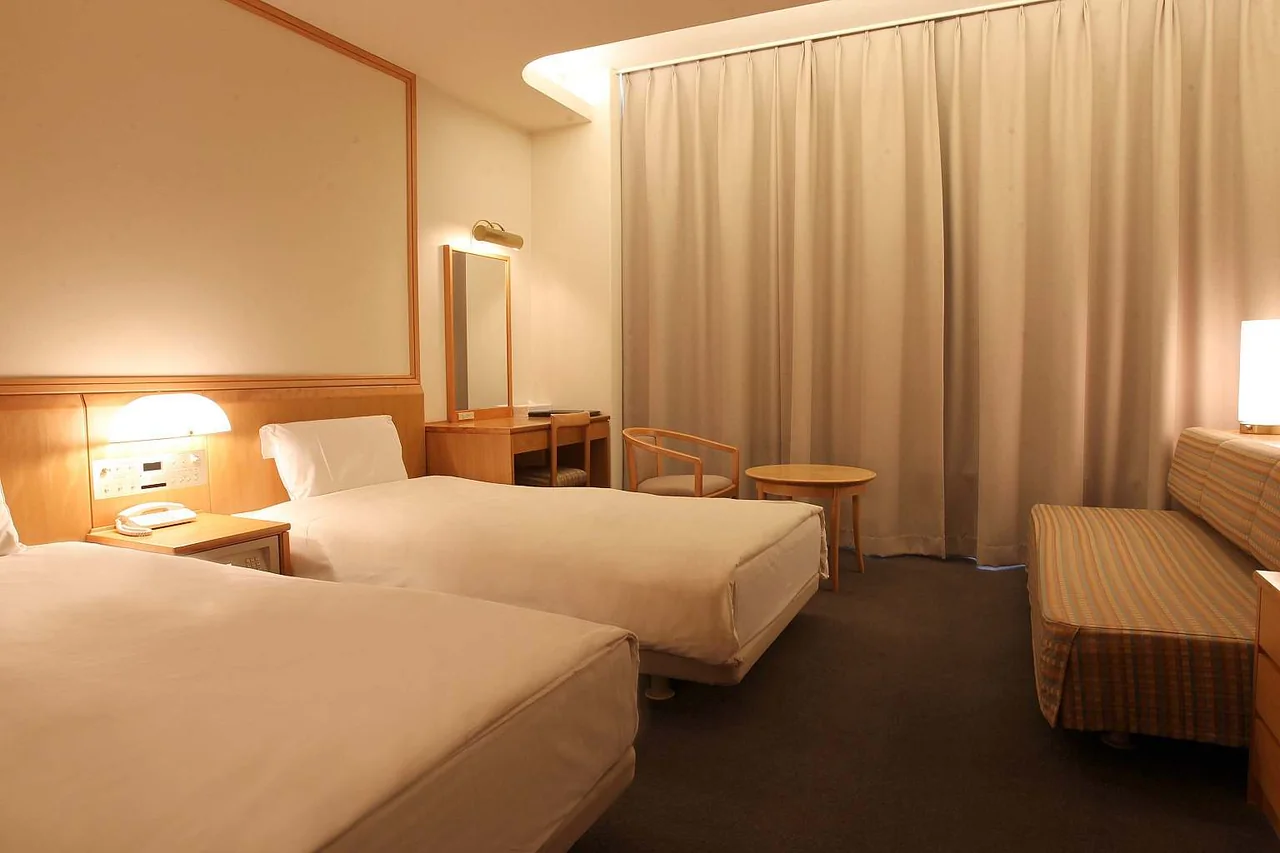
Rockwood lists a 25 m² twin for two or three adults, with a sofa bed for a third sleeper; a 29 m² deluxe king for two; and a 50 m² executive suite for two or three. The room page's suite description refers to a spacious living room and a king bed, but the third guest's exact sleeping arrangement still needs checking on the final rate. A party of three should not infer from “capacity three” that there are three permanent beds. A couple with large ski bags may value the king room's extra floor area; a family may prefer the twin's separate beds even if the room is smaller.
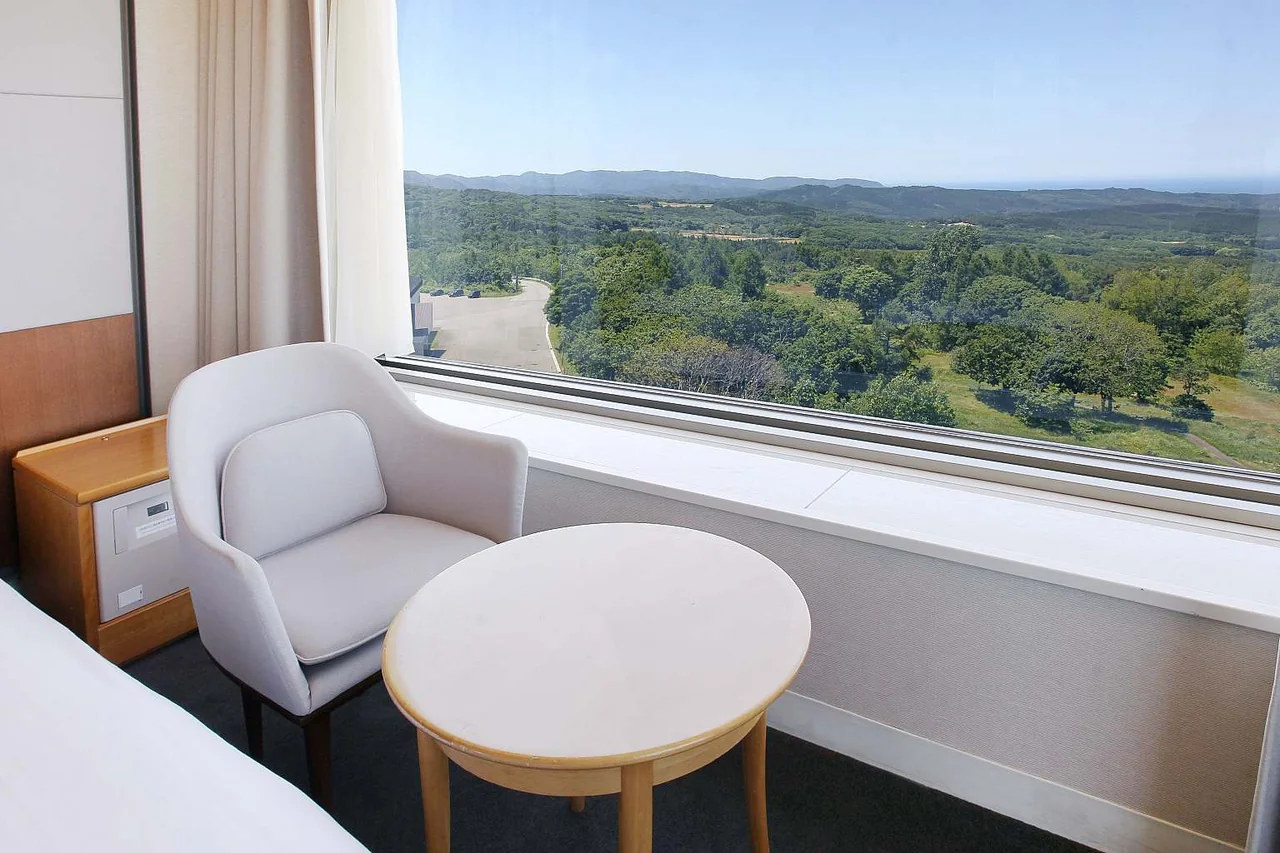
All rooms are described as non-smoking. A view can face Mount Iwaki or toward the Sea of Japan, but a broad hotel description should not be read as a guaranteed view in the cheapest room. If the view is worth an upgrade, select and retain the actual view category on the booking confirmation. The suite's 50 m² matters most for a party spending afternoons inside, not for two experienced skiers who leave early and return only for dinner. The Niseko family group-room guide uses the same bed-and-luggage checklist, but apartment kitchen assumptions should not be copied to Rockwood's rooms.
Check child pricing separately from a room's maximum adult capacity. The hotel says infants sharing an existing bed can stay without an additional room charge, while meals for children aged four to six have their own buffet prices. A free bed-sharing rule therefore does not make the whole holiday free for that child. A family should price the room, meals, lift access, lessons and rental with the child's exact age entered. If you need a cot, extra bedding or an early dinner, ask before payment; the room category alone does not confirm all of those services.
The dining clock limits a late-arrival night
Rockwood Hall currently lists breakfast from 07:30 to 09:30 and dinner from 17:30 to 20:30. The posted arrival range is 15:00–19:00, with checkout at 11:00. These times make a 19:00 check-in after a delayed train or shuttle a different product from a mid-afternoon arrival. A guest reaching the property near the end of dinner may need advance arrangements rather than assuming the buffet will remain open because a room is confirmed. If dinner is included, clarify the latest arrival and meal handling when booking the transfer.
The hotel and resort have several restaurant names on their pages, but some are daytime slope outlets or seasonal. A room plan is not permission to eat at all of them for free. For a two-night stay, I would compare a half-board rate with a room-only rate by adding the meals I would realistically buy on site. Leaving the mountain for dinner incurs a road movement that may be neither convenient nor cheap. A family with young children may find the buffet schedule helpful, while a couple seeking a long restaurant evening should check what is actually open on their dates.
The onsen is another advantage that has to fit into the daily clock. A skier can return, bathe and have dinner without a city transfer. A guest who arrives too late to use it and leaves early has less reason to pay the mountain-hotel premium. If bathing etiquette is new, the practical onsen guide will help; check Rockwood's own hours, access and any restrictions for the reserved dates. The Aomoriya worth-it decision is a useful contrast: that hotel packages more evening entertainment into a shorter one-night stay, whereas Rockwood's strongest value is a full ski morning.
Should a non-skier stay here?
A non-skier who wants a quiet snow setting, views, a bath and shared dinners may be happy at Rockwood. Someone who expects Aomori city museums, shopping and independent restaurant choice each day may feel stranded without a car. Before booking for a mixed group, write a plan for the non-skier from breakfast to the skiers' return. Which facilities are open in the day? Can the person use the bath at the desired hour? Would a taxi be required for every excursion? The answers may make a city base more rational, even if the skiers have a longer morning.
If your Aomori trip is built around Hoshino resorts or Oirase Gorge rather than skiing, do not let Rockwood's mountain photographs redirect it. The which-Hoshino-resort-in-Aomori guide is a separate comparison of culture and gorge stays. The Aomoriya–Oirase best-order guide is about a different transfer corridor. The one-night versus two-night Oirase decision shows why a destination hotel's value often requires protected edge-of-day hours. Rockwood demands the same accounting, but for lift operation and the ski morning rather than a forest walk. Combining them can work only after the inter-hotel road journey is made explicit. If Lake Towada is the next stop, use the Towada–Oirase two-day route to see how much travel the change adds; its seasonal activities must be checked for winter.
Families with a child who will take one lesson but spend the afternoon inside should ask whether the on-site lesson level, rental size and indoor room plan work together. A child-friendly resort label does not supply supervision. If both adults intend to ski full days, book instruction or childcare that actually covers the hours. A 25 m² twin with a sofa bed can accommodate a third sleeper, but it may not be a comfortable indoor play area for an entire day. In that case, room category matters as much as the slope position.
A total-cost comparison worth making
Pick two candidate plans: Rockwood for two or three nights with Aomori Spring ski days, and a Hirosaki or Aomori city hotel with a road transfer on those same days. On the Rockwood side, add the one-off arrival and departure taxi or reserved tour-shuttle fares, lift passes not included in the room plan, rentals, lessons and meals. On the city side, add the daily round-trip mountain transfer, time lost each morning and the possibility of a missed or weather-affected departure. Price both with identical skier numbers and usable ski days.
The Rockwood plan often becomes stronger as ski days accumulate because the long transfer is paid once on arrival and once on departure. For one ski day, the initial transfer may overwhelm the advantage of being on the slope. That is an inference about travel structure, not a claim that one hotel's live price is always lower. Check the dates, fare and room package. If the 2026–27 lift timetable or bus price is still unavailable when you book, keep that uncertainty visible and consider a flexible rate.
I would book Rockwood when the group has at least one full Aomori Spring day to protect, a workable advance transfer, and an evening plan that uses the hotel. I would stay in a city base when skiing is incidental, the non-skier needs independent transport, or the arrival makes dinner and onsen hours impractical. Before payment, confirm the chosen taxi or Liner seat, the current road approach, exact child and meal charges, and whether your room rate includes lift access. The hotel's mountain location can be excellent; its value begins only after the route to the mountain is solved.
Updated 3 October 2026. Check seasonal shuttle seats, road closures, lift access and room conditions before confirming the stay.