
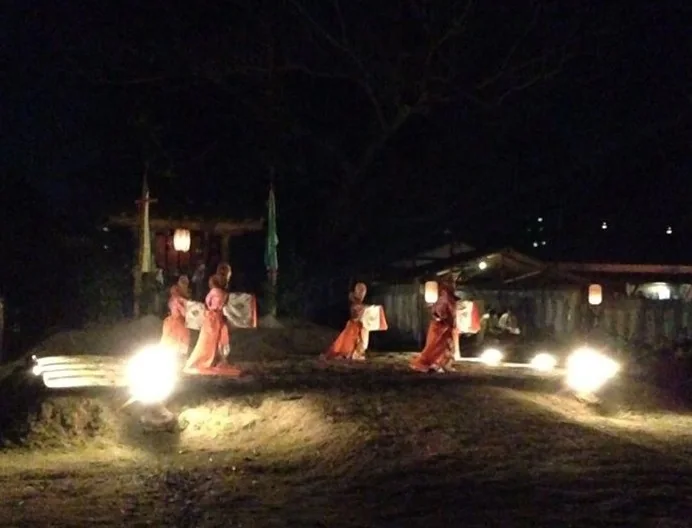
The most recognisable public procession at Kasuga Wakamiya Onmatsuri takes place on 17 December, but the festival is not one midday parade followed by an immediate end. The shrine's annual programme runs from 15 to 18 December. On the 17th, the Owatari procession is listed from noon and the Otabisho ceremony and performances begin later in the afternoon; the shrine describes observances that continue into the night. That range changes the hotel question. A traveller who wants the procession only may return to Osaka comfortably. Someone who intends to remain for the later ritual and performances should examine a Nara room before assuming the same day-trip schedule will work.
Nara Hotel is a real property near the historic district and a useful named search for a local stay. Its setting is different from a room immediately beside Kintetsu Nara Station, so compare the actual route to the festival and the morning train. A hotel in Osaka can still be right for a wider Kansai trip. The Nara day trip versus overnight guide covers the general decision; the Onmatsuri programme creates a much sharper split between daytime and late-night interests.
Swipe through earlier event photographs
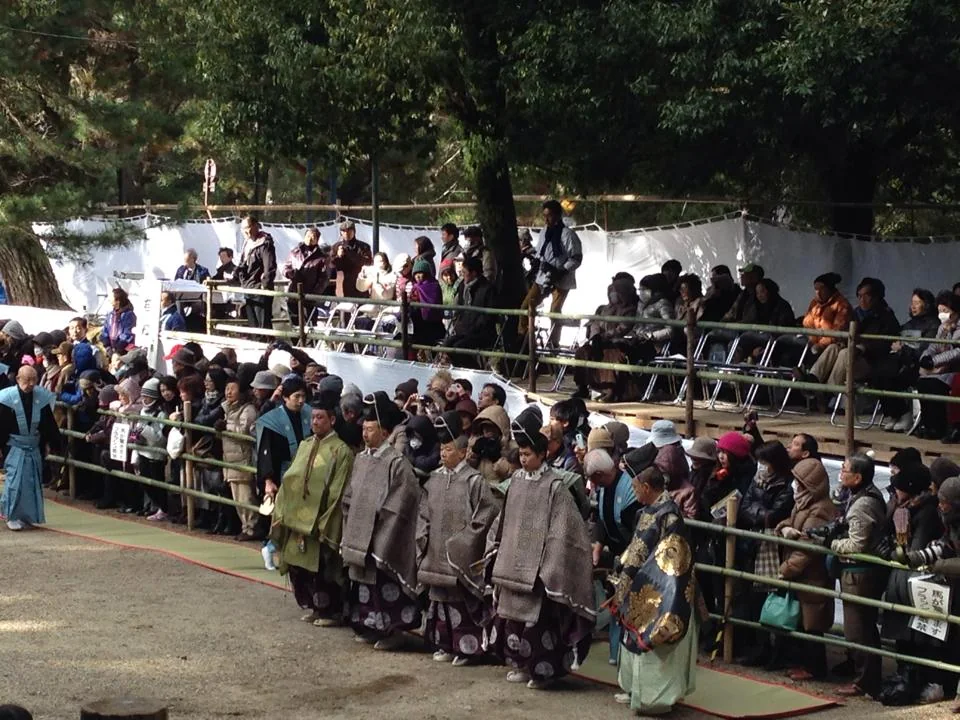
Decide whether you mean the procession or the whole observance
The official Nara travel listing describes the annual 15–18 December festival and identifies 17 December as the main parade day. The shrine's event programme lists the procession from noon and the Otabisho observance from about 14:30 in its recurring schedule. Those are the primary sources for the ritual structure. A dedicated 2026 crowd map or operational change may appear later; check the shrine's current notice before planning a precise viewing point or late train.
The most sensitive part of the festival is not a tourist spectacle to be filmed at will. The shrine says the midnight transfer rite takes place in darkness and prohibits lights and photography along its route. Follow the shrine's instructions. If a late religious observance interests you, a Nara overnight is about respecting the schedule and moving carefully, not about hunting a dramatic night photograph. The two older licensed gallery images show the festival setting, not a promise that a visitor may stand or photograph anywhere in 2026.
Many visitors will find the public procession sufficient. It passes through central Nara before the later rites and can fit a day trip, provided you reach town early and do not expect to see every part from one corner. The things to do in Nara day-trip guide helps prevent the rest of the day becoming an overpacked list. If you also want a long museum visit, a full park walk and an unhurried meal, the festival may need a second day or a shorter attraction list.
| What you intend to see | Time pressure | Accommodation implication |
|---|---|---|
| Public procession around midday | Arrive before your chosen viewing window | Osaka or Kyoto base can work with an early train |
| Procession plus Otabisho ceremony | Longer afternoon and evening in Nara | Compare a Nara room with the actual return train |
| Late observances and performances | Possible very late finish | Local room is the safer starting point |
| A brief festival stop within a sightseeing day | Accept a partial view | Keep the hotel that supports the wider trip |
The table is not a timetable for every participant or a guarantee of a particular performance. It identifies which kind of visit creates a night-transport problem. The Nara from Kyoto or Osaka comparison helps with ordinary rail geography; check the 17 December return against the part of Onmatsuri you actually want to watch.
A Nara overnight gives the festival its own day
Staying in Nara means you can begin the 17th without a crowded morning intercity trip, take a break before the later observances and walk back after you choose to leave. That matters if you want more than the procession or are travelling with someone who moves slowly. Nara Hotel is a named option with a historic setting; use its official access information to check the route, then compare it with properties closer to Kintetsu Nara. “Nara hotel” is a category, not a guarantee of a short walk from the festival.
The best local night may be 16 December, 17 December or both. A room on the 16th protects the morning arrival for the procession. A room on the 17th protects the late exit. Two nights protect both but cost more. Decide which part of the festival creates the harder deadline. If you arrive from Kyoto by midmorning on the 17th and plan to stay late, one night on the 17th may be enough. If you only want the noon procession and leave after lunch, no extra Nara room may be needed.
Check the room's practical features. Can you leave bags before check-in and collect them after checkout? Does the property have a restaurant or nearby food option that fits the ritual schedule? A package breakfast is of little value if you plan to leave before service, while a late checkout may be useful after a night that ends well after dinner. These are property-specific details to verify, not general claims about Nara hotels. The Nara autumn leaves day-trip guide describes a different season; its walking geography can help, but December daylight and festival access are not identical.
Staying near Kintetsu Nara Station makes the morning rail departure easier. Staying closer to Nara Park or the shrine can reduce the late walk from the ceremonial area. Nara Hotel illustrates the latter kind of trade. Do not choose solely on a map's straight-line distance: check paths, gates, lighting and whether the route is appropriate after a cold evening. The Nara Toka-e arrival guide concerns an August light event but usefully shows how event timing can make the same hotel area feel different at night; none of its seasonal timings apply here.
Osaka remains sensible for a procession-focused visit
An Osaka hotel can be the rational choice when Nara is one day in a longer Kansai holiday. You avoid another check-in, keep larger room and restaurant choice, and use the same base for other excursions. The Kansai seven-day Osaka-base itinerary and Osaka hotel guide for Kyoto and Kobe day trips explain why that stability is valuable. On 17 December, however, leave for Nara in time to reach the public route before the procession rather than treating it as an ordinary late-morning day trip.
The return must match your chosen endpoint. If you plan to leave after the procession, check the station walk and train and continue your Osaka evening. If you hope to remain through performances, look up the late Kintetsu or JR service for that Thursday and the final local leg to your Osaka hotel. Do not write “trains run frequently” in the itinerary without a date and time. A hotel in Namba has a different return than one in Umeda. The Namba versus Umeda guide helps make the district choice explicit.
The room rate difference may be modest or large on your dates. Compare the full Osaka booking with a Nara night including the cost of moving bags and checking in twice. A cheap additional room is not useful if you lose half the 17th on transfer chores. Conversely, paying a large premium for a Nara room is hard to justify if you intend to see only the noon parade and leave by midafternoon. The Osaka long-stay hotel guide is relevant if moving out of a good multi-night room would be especially disruptive.
| Base | Best fit | Hidden cost |
|---|---|---|
| Nara near festival district | Later observances and a slow morning | More limited room inventory; route to station next day |
| Kintetsu Nara station area | Overnight plus easy rail departure | Longer walk to some shrine locations |
| Osaka Namba | Procession as a day trip | Return deadline if you stay late |
| Osaka Umeda | Wider JR-led Kansai itinerary | Extra local leg on some Nara rail routes |
| Kyoto Station | Nara plus an early Kyoto departure | Check the actual line and evening return |
Kyoto can also be the right base if it is already your hotel for several nights. The Kyoto Station hotel choice and Kyoto versus Osaka first-trip comparison help weigh the wider trip. Onmatsuri does not automatically require an Osaka or Nara booking; it requires the right return journey for the part of the festival you will see.
The 17 December day needs fewer unrelated stops
Build the morning around arrival and orientation. Find the official route or observation guidance for 2026, choose a permitted place and allow time for crowds. The procession is not a theatre performance with assigned seats for every spectator. If you move between spots, do so without blocking participants or other visitors. The annual shrine programme gives a sequence, but it does not guarantee your chosen corner will have a clear view at a particular minute.
After the public procession, decide whether to continue to the Otabisho area or take a break. The ceremony and performing arts have their own religious context and can extend into the evening. A local hotel makes a rest possible, but only if its door is actually reachable from where you are and check-in is available. Verify those details before the day. A traveller with children may do better with the procession and a meal rather than promising a late ritual they cannot comfortably attend. The Osaka seven-day family itinerary helps keep the surrounding days lighter.
Nara Park is not a small foyer around the shrine. Walks between a station, the park, the procession route and a hotel add up. December also brings an earlier sunset and colder standing conditions than a spring day trip. Wear warm layers and shoes suitable for paths; carry a small bag rather than a suitcase. If someone needs step-free access, contact the shrine and hotel for current information about the specific ceremonial area. A map's shortest route may include uneven surfaces or a gate that is not available for the event.
Do not treat the festival as a reason to feed or chase the deer at night. Follow park rules and give wildlife and worshippers space. The Nara Kingyo Museum guide and Nara Ikimono Museum guide can provide separate indoor activities for a family, subject to their actual hours; they are not places to squeeze into the final hour before the procession.
The following morning decides whether two nights are worthwhile
If you stay on 17 December, the 18th can be a Nara sightseeing day. You may visit sites you intentionally left out during the festival and depart later. That makes the hotel location useful twice. If you must catch an early flight or Shinkansen on the 18th, a late Nara night could produce a difficult morning transfer. The Kansai Airport to Osaka guide is a starting point for the airport network, but work out the actual Nara-to-airport route before buying a flight-linked room.
A one-night Nara stay is strongest when it protects the part of the festival you value and allows a reasonable next day. A two-night stay is worthwhile when you want both the noon procession and the later observances without arriving or departing under pressure. For a procession-only visitor, the existing Osaka or Kyoto base will often be sufficient. These are different trips even though every traveller might search for “Onmatsuri hotel”.
There is also a middle pattern: stay in Osaka on the 16th, arrive early on the 17th with only a day bag, and book Nara for the night of the 17th. It protects the late observance without paying for two Nara nights, but only if your luggage can be moved conveniently and the Osaka room is not prepaid for the same night. Price the overlapping rooms before assuming the split saves money. If the group has several bags, the transfer may absorb the time you meant to spend at the festival. A single Nara room from the 16th can be the calmer choice even when its nightly rate is higher.
If you choose that split, confirm the Nara hotel's bag policy and the earliest check-in before the festival day. A noon procession leaves little room for an avoidable reception detour. Either leave bags at a verified hotel storage desk or travel light enough to keep them off the crowded route. The detail seems small when comparing room prices in advance, but it decides whether the extra Nara night actually gives you more time with the festival.
Reserve for the portion you intend to witness
Start with the shrine's annual 15–18 December programme and identify your intended exit on the 17th. Search a Nara room, including Nara Hotel if its route suits you, when late observances are central or you want an unhurried morning. Keep an Osaka hotel when you are satisfied with the daytime procession and the wider trip benefits from one base. Check the final 2026 route, access instructions and exact trains before your cancellation deadline.
The schedule is a religious programme that deserves accurate language and respectful conduct. The accommodation choice is simpler: a local room removes a late rail deadline, while an Osaka room reduces hotel changes. Choose which constraint is real for your own visit, rather than paying for a night you will not use or promising yourself a late ceremony from a distant station.
The shrine's annual schedule includes rites beyond the public procession, and each has its own setting and rules. If you are unfamiliar with the festival, start with one part that you can attend attentively. A hurried circuit of several locations may yield less understanding and create unnecessary pressure on the late train. A local room is most useful when it gives you time to follow the actual sequence at the pace the shrine requests.