

The choice between Yu Kiroro and Club Med Kiroro Grand is less about which building is closer to snow than about which parts of a family day you want to organise yourself. Yu Kiroro sells apartment-like suites with a living area and kitchen; selected categories have separate bedrooms, multiple bathrooms and laundry. Club Med Grand sells an all-inclusive resort stay built around meals, activities and organised children's time. Neither promise can be reduced to the word “family-friendly.” One family saves money by preparing breakfasts and allowing different bedtimes in a two-bedroom suite. Another would pay more to avoid shopping, cooking and coordinating meals during four precious ski days. Work out the real programme before looking for a lowest nightly rate.
JapanLayer hotel assessment by dimension
| Hotel | Dimension | JapanLayer score |
|---|---|---|
| Yu Kiroro | Access | |
| Yu Kiroro | Cleanliness | |
| Yu Kiroro | Service | |
| Club Med Kiroro Grand | Access | |
| Club Med Kiroro Grand | Cleanliness | |
| Club Med Kiroro Grand | Service |
Swipe to compare the hotel rooms
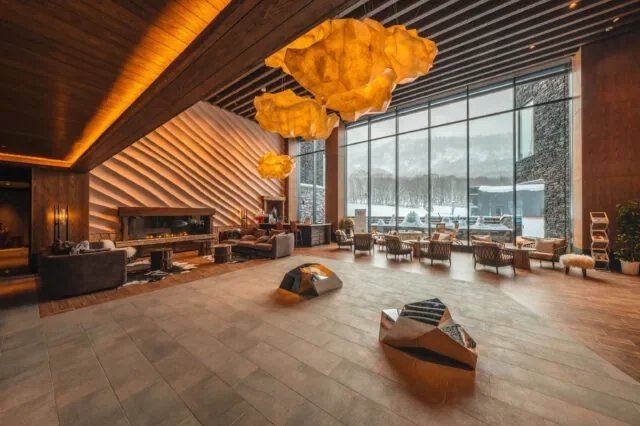
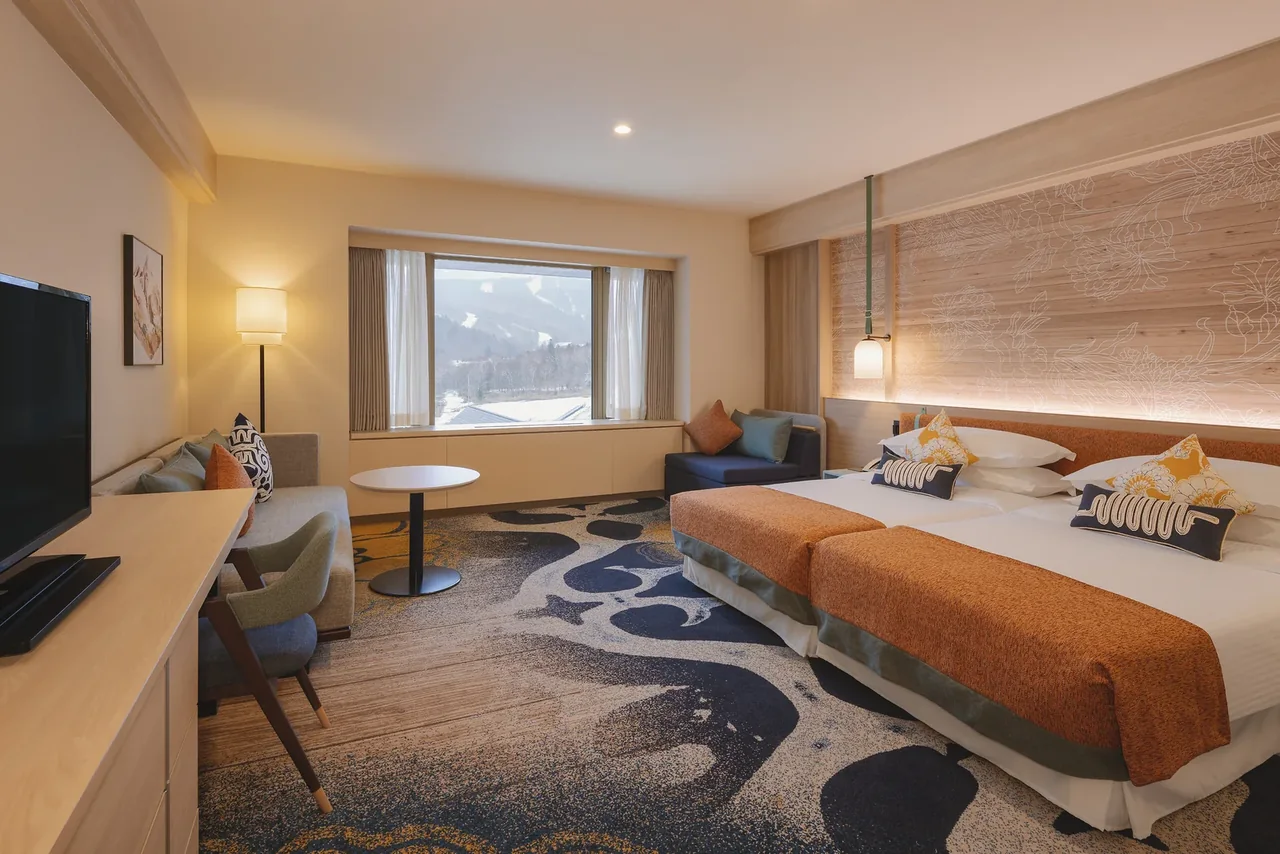
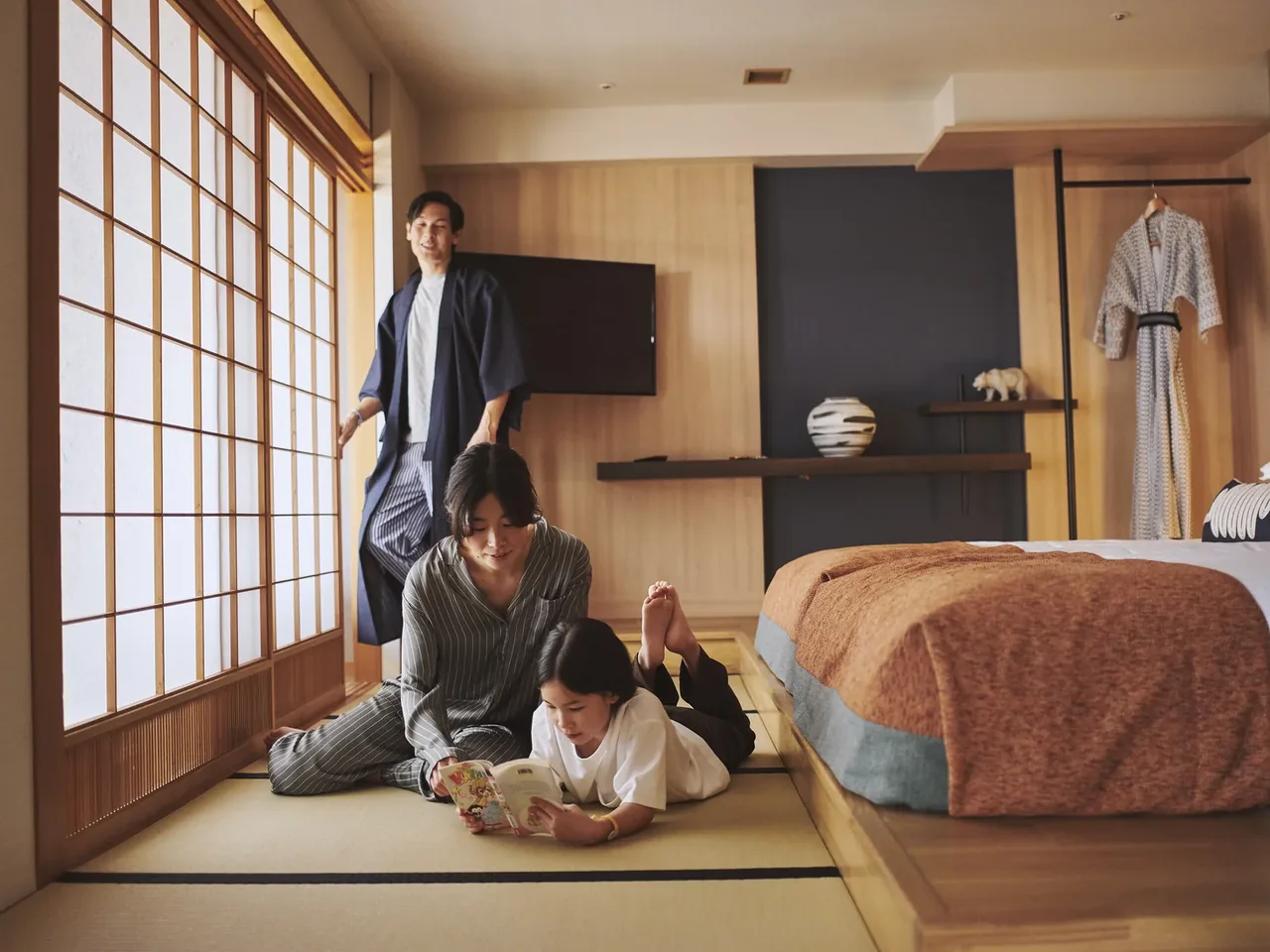
The first filter is whether Kiroro itself fits the holiday. A family with independent skiers, non-skiers and a strong preference for one base may enjoy its concentrated mountain setting. A party that wants restaurant variety and evenings on foot may find a different base more flexible. Compare the Niseko and Rusutsu group decision and the wider Niseko–Furano–Rusutsu ski-area choice before paying a premium at Kiroro. If skiing is just one day, the calculation may favour Sapporo as the overnight base instead. Those alternatives are not interchangeable with Kiroro; they simply prevent the hotel comparison from answering the wrong question.
Build a four-person cost sheet using what the family will actually use
Choose a representative four-night trip and write four lines before opening booking tabs: room and bedding, meals, lift tickets and lessons, and airport or rail transfer. Add childcare or kids-club costs only for the ages and hours that your children can use. Include groceries and any planned off-property meals on the Yu side; include possible extras to the all-inclusive quote on the Club Med side. Do not assume the two final prices refer to the same number of ski days. Arrival day may be an airport-transfer day, while a ski lesson may start the next morning. A room-night price that covers four calendar nights is not automatically four complete skiing days.
This is where a Niseko ski-trip booking timeline and a lift-pass, rental and lesson breakdown are helpful as accounting methods. They do not supply Kiroro prices. Put each Kiroro line item against your actual package and travel date. A lesson credit is valuable only if it fits the skier's level, age and preferred start time. A lift pass is useful only on the days your party will ride. If one adult spends two afternoons with a toddler, pricing four full adult ski days into both options would make the comparison look precise while being wrong.
The same applies to food. At Yu, a kitchen can reduce reliance on restaurant bookings, but only when someone is willing to buy groceries and prepare meals. At Club Med, a meal plan can give time back, especially after children return hungry from snow school. If a child has a restrictive diet or an adult wants several dinners outside the resort, check the actual menu, times and transport before treating food as a solved problem. The Niseko dining, grocery and self-catering guide helps identify the questions, not the answer for Kiroro's kitchens.
Yu Kiroro is for families whose days do not run on one timetable
Yu Kiroro's rooms are suites rather than ordinary hotel rooms. A 47 m² studio is a different product from the 84 m² two-bedroom suite or the larger two- and three-bedroom layouts. The two-bedroom suite is listed for up to five guests with a full kitchen and two bathrooms; selected deluxe layouts include laundry facilities. A three-bedroom suite is larger again. Bed arrangements still need checking at the exact category level. A two-bedroom label does not tell you which bedroom gets a king bed, which gets twins, or where a child sleeping on an existing bed will be counted. Yu's family terms allow children aged 12 and under to share existing beds without an additional room charge in certain configurations, but meals and amenities are not included in that statement. A free sharing child is not a free ski, meal or transfer place.
The appeal is control over the pauses. A grandparent can rest while two adults ski. A child can eat early and sleep while others sit in the living area. Wet layers can be separated from sleeping space. A kitchen and refrigerator are practical when a toddler's meal schedule does not match a restaurant service. This is a real benefit on a longer stay; it does not mean everyone should book the largest unit. A couple or a family that eats every meal out and never uses laundry may find that it paid for floor area rather than solved a recurring need. The Niseko apartments for families and groups can help you think through bedrooms, kitchens and bathrooms, but compare actual Yu room plans, not generic apartment assumptions.
Yu advertises ski-in/ski-out access, yet a family still has to locate the ski-school meeting point and find out whether each member can use the route. A child in a first lesson may need an adult to escort them to a designated area rather than simply following an advanced skier out of the building. That is the same reason to separate slope access from class access in a ski-in/ski-out hotel checklist. If your party takes different lessons, check the three- versus six-hour private-lesson decision as a way to decide whether splitting the group makes sense, then verify Kiroro's actual lesson products and meeting points. The hotel door does not book an instructor for you.
Club Med Grand makes the resort routine part of the product
Club Med Kiroro Grand is positioned for families, including facilities for children from age two. Its all-inclusive proposition can bundle accommodation, dining and selected snow activities into a single holiday rhythm. The useful question is not “is all-inclusive good?” but “which of these included elements will this family actually use?” A family with two school-age children who will attend lessons and eat most meals at the resort may make full use of the model. A family with an infant and adults who want to explore independently should verify the precise childcare ages, hours, reservations and additional charges rather than reading “kids facilities” as unlimited care. A teenager and a two-year-old may have very different programmes.
Arrival day deserves particular attention. If lessons start the day after arrival under the chosen programme, a late check-in does not create an extra ski session. Compare first-night value using the arrival meal, room access and any activities your family can still use, then count full ski days from the following morning. The same logic applies at departure: the last night may include breakfast but not a leisurely final day if transport leaves early. A family can still prefer Club Med for the convenience, but the comparison should not credit it with unusable lesson hours. Check whether rentals, a particular lesson level, private tuition, premium drinks or an off-property activity appear as add-ons on the exact booking you are about to pay for.
The all-inclusive approach also narrows where the family spends time. That can be a relief if parents are exhausted by transfers, and less attractive to travellers who want to choose a different restaurant every night. If one adult does not ski, list the resort activities they would actually use in four days. The Hokkaido non-ski winter-activity guide can inspire a rest day, but ice fishing or dog sledding elsewhere in Hokkaido is not automatically available at Kiroro or included in this hotel package. Do not use the presence of activities on the island as a promise of activities within the resort.
The last transfer remains yours to arrange
Kiroro is not a hotel you reach by stepping off a JR train. Winter access involves reserved buses, a road transfer from a rail station, a private transfer or a drive. The resort's 2026–27 winter transport page lists an Otaru–Kiroro bus season from 28 November 2026 to 25 April 2027 and a Sapporo service with a shorter window. Club Med guests are directed to their own property access information, which is a warning against copying a general ski-area timetable as a guaranteed hotel shuttle. Yu and Club Med have distinct arrival points. Record which service accepts luggage and snow equipment and which hotel it actually serves. For a return taxi from the mountain, arrange it rather than expecting a line of waiting cars.
Otaru can be a useful staging night when the arrival flight makes a same-day mountain transfer awkward, but it is not a substitute for checking the next morning's bus. The Otaru hotel comparison for winter luggage separates station-side convenience from a canal-side stay. A family with skis should choose the hotel exit and bus boarding point first, then decide whether a prettier last evening justifies carrying equipment farther on icy pavement. The same calculation applies on the return journey if the flight leaves the day after skiing.
A late arrival at New Chitose Airport can consume the first night's value. Decide whether to sleep near the airport or in Sapporo using the late-arrival guide, then price the onward journey to Kiroro. If you are tempted to rent a car only to bridge the final leg, review Hokkaido winter road conditions and closures before deciding that a car is the easy option. A family carrying a stroller and skis also needs to check vehicle capacity, not simply the passenger count. If the holiday includes several cities, a five-, seven- or ten-day winter route can reveal whether a four-night resort stay leaves enough time for the rest of the trip. For a family ending in the city, Sapporo family-room and laundry choices may be a better final-night problem to solve separately.
Which family should book which stay?
The person who will not ski needs a plan as concrete as the skiers' lesson schedule. In a Yu apartment, that adult can use the kitchen and separate living area while a child rests, but groceries, lunch and any trip beyond the building remain the family's responsibility. At Club Med, the resort programme may remove some meal planning, yet a particular child club or care session still depends on the child's age, available places and the terms of the booked package. Put that adult's day beside the children's timetable before comparing totals. If one parent must accompany a younger child and cannot join the advertised group lesson, do not count that lesson as a benefit to both adults. If grandparents join, check whether one Yu suite gives each generation enough privacy or whether two Club Med rooms are needed. Those are materially different quotes even when the first search result shows the same number of guests. Confirm each room's fixed beds, child occupancy and meal eligibility before payment.
For a four-night stay with a five-year-old and a ten-year-old, I would start by confirming lesson eligibility and daily timing. If both children can join programmes that the family wants, adults plan to ski, and everyone will eat most meals on property, Club Med's integrated routine deserves a serious total-price comparison. If one child needs a very different day, a grandparent joins, or meals must happen at irregular times, Yu's separate bedrooms and kitchen become more valuable. If the children are too young or unwilling to join lessons, neither hotel's ski proposition should be priced as though it solves the entire day. Consider the non-skier's schedule first.
↔ Scroll table left or right
| Family pattern | First quote to check | Condition that can reverse it |
|---|---|---|
| Four people, all ski, use group programmes and resort meals | Club Med Grand | The quoted package excludes the lessons or age group you need |
| Mixed ages, different bedtime and meal schedules | Yu Kiroro two-bedroom layout | The exact suite has the wrong beds, or food shopping is impractical for your arrival |
| Three generations sharing one unit | Yu Kiroro two- or three-bedroom plan | The adults prefer separate hotel rooms and full-service meals |
| One adult works or rests while others ski | Yu Kiroro | Club Med offers a better confirmed non-ski programme for that adult |
| Very short, late-arrival trip | Recalculate both before choosing | Too few complete ski days to use either premium |
The table gives a first direction, not a price ranking. To compare quotes, hold fixed the dates, number and ages of children, beds, meals, lift and lesson days, transfer, cancellation and any tax. A “free child” line at Yu must be read alongside meals and amenities. An “all-inclusive” line at Club Med must be read alongside activity exclusions and the first usable lesson day. The cheaper nightly headline may not be the cheaper four-night family holiday.
My booking sequence would be: settle the Kiroro ski days; verify children's programme eligibility; draw each family member's first full day; compare a named Yu suite with a named Club Med room and programme; and only then pay. If the family cannot agree on the routine, the location of the hotel will not resolve it. If the family agrees, the choice often becomes quite clear without an elaborate points score: buy the independence you will use, or buy the coordination you would otherwise have to do yourselves.
Updated 3 October 2026. Confirm the exact child programme, lesson dates, meal inclusion, room beds and transfer before paying.