
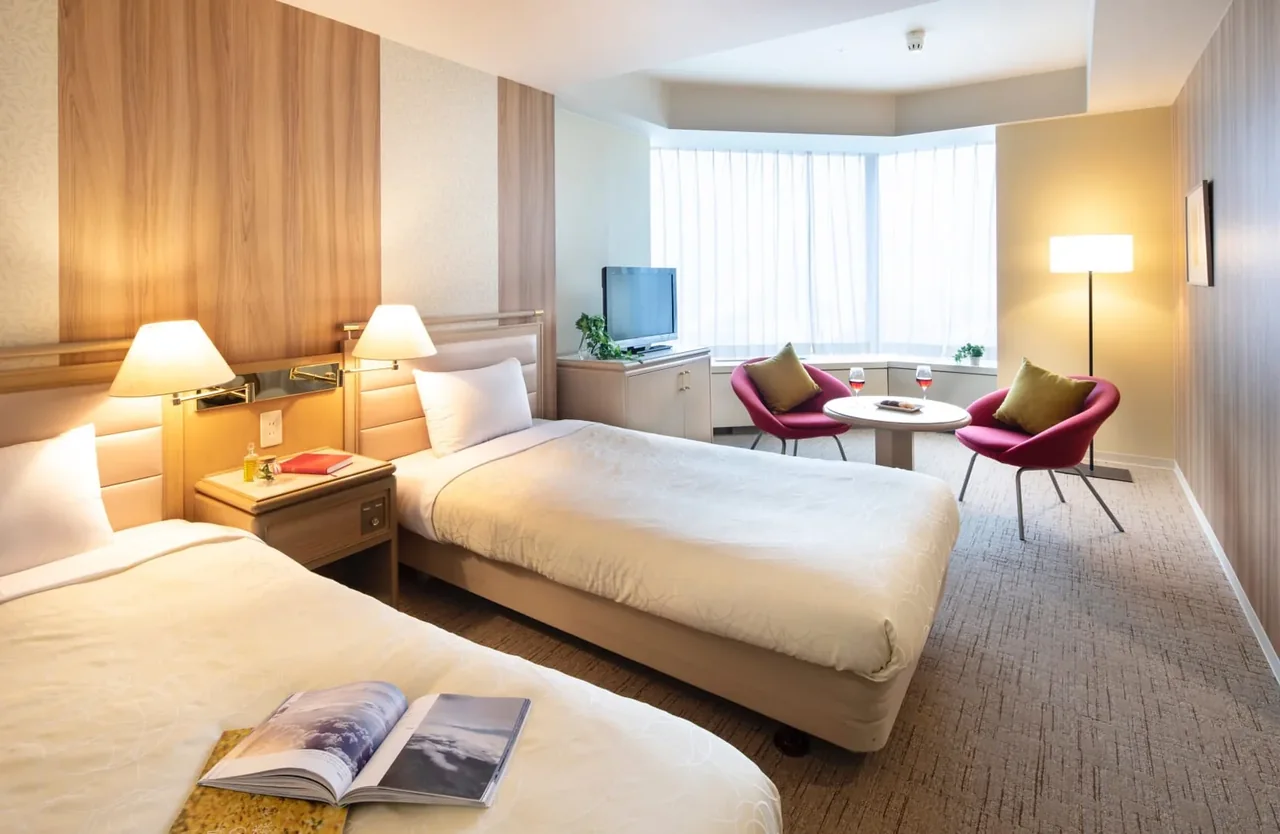
On the resort map, The Tower and RISONARE Tomamu share a destination. On a four-night winter booking, they can produce quite different days. The Tower puts a conventional hotel room close to the resort's central dining and activity hub. RISONARE sells a 100–120 m² suite on the hillside, with a private sauna and a whirlpool bath. The decisive question is not whether a suite is nicer than a smaller room. It is whether your party will use its space and bathing facilities often enough to offset the price and the extra movements to the parts of Tomamu you visit each day.
JapanLayer hotel assessment by dimension
| Hotel | Dimension | JapanLayer score |
|---|---|---|
| Tomamu The Tower | Access | |
| Tomamu The Tower | Cleanliness | |
| Tomamu The Tower | Service | |
| RISONARE Tomamu | Access | |
| RISONARE Tomamu | Cleanliness | |
| RISONARE Tomamu | Service |
Swipe to compare the hotel rooms
Start by fixing the season. The published 2026–27 winter operating window lists The Tower from 1 December 2026 to 5 April 2027 and RISONARE from 1 December to 1 April. At the edges of the season, a side-by-side price search may fail because only one hotel is open. Lift operations, Ice Village and individual restaurants have their own calendars. A bookable room does not guarantee that every snow activity on a summer photograph is running. If Tomamu is one leg of a longer Hokkaido trip, put the hotel dates into the five-, seven- or ten-day winter itinerary before committing to a non-refundable rate.
The room gap is large, but compare the room you can actually reserve
↔ Scroll table left or right
| Booking detail | The Tower | RISONARE Tomamu |
|---|---|---|
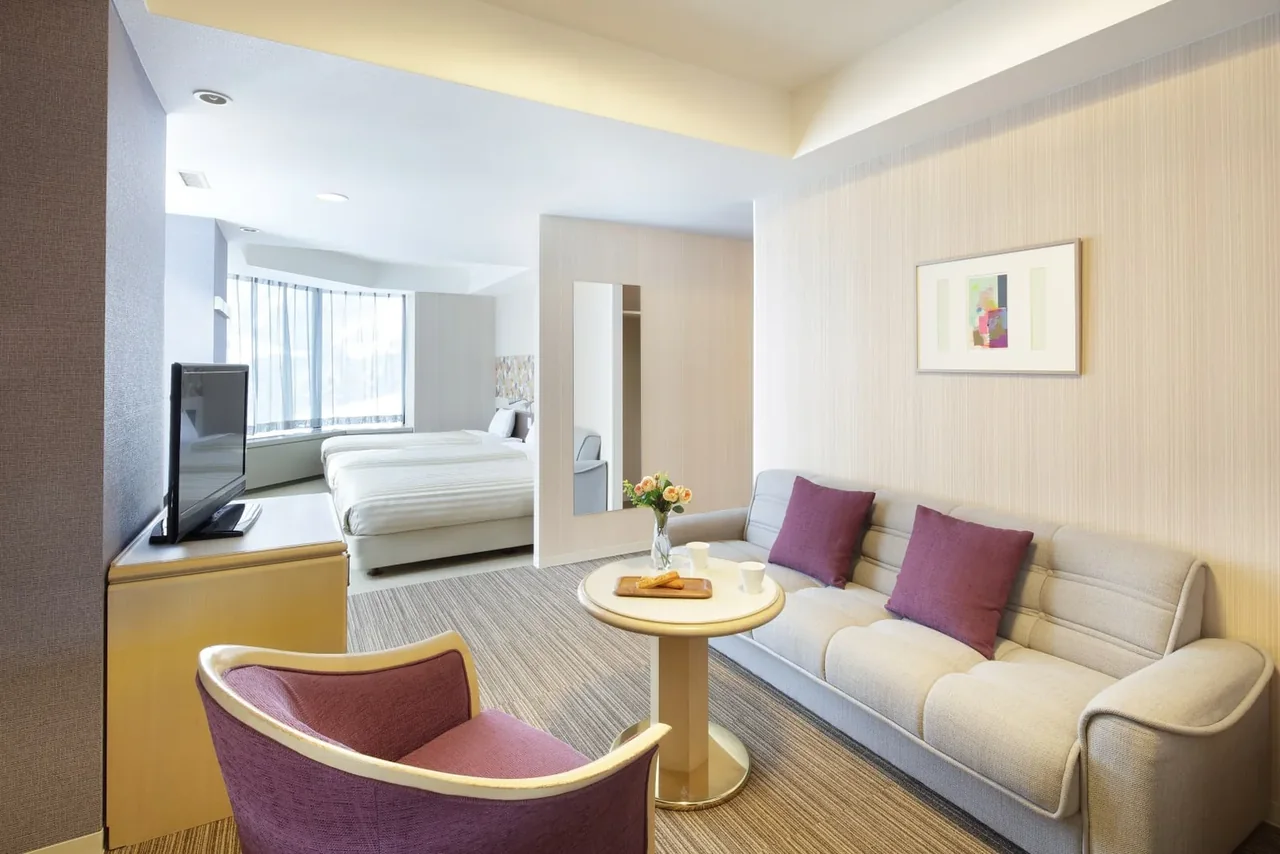
| Published room scale | Standard rooms 24–50 m²; family rooms 32–58 m² | All-suite property; suites 100–120 m² |
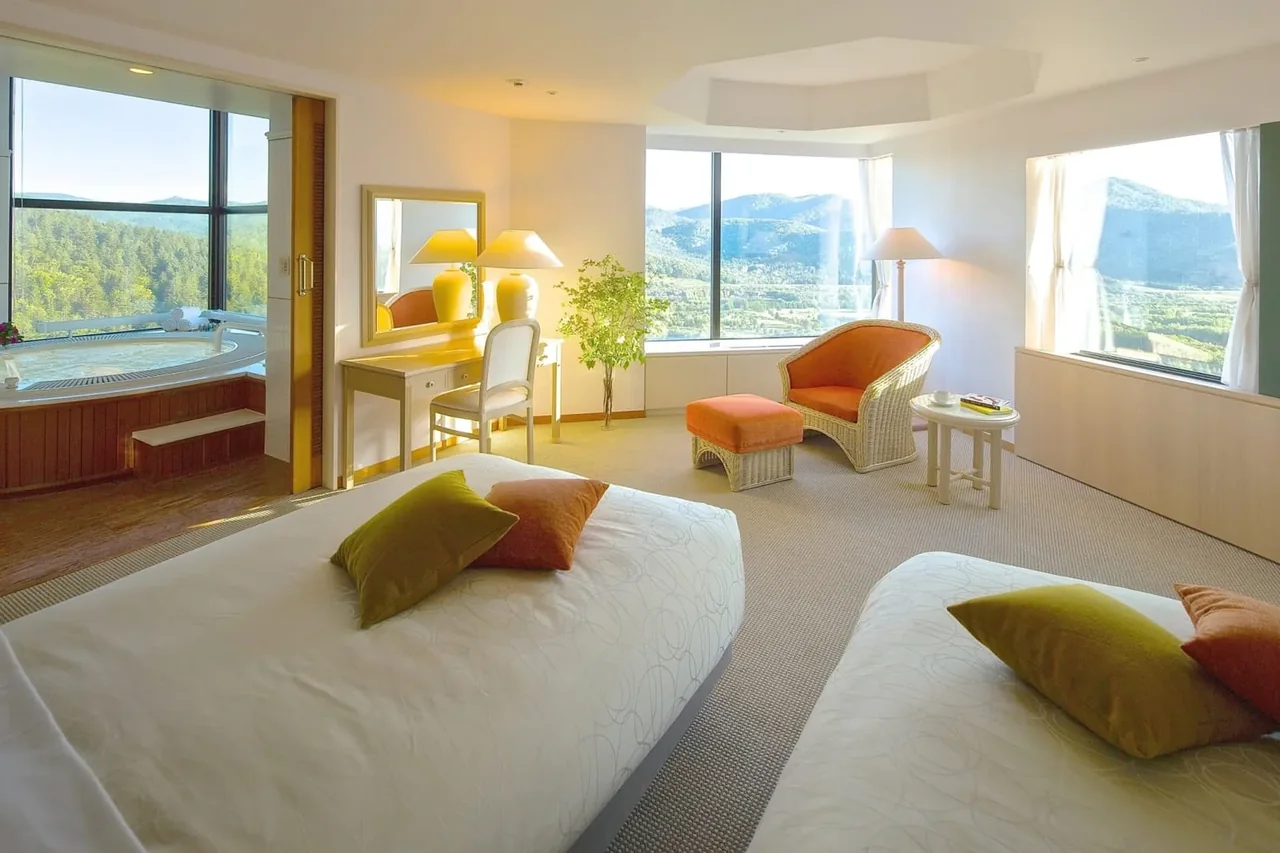
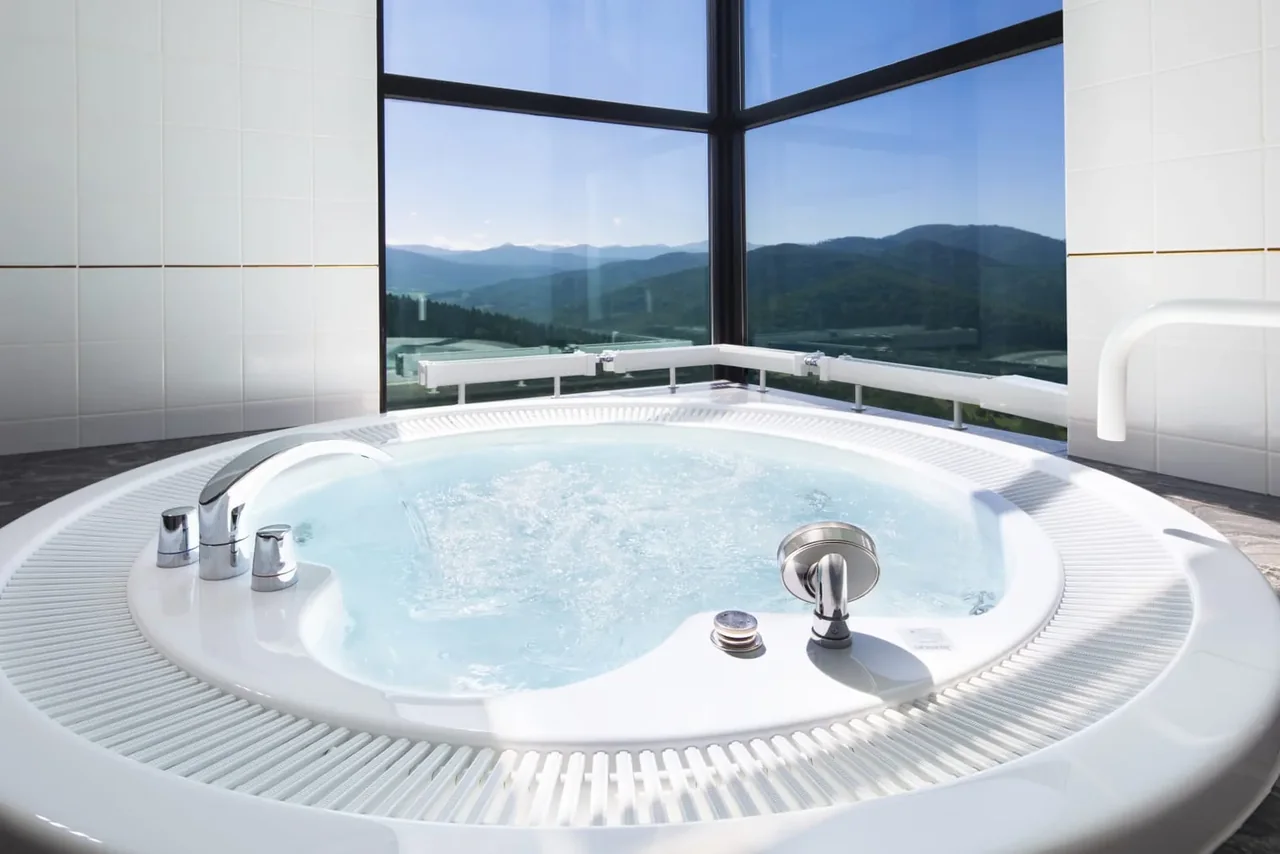
| Room bathing | Conventional bathroom, depending on booked type | Private sauna and whirlpool bath in the suite |
| Location within resort | Central, near hotalu street and GAO | Hillside, with access toward ski terrain |
| JR Tomamu station connection | Free resort shuttle, about five minutes | Free resort shuttle, about ten minutes |
| Published 2026–27 hotel dates | 1 December–5 April | 1 December–1 April |
Those ranges are not a promise that the cheapest Tower rate buys a 50 m² room. The smallest standard room and the largest one differ materially once you add two suitcases, winter coats, rented equipment and a child. Check the square metres and bed plan attached to the exact rate. A family room's lower beds may be safer and easier for young children, but the hotel still has to confirm the occupancy and bedding attached to the ages you enter. The word “family” cannot settle a question about whether four people sleep comfortably in a particular configuration.
RISONARE's 100 m² floor area solves a different problem. An adult can rest in a separate living area while a child sleeps. Ski clothes can dry away from the beds; a non-skier can spend an afternoon in the suite without feeling confined to one chair. That is useful on a stay of several nights with split schedules. It is weaker value if both adults are on the slopes until late, eat out and return just to sleep. In that case, the room premium may purchase a large area you rarely inhabit. The Niseko group apartment comparison offers a useful way to list bedrooms and bathrooms, though Tomamu's resort suites are a different product.
For a two-adult stay, I would compare the cheapest Tower room that meets my actual luggage and bed needs with the RISONARE suite, not the Tower's lowest advertised price. For two adults and two children, I would run the comparison again with the correct child ages and meal plan. If grandparents join, space becomes more valuable but so does the need to check the exact sleeping arrangement. A suite is not automatically two self-contained bedrooms. The final room diagram and occupancy rule matter more than the label.
Draw the daily route before valuing ski-in access
The Tower is near hotalu street and the GAO outdoor activity centre. A family that goes out for breakfast, returns for forgotten gloves, meets for lunch and chooses dinner after checking the weather can repeat the central route several times a day. This is why location matters even when a resort shuttle exists. Removing one extra leg from a single journey is minor; removing it from four movements every day is not. It also helps a mixed group whose non-skiers want restaurants or indoor activities without organising every outing around the skiers.
RISONARE is up the hillside and has ski access to suitable terrain. A confident skier who can use the connecting run may see a real advantage. A beginner, a child in a lesson or somebody collecting rentals has to locate the actual class meeting point and equipment counter first. “Ski-in/ski-out” on a room page does not mean the ski school starts outside your suite, nor that a novice can use the route in either direction. Mark your first lesson meeting place and your likely lunch stop on the winter resort map. The Tomamu lesson-length guide helps with lesson timing; pair it with the current meeting instructions sent for your booking.
The same resort facilities do not become equal walking distances from both hotels. Mina-Mina Beach, public bathing, restaurants and snow activities are spread across the property. RISONARE's private sauna is appealing precisely because it gives the suite its own after-ski routine. If you plan to use the larger pool every afternoon, you still need the route there. At The Tower, being close to one cluster does not place every activity next door either. Read the actual opening hours and seasonal map instead of letting “same resort” stand in for an itinerary.
If you are comparing Tomamu with a different ski base rather than choosing a building, stop here and revisit the broader choice. The Niseko–Furano–Rusutsu comparison shows why a resort's evening life and transfer pattern can outweigh one hotel's features. The Furano versus Niseko base guide is particularly relevant when one traveller expects a walkable town. Tomamu's concentrated resort format is an advantage for some families and a restriction for a group that wants independent restaurant choice each night.
Arrival by rail is not the same as arrival at the front desk
JR Tomamu is served by a free resort shuttle. The Tower lists about five minutes from station to hotel and says the inbound connection does not need advance booking. For the return to the station, ask the front desk after check-in to reserve the shuttle; capacity can affect which vehicle you take. RISONARE lists about ten minutes from the station. Build these legs into the train plan, particularly with skis, a pushchair or a traveller who needs more time to move between platforms and vehicles. The minute estimates describe vehicle travel, not the entire transition from train door to room key.
From New Chitose Airport, the journey by rail typically involves a change at Minami-Chitose. A published around-90-minute reference is useful for broad planning but does not include border control, baggage reclaim, waiting for the next train, the station shuttle or check-in. If your flight arrives late, check the last practical connection before paying for a Tomamu night. The late-arrival New Chitose decision may lead to a simpler first night at the airport, Chitose or Sapporo. The airport terminal hotel guide is a separate option for a genuinely late landing, not a substitute for a resort stay.
Driving offers schedule control, but the winter route still demands a realistic weather margin. Tomamu is not a reason to assume the mountain road will match a summer navigation estimate. If the car would sit unused at the resort for four nights, calculate its full cost before deciding that it is easier than rail and shuttle. The Hokkaido winter driving guide covers the risk questions, while the full versus partial rental comparison helps decide whether a short rental belongs only on the intercity leg. For a trip without a car, the seven-day winter rail itinerary is a reminder to budget for every last-mile connection, not merely the long-distance train.
Do not borrow a bus timetable from a different season. Tomamu's access information may display separate green-season and winter services. A bus that appears to connect conveniently on an older page is not proof of a seat on your 2026–27 travel date. Check the operator, pickup point, baggage allowance and booking cut-off for the service you will actually use. This is especially important for a flight-to-resort day, when a missed departure can consume the first hotel evening.
What changes when only two people ski?
Suppose four people share three nights, but only two ski. A resort comparison built solely around “ski access” assigns the same value to all four people, which is false. The non-skiers may spend the morning at an indoor attraction, walk to a café or stay in the room. If they expect long room hours and a private bathing routine, RISONARE's suite can carry much of its premium even while the skiers are away. If they intend to move around the resort each day, The Tower's central starting point could be more valuable.
The Hokkaido winter activities without skiing is helpful for building a genuine non-skier day. It should not be mistaken for a list of facilities guaranteed at Tomamu on every date. The schedule of Ice Village, for example, is weather and construction dependent; the published 2026–27 window is tentative. A family booking specifically for the ice structures should keep cancellation flexibility until the operating details for its nights are clear. A non-skier who plans to read, use the sauna and have a quiet afternoon has a much less weather-dependent reason to choose RISONARE.
For young children, the difference may be bedtime rather than skiing. At RISONARE, the large suite can let an adult stay awake while a child sleeps in another part of the room. At The Tower, a suitable family room may still work, but you have to check the layout rather than assume the family name supplies separation. Children also change the meaning of distance. A shuttle ride that seems trivial with two adults can become more work when repeated with a tired child, gloves, snacks and a stroller. The Sapporo family hotel comparison is useful when deciding whether the Hokkaido trip should use one resort base or include a city night with simpler logistics.
Compare total cost by usable days, not by the room-night banner
Take the same dates, occupancy and cancellation rule for both hotels. Add breakfast if the two displayed prices treat it differently. Then add the correct number of lift-ticket days and lessons. Tomamu markets winter packages with lift tickets, but a package's ticket validity may finish before check-out day. Do not count four nights as four unrestricted ski days. Arrival and departure may each be half a day or no ski day at all. A family paying for lessons should verify the specific lesson start point, rental pickup and equipment collection time before treating a ticket package as complete.
Write the premium as a total for the stay, not merely a nightly increment. A modest-looking per-night difference becomes material across four or five nights. Ask what else the difference would buy: an extra resort night, private lessons, a less rushed airport transfer, or a room configuration that truly solves a family problem. The Niseko lift, rental and lesson cost guide supplies an accounting method, not Tomamu prices. The Niseko booking timeline similarly explains why lesson capacity and room choice should be coordinated, though its resort-specific figures cannot be copied into a Tomamu budget.
Cancellation has value in a short snow trip. A storm can interrupt a lift day without making the hotel unusable; a failed transfer can erase a dinner or first lesson. A flexible room rate may be rational when several pieces of the itinerary are still unconfirmed. Compare it with a cheaper non-refundable rate only after the flight, train, lesson and dining plans fit together. A large suite cannot rescue an itinerary whose arrival consumes the stay's first useful day.
My choice for four common booking patterns
Two adults, mostly skiing, three nights: I would begin with a Tower room large enough for the luggage and planned beds. Its central location suits a day spent mainly outside. I would pay RISONARE's premium if we specifically planned to use the private sauna most evenings or needed a room where one person could remain while the other skied.
Two adults, two children, four or five nights: I would price the actual family room and the RISONARE suite with the children's ages entered. I would draw the route to lessons, meals and activities before deciding. More floor area is a substantial benefit if someone is in the room during the day; the central Tower location can win if the family repeatedly moves between snow play and dining.
Skiers plus a non-skier who wants quiet time: RISONARE becomes more credible. Its bath and sauna are useful without coordinating a second facility. I would still confirm whether the non-skier can reach desired restaurants and activities independently, and whether the suite's bed plan suits everyone.
A short stay near the early-April closing dates: I would verify that both hotels, intended ski lifts and planned activities are operating on the exact dates before comparing prices. The Tower has the longer published hotel window. A room available after RISONARE closes is not a meaningful head-to-head option. For a late flight out, the Sapporo versus Chitose final-night guide may show why the last night belongs outside Tomamu.
My booking order is dates, transfer, exact room and bed layout, daily activity map, then total price. If the suite's sauna and living area are active parts of the plan, RISONARE has a defensible premium. If most of the day happens in the snow and the central resort facilities, The Tower can keep the practical part of the holiday while releasing budget for lessons or another night. Compare rates only after the plan identifies which hours you are really buying.
Updated 3 October 2026. Match hotel, lift, activity and shuttle dates to the reservation before payment.