
An Awa indigo session can be a brief first try or the reason you spend half a day outside central Tokushima. Ai no Yakata combines regional merchant history with a dyeing activity that usually takes about thirty minutes. Furusho Dye Factory gives the craft more of the hour in a working studio, but requires a reservation. Kamiita is a longer excursion for travellers interested in how the dye material is grown and prepared. Choose the depth of the visit and the object you want to bring home before choosing a venue. At Ai no Yakata, the former Okumura family main house is temporarily closed for renovation, although the museum continues to open.
Ai no Yakata generally accepts individual visitors using its own fabric without advance booking; groups of ten or more and people bringing fabric must reserve. Its standard dyeing takes around thirty minutes, with registration normally ending at 15:30. Furusho's visitor session is about sixty minutes for up to eight people and must be arranged by the previous day. The difference affects the rest of the day: one can sit inside a flexible museum visit, while the other becomes an appointment around which transport has to work.
| What you want to do | Venue to consider | What it offers | Time or booking constraint |
|---|---|---|---|
| Learn regional indigo history and make one first object | Ai no Yakata | Exhibits and a roughly thirty-minute standard dyeing session in the former merchant estate. | Travel to Aizumi takes longer than the session; the main house interior is temporarily closed. |
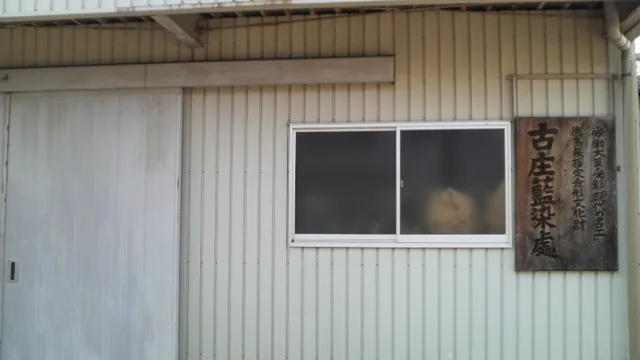
| Spend more time in a functioning Tokushima City dye workshop | Furusho Dye Factory | Around sixty minutes in a small working-studio setting. | Telephone reservation by the previous day; capacity around eight. |
| Understand sukumo and the production chain | Kamiita workshops | A rural context for cultivation, dye material and finished work. | Separate transport planning and venue-specific reservations. |
| Try dyeing before an Awa Odori evening | Ai no Yakata early, or a city studio if its slot fits | A daytime activity with time to return and reset. | Festival crowds make a tight return unreliable. |
| Dye a T-shirt or fabric you already own | Ai no Yakata reserved session or specialist studio | The personal object becomes the point of the session. | Material rules, previous-day booking and weight-based charges. |
A thirty-minute activity can still take a long travel block
Ai no Yakata is in Aizumi, outside the centre of Tokushima. The museum occupies the former Okumura indigo-merchant estate and explains the crop, processing tools and trade that made Awa indigo important to the region. Dyeing a small cloth there gives the exhibit a physical counterpart. Allow time to read the displays as well as to complete the workshop; treating it as a thirty-minute stop on a city-centre walk would underestimate the journey.
The operator currently gives about twenty-five minutes by car from JR Tokushima Station, and its public-transport directions use a Tokushima bus to Okuno followed by roughly ten minutes on foot. Older regional descriptions put the site around nine kilometres from the station and about twenty minutes by car. Traffic and the bus schedule will decide your actual journey. For a car-free visitor, the transfer can take longer than the time spent dyeing, so check the return connection before deciding where lunch or the next attraction goes.
If indigo is a secondary interest, compare the total time away from central Tokushima. If understanding the craft is a main reason for the trip, a longer studio session or a rural production visit may deserve that time. The object you dye also matters: a useful stole or tenugui may justify more care than a quick souvenir square, but only if its price and luggage size suit the rest of the trip.
Ai no Yakata combines exhibits and an accessible first attempt
The museum's regular opening hours are 09:00–17:00. It normally closes on Tuesdays, except when Tuesday is a holiday, and also from 29 December to 3 January. General admission is ¥300 for adults, ¥200 for junior and senior high-school students and ¥150 for primary-school children; the fabric for dyeing is a separate purchase. Workshop registration normally runs to 15:30. Arrive earlier if you want the displays and a calm return rather than treating the last registration time as an ideal arrival.
For an individual or small party choosing fabric sold at the museum, no reservation is generally needed. The museum takes visitors in arrival order, so a busy day can still involve waiting. Telephone or email ahead when bringing ten or more people, and reserve a bring-your-own session in advance. This distinction is more useful than calling the venue either walk-in or reservation-only without saying which version of the activity you mean.
Museum fabric gives you a predictable first-try price. The current starting amounts are:
A handkerchief starts at ¥1,000.
A hand towel, bandana, lace handkerchief or tenugui starts at ¥1,500.
A small silk stole starts at ¥2,000.
A gauze stole starts at ¥3,000.
A large silk stole starts at ¥3,500.
Do not automatically buy the least expensive square of cloth. A tenugui or bandana gives more area for a pattern and still packs flat; a stole costs more but may be worn after the trip. The dyeing session takes broadly the same time whichever standard item you choose. Compare the final object with the budget, rather than equating the cheapest fabric with the best value.
Bringing your own fabric changes the booking and price
Ai no Yakata asks for a telephone reservation by the previous day when you bring an item. Published appointment windows are 09:00–10:30, 10:30–12:00 and 13:30–15:00. Wash the fabric beforehand with neutral detergent and without fabric softener. Water-repellent or shape-memory treatment may keep the dye from taking properly; the museum can also decline unsuitable materials. Explain the item when booking instead of arriving with a garment and assuming the normal walk-in process applies.
For cotton and linen, the published charge is ¥30 per gram, with a ¥1,000 minimum for an item weighing no more than 35 grams. Silk is ¥50 per gram, with a ¥2,000 minimum up to 40 grams. The museum's own example makes a roughly 200-gram cotton T-shirt about ¥6,000. These are material-based charges, so weigh and identify the item before comparing it with a ¥1,000 standard handkerchief. The bring-your-own arrangement has both a financial and a scheduling cost.
A personal garment can be a meaningful reason to book a fixed slot. It is not automatically a bargain or a more revealing lesson than using fabric supplied on site. Consider whether the garment's material can take dye, whether shrinkage or colour change is acceptable, and where a freshly finished piece will go for the rest of the day. The museum provides a process for drying and taking the work home on the same day, but leave space in your bag.
Furusho puts more of the visit inside a working workshop
Furusho Dye Factory in Tokushima City offers a natural lye-fermentation dyeing experience in a working studio. The Tokushima visitor listing describes a session of about sixty minutes, a maximum of around eight participants and prices from ¥1,000. A telephone booking is required by the previous day. The longer session and smaller capacity suit someone who wants the craft setting itself rather than an exhibit-led introduction with one short practical activity.
The workshop is around ten minutes on foot from JR Kuramoto Station, three minutes from the Sako Nanabancho bus stop or about fifteen minutes by car from JR Tokushima Station. These connections can be simpler than going out to Aizumi for a traveller without a car, though the best route depends on the service time you secure. Arrange transport and the workshop appointment together; neither a nearby station nor a low starting price guarantees an easy unbooked visit.
A city-side workshop can leave more of a Tokushima afternoon intact, but it gives up the flexibility of arriving when you like. It may be the better choice if you have already seen the region's history elsewhere and want to watch a working process. If the museum context is the point, Furusho's extra minutes at the dye vat do not replace the story of the Okumura estate. Choose by what you want to learn, not by an assumption that smaller always means more authentic.
The distinction is practical:
Ai no Yakata is the flexible choice for a museum visit and a short first dyeing session.
Furusho is a reserved, longer workshop visit within Tokushima City.
Both use indigo, but they organise the visitor's time differently. Ai no Yakata offers the easier combination of interpretation and a first dyed item. Furusho rewards a protected appointment and interest in the workshop. Neither label guarantees a particular instructor, empty room or private lesson on your travel date.
Kamiita is for the material behind the blue colour
Kamiita is associated with sukumo, the composted indigo-leaf material used to prepare the dye. Regional tourism information points to Waza-no-Yakata for learning about the process and trying dyeing, and to Watanabe's for a reserved experience linked to cultivation, dye preparation, dyeing and finished goods. This is a more specialised excursion than simply making one blue souvenir near your hotel. The additional rural travel is part of the choice.
If you want a quick first pattern on cloth, a farther trip through Kamiita is difficult to justify on time alone. If you want to connect the field, sukumo making and dye bath, the production geography gives the visit a different purpose. Research the exact workshop's reservation arrangement and transport first; the area name does not mean every venue runs the same timetable or accepts drop-ins.
A useful test is whether you would still go to Kamiita if the simple handkerchief session were available nearer town. If yes, the production story or a particular maker is the attraction. If no, keep the day around Ai no Yakata or Furusho and use the saved travel time elsewhere in Tokushima.
With children, the length of the session matters
Ai no Yakata welcomes children as well as adults. Its roughly thirty-minute standard workshop makes a manageable first attempt, especially with a handkerchief or tenugui that shows a pattern by the end of the session. Check the child's admission and fabric cost separately. The museum may be most useful when the family also wants to look at the exhibits, but do not assume every child will want the full historical visit after the hands-on part.
Dyeing involves tying or folding cloth, dipping it, exposing it to air and repeating the process before washing and drying. A child needs to follow instructions around the vats and wait through these stages. A sixty-minute appointment may be ideal for a patient young craft enthusiast and frustrating for a child who wants an immediate result. Choose the object and instruction time together rather than selecting a venue solely by a minimum age.
Leave breathing room after a family session. A museum visit, regional transfer and evening performance are more tiring together than each sounds on its own. An early appointment gives the dyed item time to be packed away and the family time to return to the hotel before the next fixed event.
An Awa Odori night needs a generous return buffer
When Awa Odori is the reason for being in Tokushima, protect the evening programme first. Put a dyeing visit in the morning or early afternoon, then return to central Tokushima before the festival crowds build. Dropping the finished fabric at the hotel and taking a break may improve the night more than squeezing in another daytime attraction.
Avoid a rural workshop whose last convenient bus only just reaches a ticketed performance. Even if the session ends on time, traffic and festival movements can make the transfer slow. A booked seat or a meeting point is a stronger time constraint than a flexible craft stop, so give it priority when building the route.
For a festival stay, choose the hotel base before choosing a workshop. Where to Stay for Tokushima Awa Odori helps you identify a central return point. A room within an easy walk of the evening area gives you a place to leave the dyed item and change before the crowds grow.
Naruto and indigo do not automatically make one easy day
Ai no Yakata and Naruto can look close together on a regional map, prompting an ambitious day with the whirlpools, Otsuka Museum and Awa Odori as well. Each piece has its own timing. A map cannot show the effort of changing transport, reaching a tide-dependent boat, spending meaningful time in a large museum and returning for an evening event.
Naruto whirlpool viewing is governed by the tide. Dyeing has a registration cut-off or reserved start, and festival performances happen at fixed evening times. Trying to satisfy all three clocks makes a fragile itinerary even if each road segment appears short. Decide which activity deserves the day before booking the others around it.
If Naruto is the priority, give the tide and the museum the daytime, then choose a separate central-Tokushima craft block if time permits. If indigo is the reason for the outing, stay with that theme and avoid treating the workshop as a thirty-minute filler between long drives. One well-paced regional day can reveal more than an itinerary whose attractions are mostly transfers.
Choose the fabric you want to carry onward
| Fabric | When it is useful | What to allow for |
|---|---|---|
| Handkerchief | First attempt, child or small budget. | Less area to explore a pattern; starts at ¥1,000. |
| Tenugui or bandana | A flat item with room for a visible pattern. | Starts at ¥1,500, slightly above the handkerchief. |
| Stole | A finished piece you might wear after the trip. | More fabric to handle and a higher starting price. |
| Your own T-shirt or cloth | The personal item is central to the visit. | Reserve ahead, check fibre and finish, and calculate the cost by weight. |
On a multi-city trip, flat cloth is easy to fit into a small bag. A larger personal garment may be more satisfying to make but also costs more, needs prior material checks and occupies luggage after dyeing. The right souvenir is the item you will use or remember, not the one that forces an unnecessary storage problem for the rest of the holiday.
The visit that fits your Tokushima day
Ai no Yakata remains the simplest first encounter with Awa indigo: displays about the merchant estate and local material accompany a short practical session, and a small party using museum fabric can usually arrive without a reservation. The historic main house itself has been closed for renovation since 16 October 2026, with no announced reopening date, while the museum continues normal operation. Do not make the main house interior the sole reason for travelling to Aizumi until that closure ends.
Furusho is a stronger fit when you want around an hour in a working dye setting and can commit to the previous-day booking. Kamiita suits a traveller deliberately following indigo production rather than seeking only a first object. On an Awa Odori trip, whichever venue you choose should finish early enough to return, put the fabric away and reach the evening programme without rushing.
Build the rest of the Tokushima route
A festival-centred trip can begin with Where to Stay for Tokushima Awa Odori. For the wider island route, Shikoku 4-Day Itinerary Without a Car shows how Tokushima fits into a short car-free itinerary; Japan Summer Festivals Compared helps decide how much of the evening to protect for the performance.
A hands-on workshop can sit within a longer Tokushima visit. Compare local stays by the workshop address and your next bus or rail departure.
Workshop details and visit conditions
For the standard session, read Ai no Yakata workshop and museum fabric and prices. The Ai no Yakata booking and duration explains reservations and approximate duration. Furusho Dye Factory listing covers the smaller city workshop. For Kamiita, consult the East Tokushima area guide and the selected maker's booking instructions. Ai no Yakata also posts current museum notices, including the Okumura main-house closure.
Related guides: Koenji Awa Odori 2026: Routes, Seats and Better Exits · Fukuoka Hotels With Parents: Reduce Repeated Walking, Transfers and Bathroom Friction · Sapporo Solo Hotels: Late Returns, Snowy Walks and Laundry Matter More Than the Cheapest Room · What to Wear for Japan Autumn Leaves: Cities, Mountains, Rain and Snow · Osaka and Kyoto 4-Day Itinerary With USJ: Does Kyoto Still Fit? · Shiretoko Drift Ice Walk: SHINRA Gear, Season and Winter Transport · Kagoshima Chuo or Tenmonkan? Pick Your Base by Trains, Luggage and Evenings · Okinawa Rainy Day Activities and Typhoon Travel Guide · Japan eSIM Late Arrival: Natural Days, 24 Hours and the 11 PM Trap