
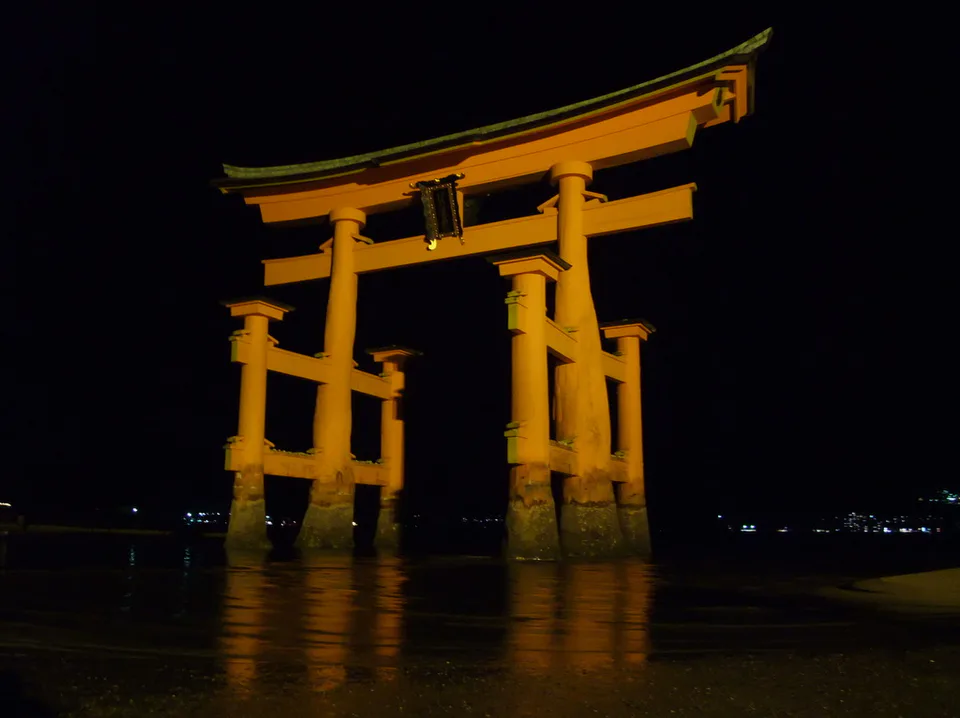
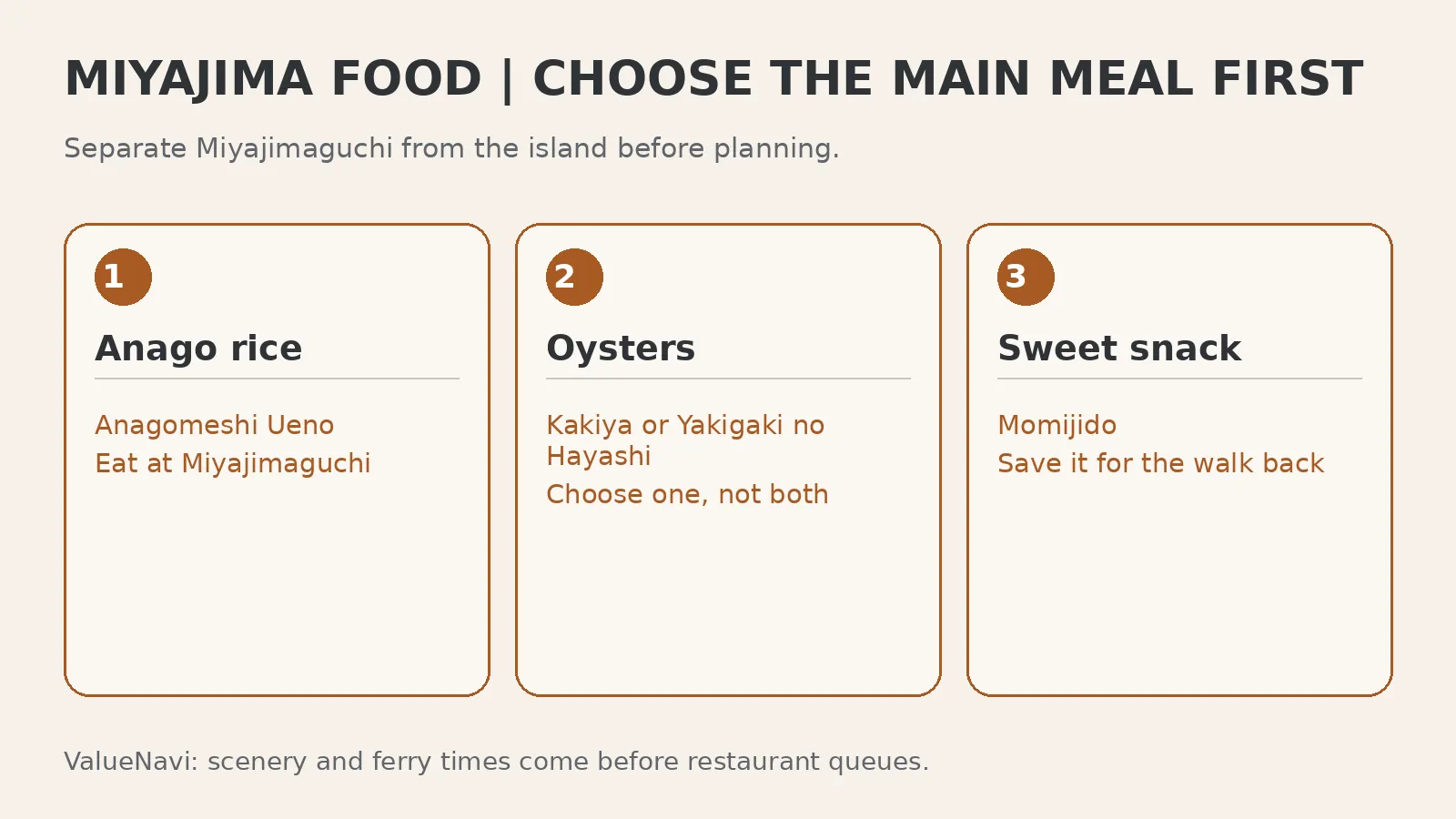
Three Miyajima foods deserve room in a first visit, but they do not need three restaurant stops. Anago rice works as the main meal at Miyajimaguchi before the ferry or after returning. Oysters can be a full island lunch or just a short tasting. Momiji manju fits a flexible walk back toward the pier. That leaves space for Itsukushima Shrine, Mt Misen, the tide you hoped to see and the departure ferry.
The scarce resource is the part of the day that cannot move: a ropeway window, reserved kayak, check-in or onward train. Put the meal around that commitment. A different restaurant can rescue lunch; no substitute queue will give back a missed mountain ride.
Give the three foods different places in the day
↔ Scroll table left or right
Main priority | Start here | Use in the day | When to switch |
Anago rice | Ueno at Miyajimaguchi | Main meal either side of the ferry | The line would erase valuable island time |
Oysters | An island oyster stop | A full lunch or a brief taste | Others need a menu beyond oysters |
Mt Misen | Do the mountain before a heavy lunch | Protect the activity with the least flexibility | Your chosen mountain window is later and weather remains good |
Momiji manju | Buy near the end | Snack or boxed souvenir that can shrink to minutes | A particular maker is the purpose of the visit |
Dinner-included ryokan | Keep lunch modest | Arrive hungry enough for the paid dinner | Your room booking does not include a meal |
How much restaurant waiting can this itinerary absorb?
A celebrated meal may justify a line if food is the purpose of the outing. On a sightseeing day, measure that line against the next fixed commitment. The useful number is the time left after reaching that activity and protecting a buffer, rather than the time until it starts.
Available queue time = minutes until the next fixed activity, less the walk or transfer to it and a safety margin.
Suppose the Mt Misen portion must begin in ninety minutes. If getting to the ropeway, walking and leaving a safe margin already require forty-five, the restaurant has at most forty-five minutes for both queuing and eating. A forty-five-minute line alone will not fit.
↔ Scroll table left or right
Shape of the day | Room for a queue | Food choice |
Half-day with fixed ferry or train | Small | Use a quicker restaurant if the first line grows |
Full day centred on the shrine | Moderate | One intentional wait may fit |
Misen plus a reservation | Very small before the booked or mountain block | Eat lightly first; make the large meal later |
Overnight without a same-day ferry deadline | More flexible | Spend longer only at a place the group cares about |
Time already spent waiting does not increase the time left. If the line has taken twenty-five minutes and another thirty looks likely, leaving may still protect the reason you crossed to Miyajima. Treat the next half hour as a new choice.
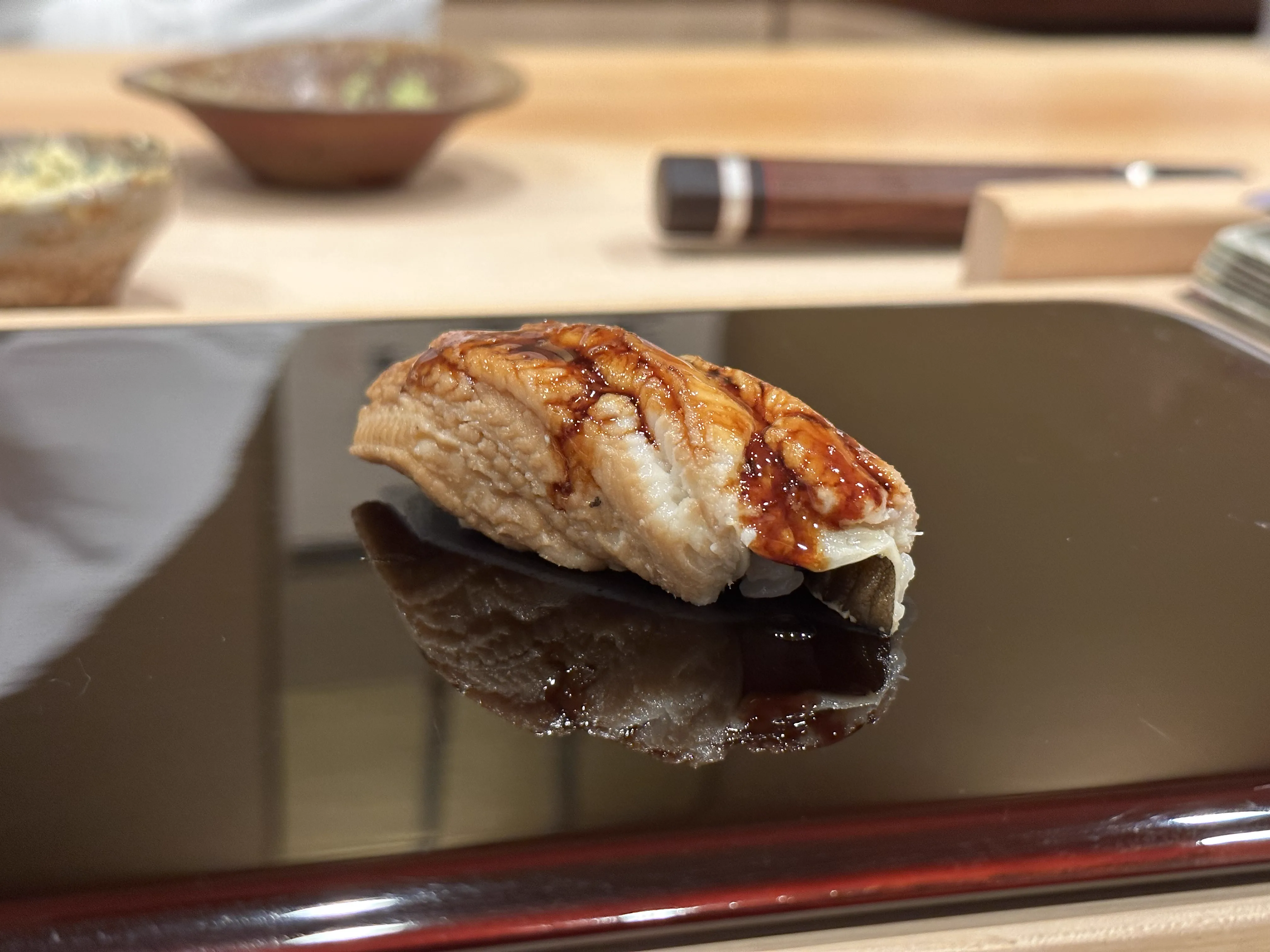
Anagomeshi Ueno sits before the ferry, not after it
Anagomeshi Ueno is beside Miyajimaguchi Station on the mainland. Its dining room opens at 10:00 and bento sales begin at 09:00; both currently run until 19:00, except Wednesday when they end at 18:00, and may finish earlier if sold out. The first-floor dining room does not take seat reservations. Bento orders can be reserved, but even those customers join the pickup queue on busy days.
That location creates three workable choices:
If the meal leads the day, eat at Ueno before boarding and avoid planning another large lunch on the island.
If Misen is the priority, board without waiting for a mainland table; find a quicker bite and eat properly later.
If dinner after the island is the plan, check that Ueno has not sold out and that its closing time leaves room for the ferry return.
The restaurant can be a fine reason to pause in Miyajimaguchi, but crossing the ferry twice or delaying an early island plan just to fit it changes the day. Decide whether the rice is the main objective before joining the line.
KAKIYA lets oysters be lunch or a taste
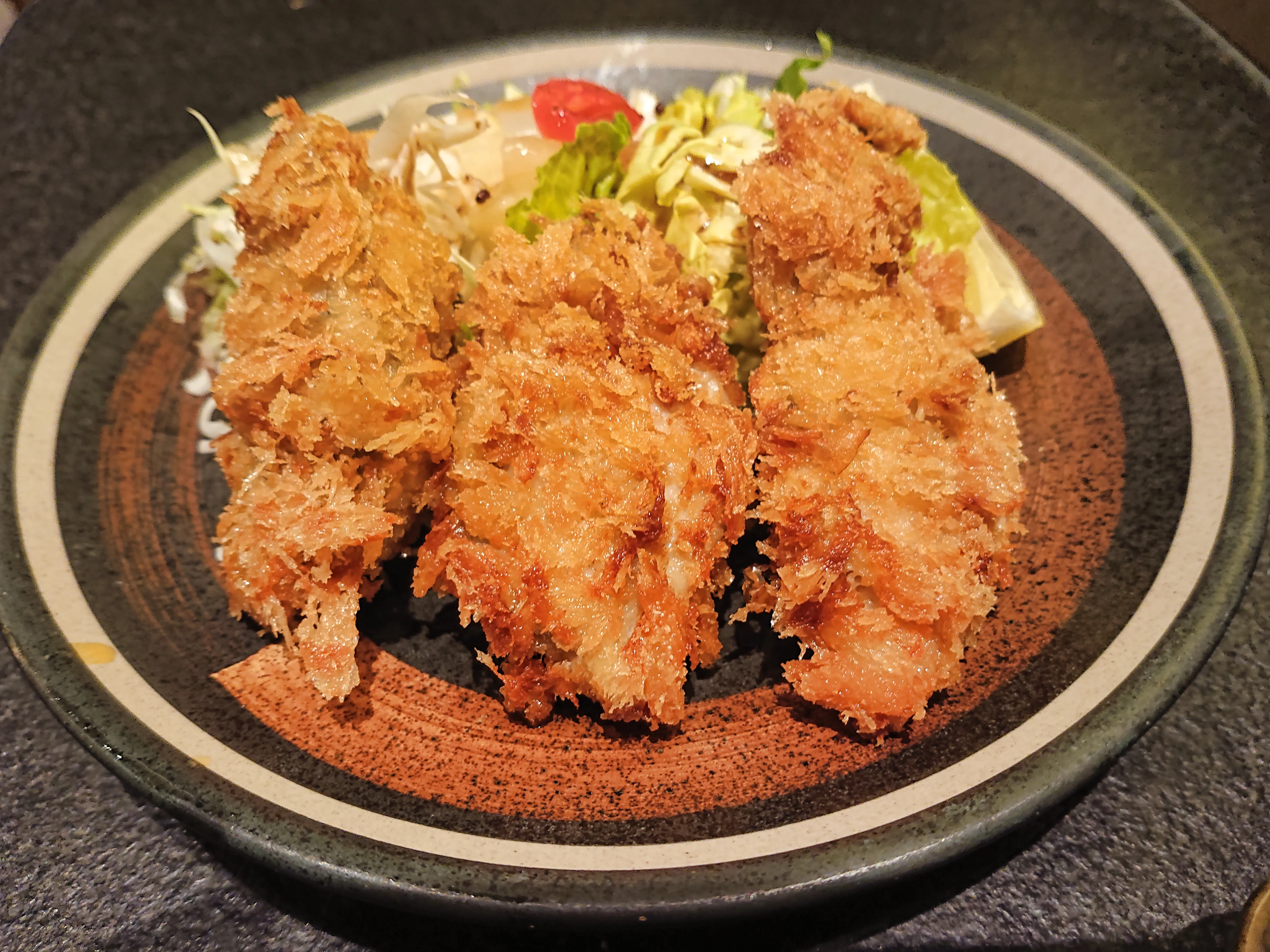
KAKIYA serves oysters on Miyajima rather than at the mainland ferry stop. Its listed Kakiya Set costs ¥2,900 and includes several oyster preparations; two grilled oysters cost ¥750. Those prices make the choice concrete without converting them into a currency figure that will soon go stale. Confirm the menu when you travel.
A set turns the oyster stop into the main meal. The grilled pair lets you taste a local speciality and keep lunch open for something the rest of the group wants. That difference is particularly useful when only some travellers are enthusiastic about oysters.
An oyster-only restaurant is a poor automatic compromise for a mixed-appetite family. One person can take a short tasting while the group keeps its broader meal plan. A longer seafood lunch makes more sense when the group actually wants that as the centre of the visit.
Misen has more moving parts than lunch
A Mt Misen outing has ropeway lines, walking distance, changing weather and fatigue. Eating a heavy lunch before those uncertainties can consume the best mountain hours and make the climb less comfortable. Protect a usable mountain window first if Misen is central to the day.
For a tight visit, a shrine or other heritage stop can lead into Misen, with the full meal after the descent and sweets on the return walk. A momiji manju purchase can take five minutes instead of thirty; the mountain cannot be shortened that way without dropping part of it.
Momiji manju fits the loose end of the route
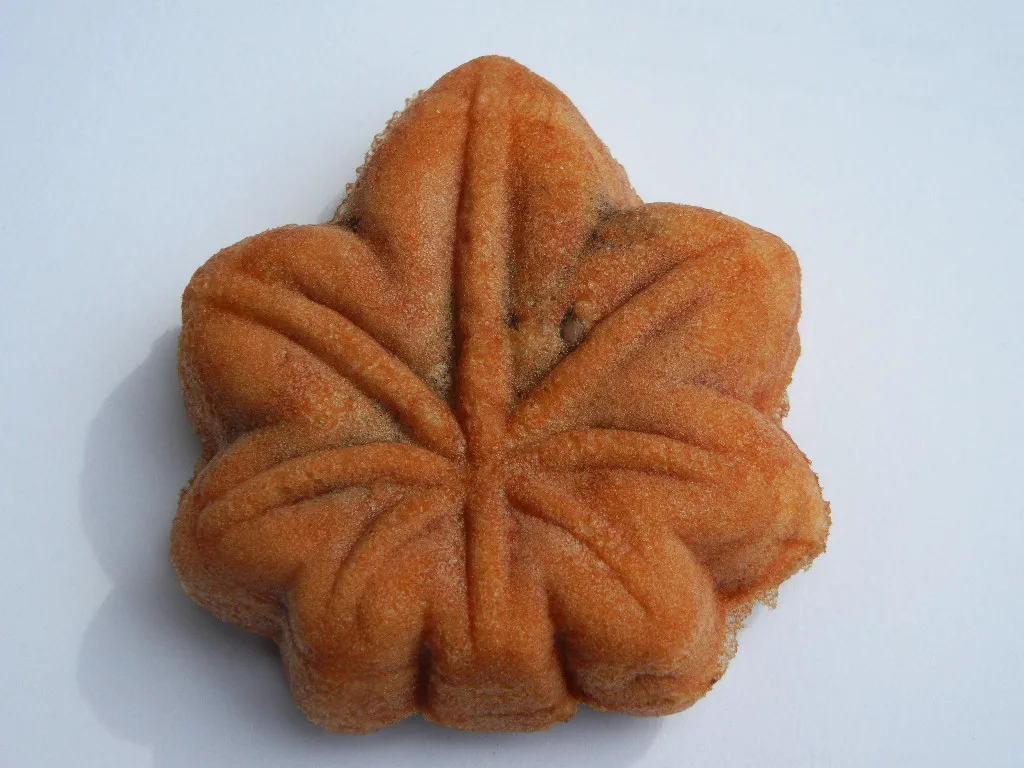
The maple-leaf cake demands the least schedule commitment of the three foods. Pick up one quickly when the ferry is close, or take time to compare flavours and shops if the day opens up. Buying souvenir boxes toward the end also avoids carrying them around Itsukushima, Daisho-in or the mountain.
In practice, keep booked sightseeing and transport first, allow one sit-down meal, then fit sweets or boxed souvenirs into the remaining minutes. The order can change on a deliberately food-led trip, but it should change by choice.
Where food collides with the rest of a Miyajima day
↔ Scroll table left or right
Plan | Simplest meal pattern | Conflict to prevent |
Itsukushima, Daisho-in and shops | Ueno or a single oyster lunch | Two separate long restaurant stops |
Shrine plus Misen | Full meal after the mountain | A queue that consumes the ropeway window |
Kayak or another timed activity | Eat in the biggest clear block afterward | An uncontrolled lunch line before check-in |
Ryokan stay with dinner | Small lunch or taste | A late heavy meal before the included dinner |
Half-day on the island | One dish and one sweet | Two queues taking most of two sightseeing hours |
The cost of each stop is more than its menu price
The figures below are ten-point planning scores: a higher number means easier timing, lower practical cost or stronger fit with the route. They describe scheduling trade-offs rather than judging how good any dish tastes.
↔ Scroll table left or right
Planning dimension | Anago at Miyajimaguchi | Oysters on the island | Momiji manju |
Money | 7/10 | 7/10 as a meal; 9/10 as a tasting | 9/10 |
Time | 5/10 with a line; 8/10 if timed well | 6/10 | 9/10 |
Need to book | 6/10 | 7/10 | 9/10 |
Weather resilience | 9/10 | 9/10 | 8/10 |
Crowd resilience | 5/10 | 6/10 | 7/10 |
Fit along the route | 9/10 before or after ferry | 9/10 while on the island | 10/10 near the end |
Distinctiveness | 9/10 | 9/10 | 8/10 |
A maple cake scores well because it can be bought near the ferry with little delay, even if anago or oysters feel like the more distinctive meal. A restaurant with stronger local character can still be a poor fit when its queue lands before a fixed activity.
Three ways to place the meal without losing the island
For a Misen day, eat a modest breakfast, visit the shrine and mountain while the ropeway window is useful, then choose oysters or another substantial meal after coming down. Buy momiji manju as you head back toward the ferry.
For a slower heritage day, anago rice at Miyajimaguchi can be the meal before boarding. Continue to Itsukushima and Daisho-in, keep oysters to a small island taste, and leave the sweet until the return.
With a ryokan dinner included, make the first-day lunch light, spend the afternoon sightseeing and check in with room for the meal already paid for. An evening walk can follow dinner. The quieter next morning is better used for the shrine or Momijidani than another forced restaurant circuit.
Questions to settle before joining a line
Which reservation, ropeway window or departure is the next fixed part of the day? Work backward for the queue limit.
Will Ueno fall before boarding or after the return? It is on the Miyajimaguchi side.
Are oysters today’s lunch or a small tasting? Decide before committing to a line.
Does the ryokan rate include dinner? Keep the earlier meal proportionate.
Is the ferry or train margin tightening? Let the final sweet go first.
How much eating fits a first visit?
A first Miyajima visit rarely needs more than one substantial food reservation in the day’s schedule. Choose anago at Miyajimaguchi or an island oyster lunch, try the other speciality in a smaller serving if appetite permits, and keep momiji manju movable. A food-focused visit can deliberately spend longer at a restaurant, but it will need fewer sights or a later departure. Name that priority before buying ferry tickets or locking in an activity.
If a group splits on oysters, use the ¥750 grilled pair as a tasting rather than imposing a ¥2,900 oyster set as the only lunch. If the ferry or train margin starts disappearing, drop the sweet stop before risking transport.