
A photograph of someone carrying skis through a stylish lobby does not show the part of the morning that usually causes trouble: collecting the correct equipment, reaching the lesson meeting point and bringing a tired child back to the room. Skye Niseko and Setsu Niseko both make that routine easier than an anonymous room on the edge of town, but in different ways. Skye sits beside Grand Hirafu terrain and offers ski-in/ski-out access and a ski valet. Setsu is in the Hirafu village with an in-house rental service, lockers and a winter shuttle to the Grand Hirafu gondola. Your preferred slope, skiing ability and number of returns to the room determine which advantage you can actually use.
JapanLayer hotel assessment by dimension
| Hotel | Dimension | JapanLayer score |
|---|---|---|
| Setsu Niseko | Access | |
| Setsu Niseko | Cleanliness | |
| Setsu Niseko | Service | |
| Skye Niseko | Access | |
| Skye Niseko | Cleanliness | |
| Skye Niseko | Service |
Swipe to compare the hotel rooms
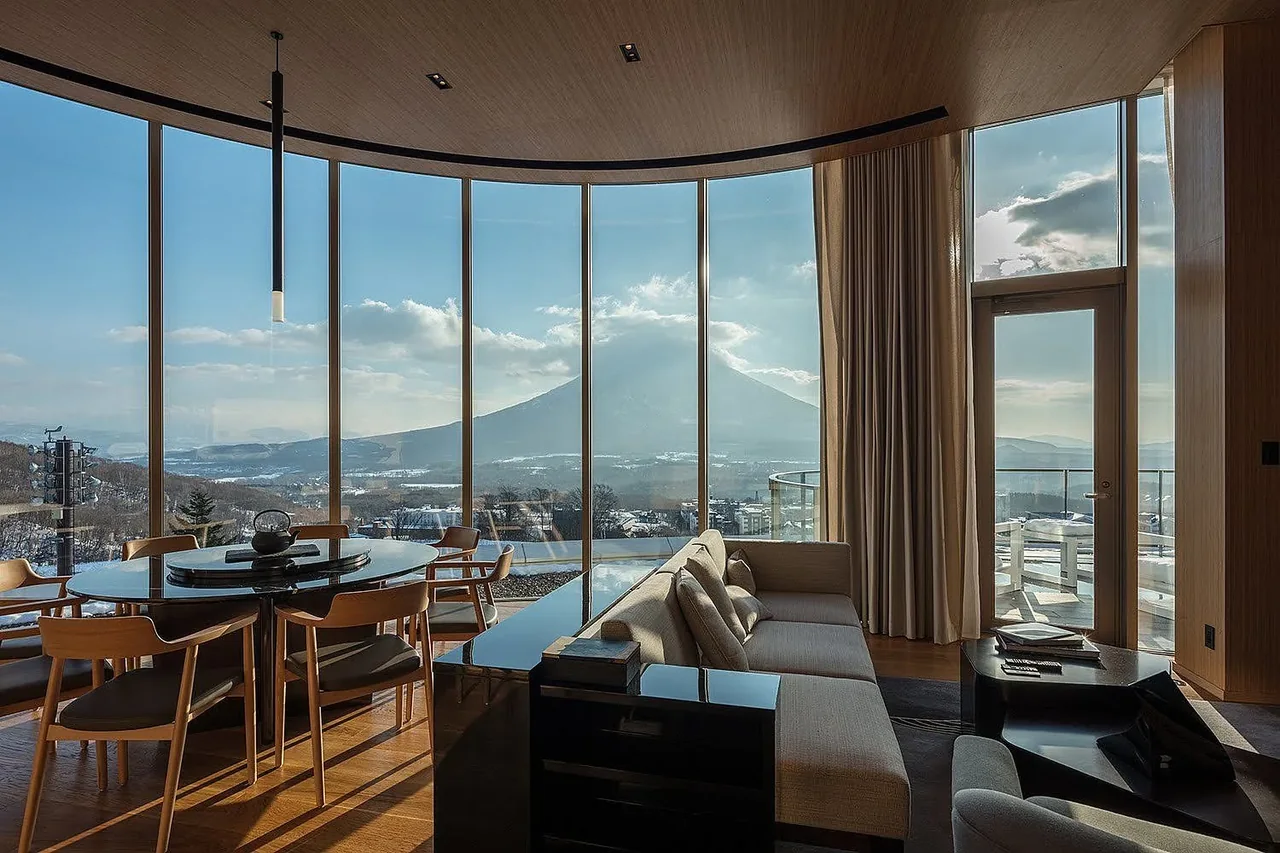
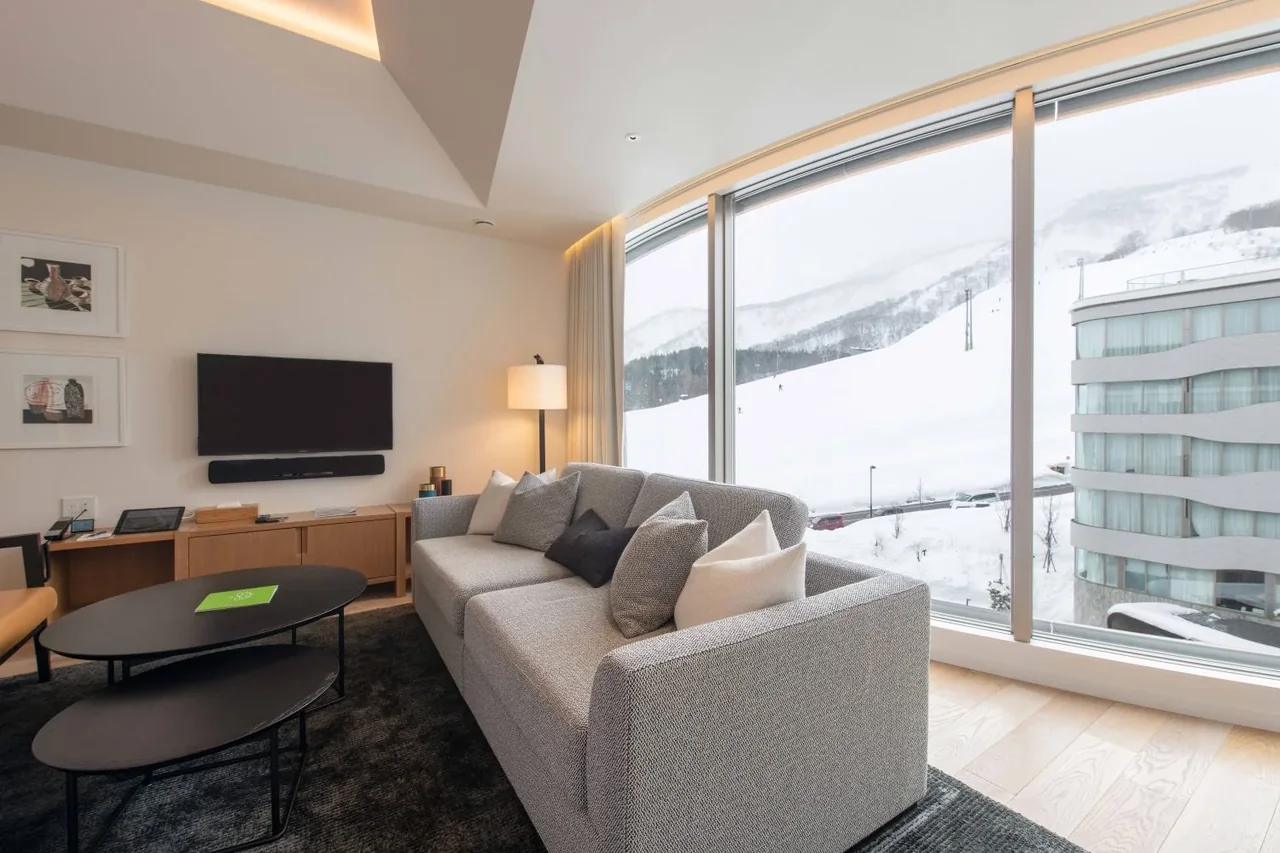
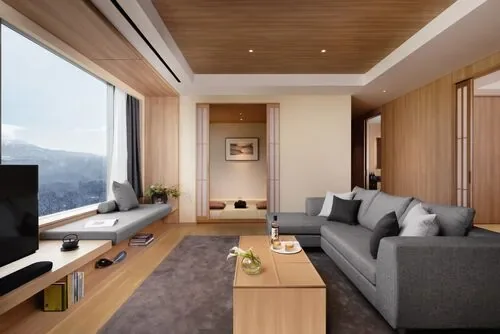
The choice is especially expensive to get wrong on a short trip. A family paying for three days of instruction may value a smooth lesson hand-off more than a piste outside the hotel. Independent skiers who can use Skye's return route and like to stop at their room for lunch may save a meaningful amount of time each day. A mixed group with a non-skier and varied dinner plans might prefer Setsu's village position. Before comparing room rates, locate your ski school, rental counter and intended lift on the Hirafu area guide and the current mountain map. The Niseko ski-trip overview helps you decide whether Hirafu is the right part of the wider resort in the first place.
Walk through the first morning with your own group
At Setsu, a guest can organise rentals at the hotel, store equipment in a guest locker and use the hotel's ski shuttle to Grand Hirafu. The shuttle is a real service, not a substitute for checking the 2026–27 timetable and pickup point. The publicly visible information at this update still includes previous-season service notices; I would not build a lesson arrival time around an old bus interval. Ask the hotel when the current winter schedule will be confirmed, where the bus drops off and what happens if a popular departure is full. Setsu also gives access to the Hanazono shuttle from the lobby and a Niseko United bus stop nearby, so a group skiing several areas has more than one transport pattern to examine.
At Skye, the ski valet handles guests' gear and the hotel's position allows skiing onto and back from suitable Grand Hirafu runs when the connection is open. This is a genuine distinction from a shuttle hotel. It does not eliminate the need to buy a lift pass, collect rentals or travel to a lesson meeting point elsewhere. Someone in a first-day beginner class may spend the morning at the ski school's designated base rather than on the hotel's slope. A skier who mainly wants Annupuri or Hanazono may be using a bus despite paying for the Hirafu frontage. The Niseko ski-in/ski-out comparison is useful precisely because the term covers properties with different outbound and return routes.
Consider the return trip as carefully as the start. A confident skier may enter Skye from the piste after a short afternoon, change clothes and go back out. A novice who cannot safely use that slope may need a road route or help. At Setsu, the ski shuttle runs according to its service pattern; a sudden decision to leave the mountain depends on the next vehicle or another mode of transport. Neither should be presented as “no transfer” for every person. If one adult escorts a child and another stays out for night skiing, write both routes, not just the fastest adult's route.
↔ Scroll table left or right
| If the day depends on… | Setsu Niseko | Skye Niseko |
|---|---|---|
| Hotel-to-slope movement | Shuttle to Grand Hirafu; verify current timetable | Direct ski access when connecting terrain operates and ability permits |
| Rental and gear hand-off | In-house Rhythm rental and guest lockers | In-house rental and ski valet |
| Switching ski areas | Hanazono shuttle at lobby and Niseko United stop nearby | Plan the onward bus or lift route from upper Hirafu |
| Returning between ski sessions | Shuttle schedule or other transport | Potentially short ski return for suitable skier and open terrain |
| First lesson | Check booked school's meeting point against drop-off | Check booked school's meeting point against ski access |
One practical test is to start the clock at the bedroom door and end it at the actual lesson lineup. Include boot fitting on day one. Then run the clock backward at 15:00 with a tired child. A hotel's advertised proximity might save minutes on one leg and cost them on another. If lessons are the organising feature of the trip, the three-hour versus six-hour private lesson guide and lift-pass, rental and lesson breakdown should be settled before the room premium is judged.
Match a room type, not a hotel's starting rate
Setsu's accommodation ranges from studios to multi-bedroom suites. A base studio is about 41 m², while other studio layouts are larger; its one-bedroom suites are roughly 78–88 m² and include a kitchen and laundry equipment. Specific layouts, views and occupancy differ. Skye sells hotel rooms, studios and suites. Its hotel room is not equivalent to a one-bedroom suite with a kitchen and in-room washer-dryer. A one-bedroom Skye suite is about 48 m² and provides a kitchen and laundry, with the third guest's bedding handled differently from the bedroom's main bed. Check that exact bed plan before comparing a three-person quote with Setsu's larger suite.
This matters more than the headline square metres for a longer ski stay. A family with wet base layers every evening may pay for a washer in the room. A couple that uses hotel dining and packs spare layers may not. A four-person group may need two proper bedrooms or at least sleeping spaces that do not require everyone to share a timetable. Neither a large studio nor a premium one-bedroom suite automatically supplies four independent beds. The Niseko family and group apartment guide sets out the right questions: actual bed count, bathroom count, kitchen and laundry, rather than a broad hotel-versus-condo label.
At both hotels, confirm how many guests the rate includes, how children using existing beds are counted, and whether a rollaway is even possible. Skye notes that additional bedding cannot be provided in most of its rooms. That makes the final occupancy screen especially important: a cheaper room that cannot accommodate your party is not a valid alternative. Some long-stay promotions require a minimum number of nights. A seven-night offer is irrelevant to a four-night booking unless the total genuinely makes staying longer worthwhile. Do not turn a special offer into a permanent nightly price.
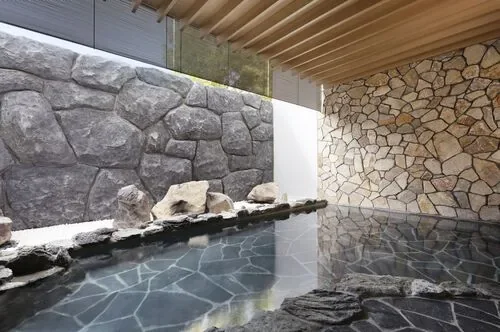
Both properties have bathing and dining options, but “private onsen” needs careful reading. Setsu advertises in-room onsen only for selected suites and also offers communal and bookable private bathing facilities. A normal studio does not inherit the amenity from the property's name. Skye guests have access to its onsen; any private bath claim must be checked against the specific suite. Spa treatments are separate services and often require booking. If the bath is the reason you will pay an upgrade, check its exact room entitlement, cost and available hour before comparing totals. The onsen selection guide may help separate a room bath, reservable private bath and communal bath, though it does not replace each Niseko hotel's conditions.
The person who does not ski changes the decision
For a non-skier, Setsu's village location and its combination of restaurants, public bathing, fitness and play spaces may create an easier independent day. Skye has dining, spa and wellness facilities too, but a person going into Hirafu village repeatedly needs to account for the slope and snowy streets on the return. The skier may call the hotel perfectly placed while their companion sees a more demanding walk after dinner. Look at the Niseko non-ski activity guide with that person's specific mobility and interests in mind.
A playroom is not childcare. Parents who intend to ski at the same time need to establish whether supervision is available at the required ages and hours, or arrange lessons and alternating care. Add the cost of that plan to the hotel price. A multi-bedroom room can help with naps but does not solve who supervises a preschooler. For a group that divides between snow, town cafés and rest, Setsu's larger units may be practical; for a group whose non-skiers stay at the hotel and skiers return from the piste, Skye can work well. There is no one “family hotel” answer until the daily split is defined.
Food is another split. A suite kitchen may be used for breakfast and a child's early dinner, or it may sit empty because the group prefers restaurants every night. Hirafu dinner reservations can be consequential during peak periods. The Niseko ski dining guide is a good prompt to book the meals you care about and plan a grocery fallback. It is not evidence that every dining option in either hotel is open or included with your rate. If several people want different dinner times, the kitchen and laundry can give a suite more value than its square metres alone suggest.
Price the four-night ski plan honestly
Choose the same four nights and the same cancellation policy. Enter every traveller's age. Compare an acceptable Setsu room against an acceptable Skye room, not the cheapest category at one property against a suite at the other. Add breakfast if only one quote includes it, then lessons, rentals and the correct area lift pass. Setsu's current information distinguishes a Grand Hirafu/Hanazono pass from an all-mountain pass. The right ticket depends on where your group will actually ski, not on the hotel. If you intend to move across Niseko United, the where-to-stay guide for Hirafu, Hanazono and Annupuri is worth reading before paying a premium for one slope position.
Put transfer costs into the calculation, but do not invent a daily taxi cost for Setsu or assume a bus-free trip at Skye. Setsu's ski shuttle has a schedule; a missed last service could require another plan, which is a risk rather than a guaranteed expense. Skye's slope entrance may save real time but relies on open terrain and skier ability. Airport transfers are separate from the hotel-to-lift routine. The New Chitose-to-Niseko guide helps compare long-distance bus and private transfer, yet you still need a precise hotel drop-off and baggage allowance. A flight delay can change which paid hotel hours you use on the arrival day.
If the trip begins with a late landing, a night at New Chitose, Chitose or Sapporo can protect the first full ski day. The late airport arrival guide addresses that choice. For a short Hokkaido holiday, also compare Sapporo versus Niseko nights: moving the first or last night to the city can change the value of a luxury Niseko room more than a small rate difference between Setsu and Skye. The Niseko ski budget timeline is useful for ordering reservations when lessons and peak-season rooms fill at different times.
The refundable rate may be the better buy if the first ski day depends on an international flight, a road transfer and a particular lesson slot. If the group has already committed to flights and instruction and the weather risk is acceptable, a restrictive rate may save money. Make that a conscious comparison of terms, not a hidden difference between the two hotel quotes. If snow or wind changes lift operation, neither hotel can guarantee the slope route you imagined at booking.
Which one would I open first?
For independent Grand Hirafu skiers who expect to return to the room during the day, I would check Skye first. Its piste-side position and ski valet are valuable when they fit the ability and terrain actually used. I would open the exact room plan alongside the snow map; a hotel room without kitchen or laundry may not be enough for a longer stay, even when the slope access is excellent.
For a mixed-ability family, I would check Setsu's room configurations and in-house rental first, then ask for the 2026–27 shuttle details. The village position can serve a non-skier and dinner plans. If every morning begins at a lesson base far from the shuttle stop, however, its advantage may shrink. Skye can still win for a family whose children can safely use the slope route and whose room category has the beds and space they need.
For a group skiing several Niseko areas, I would settle the transport plan before either hotel. A Grand Hirafu frontage is less decisive if two days begin at Hanazono or elsewhere. Setsu has useful bus connections, while Skye's direct access remains pleasant on the Hirafu days. If the split is unclear, revisit the Niseko versus Rusutsu ski-resort decision and make sure the group wants the particular resort experience it is pricing.
Finally, I would use a single check at payment: does the quoted room let everyone sleep properly, does its ski route work for the least confident skier, and can the non-skier spend a good day without waiting for the rest of the group? If the answer to any of these is uncertain, another advertised amenity is not the solution. Resolve the route or room category first; only then compare the total four-night price.
Updated 3 October 2026. Confirm the current shuttle schedule, lesson meeting place, terrain access and room occupancy for the nights booked.