
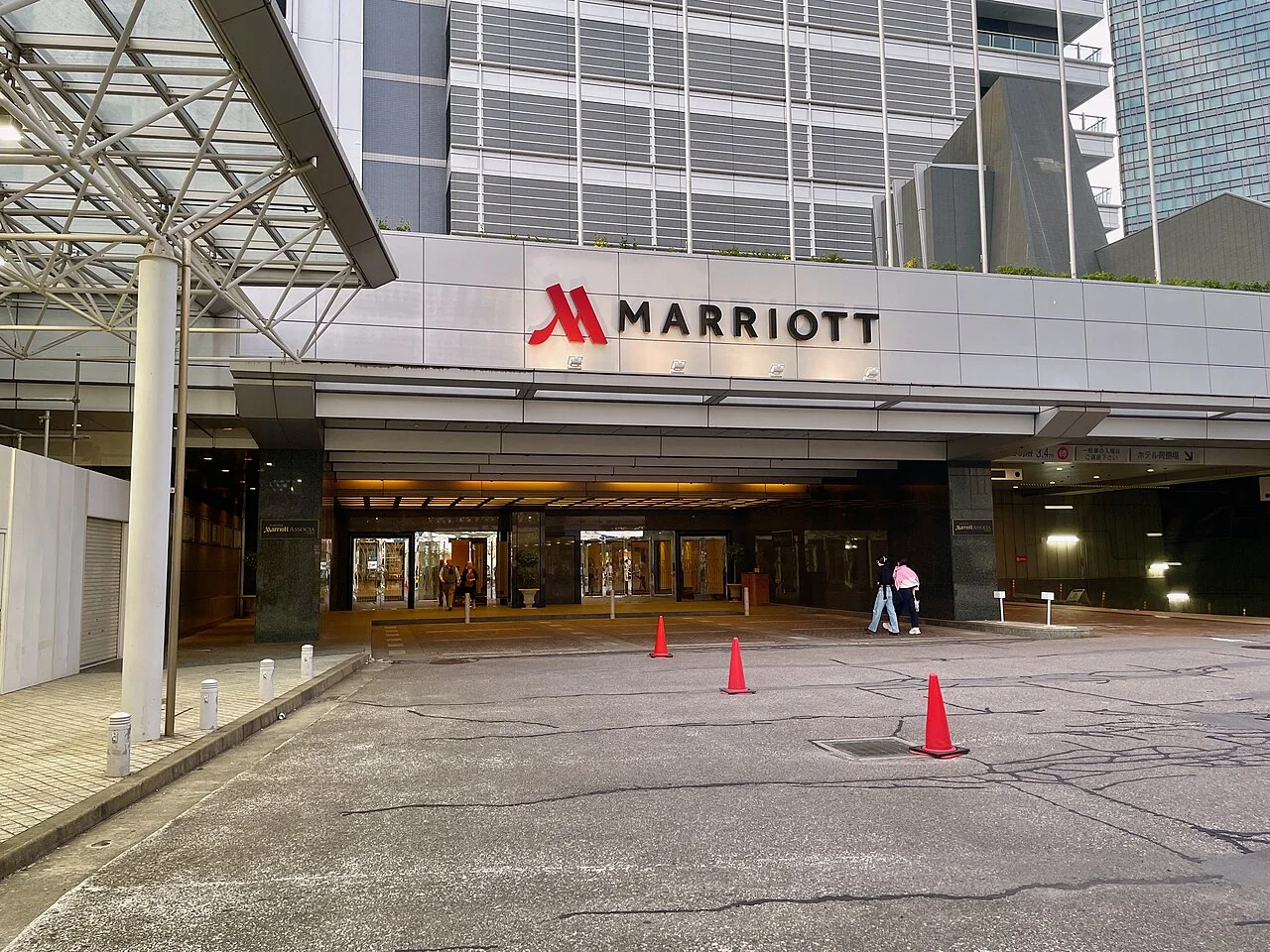
An all-reserved Nozomi ticket changes the last night of a Nagoya trip. JR Central says Nozomi services on the Tokaido and Sanyo routes will use reserved seats only from 25 December 2026 through 5 January 2027. The rule does not make a station hotel compulsory, and it does not turn every Shinkansen into Nozomi. It does make a casual “we will take the next one” plan less convincing for a family with bags and a particular onward arrival to protect. Nagoya Marriott Associa Hotel and Nagoya JR Gate Tower Hotel both sit in the station complex, so the real comparison is what each room buys after the train problem has largely been solved.
Swipe through the hotels
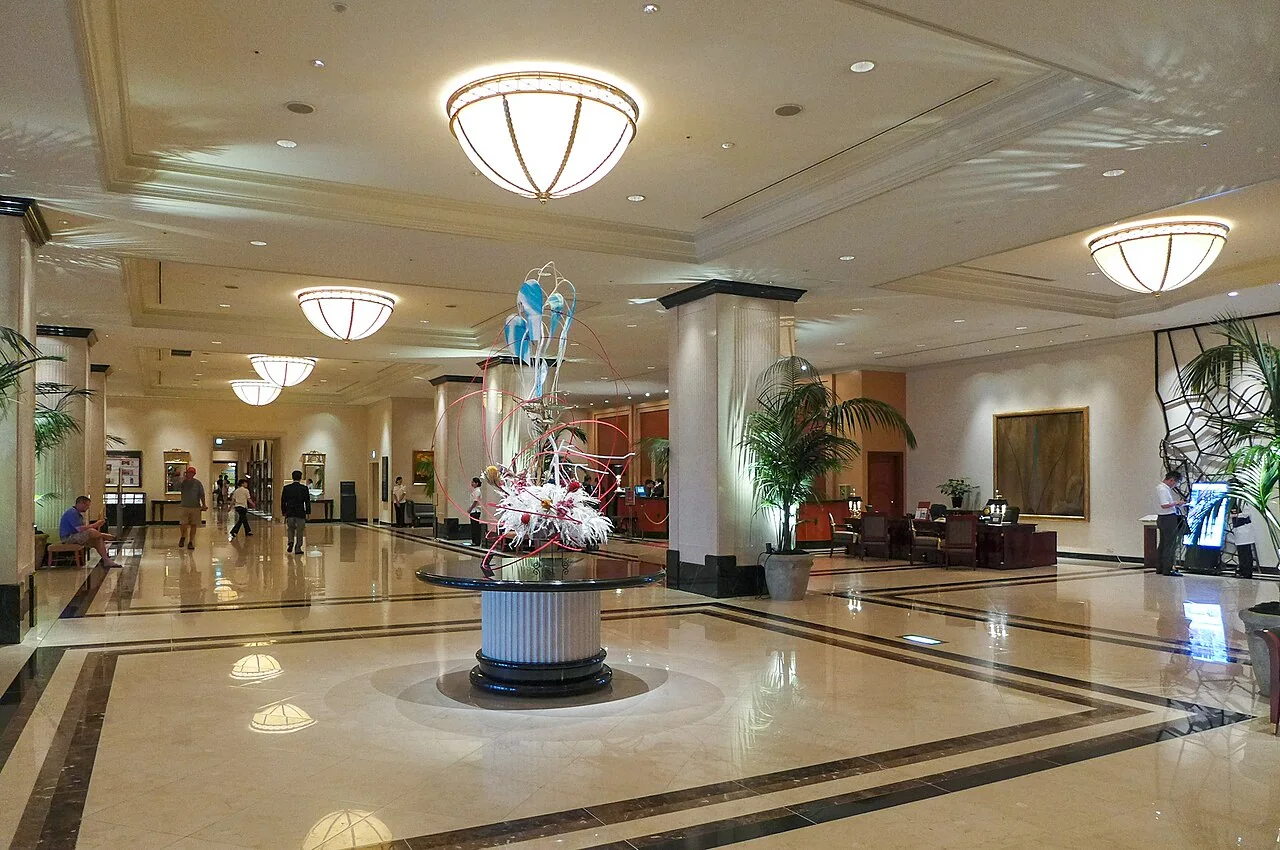
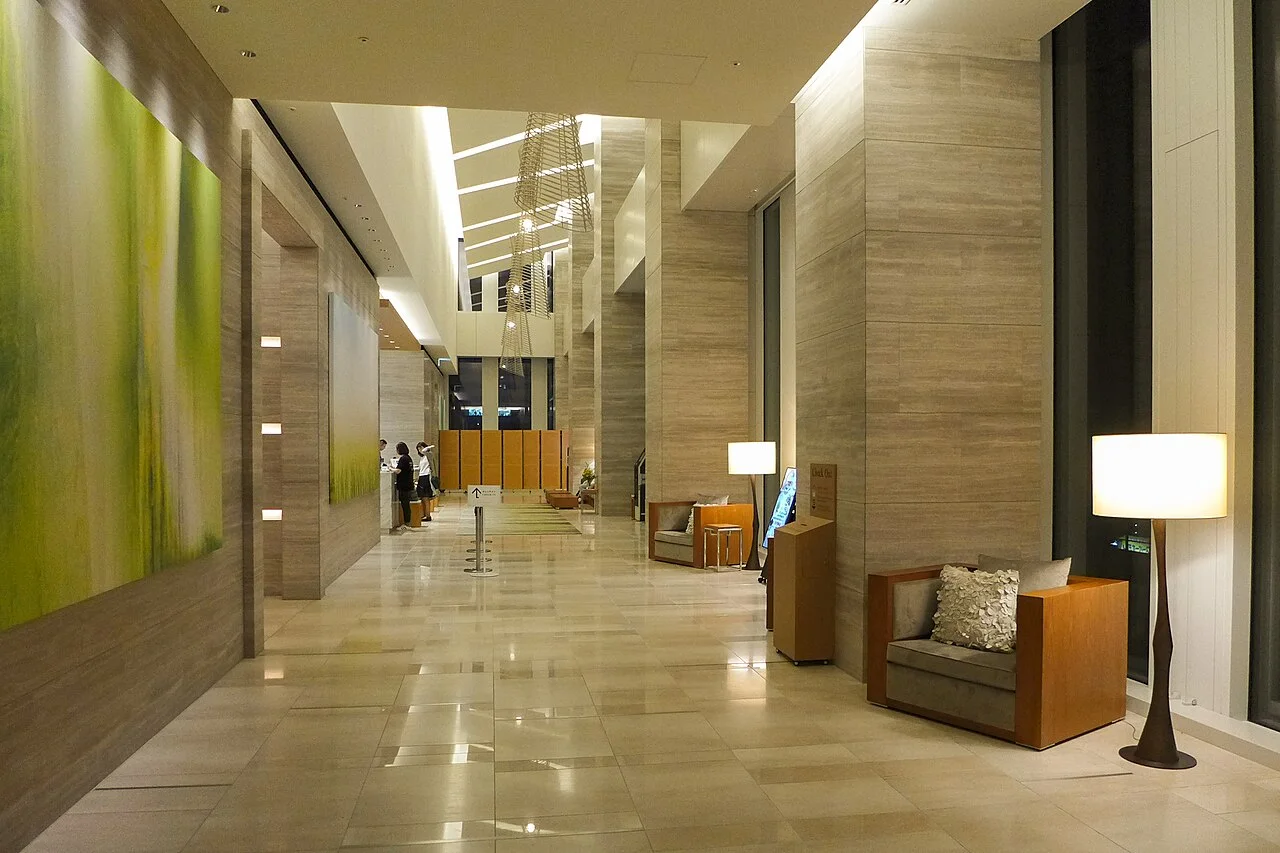
These are two different uses of the same address. Marriott can make the hotel itself part of the holiday: a larger-feeling occasion, more time spent inside and a breakfast or dining plan that the group actually wants. Gate Tower often suits a practical rail stop, especially when the next morning starts early and the room is chiefly a place to recover. Neither description guarantees that the cheapest room at one property beats a particular room at the other. Building, room type, bed layout and breakfast inclusion are the pieces to compare on the date you will book.
Start at the platform, not the hotel lobby
The first decision is the train. Reserve the service you intend to take, check the carriage and ticket conditions, then work backwards to a realistic platform arrival. An all-reserved Nozomi period removes the flexibility that many visitors quietly rely on, but it does not require arriving at Nagoya Station hours early. A hotel attached to the station is useful because it removes a city transfer and makes a forgotten item easier to retrieve. You still need the lift, checkout, the route through the station and the walk to the correct Shinkansen gate. For a group with two large cases, that sequence can take longer than the map's straight line suggests.
Our guide to what the 2026 reserved-only Nozomi rule changed explains the practical difference between holding a seat and merely planning to buy one. If your holiday route continues to Kyoto, the final-night Granvia Kyoto decision looks at the same rail risk from the other side of the journey. A traveller continuing toward Osaka should also test whether a Shin-Osaka hotel for an early train would solve the next morning better than adding another station night in Nagoya. Do not use three station hotels in a row just because each is connected to a train: the transfers between them still consume a holiday.
| Question at the station | Marriott Associa | JR Gate Tower Hotel |
|---|---|---|
| Where is the stay centred? | A full-service hotel experience above the station | A compact station stay with the room as the main purchase |
| What should be checked before payment? | The exact room category, meal inclusion and how much time the party will spend in the hotel | The room's size, bed arrangement, view wording and breakfast rate |
| Who benefits most? | A group that wants a substantial hotel evening or a slower morning | A traveller who values a reliable station base and will leave soon |
| What does neither remove? | Checkout, lift and platform time | Checkout, lift and platform time |
The comparison changes if someone in the group cannot manage a long walk. “Above the station” is still a vertical journey. Marriott's operator describes access through Nagoya Station and a reception on the 15th floor; Gate Tower occupies another part of the large station complex. Before reserving, open each hotel's own access diagram and identify the entrance that works with your arrival train, airport bus or taxi. A pin on a map is a poor substitute for the correct building entrance after dark. This matters even more if rain, an unfamiliar suitcase or a tired child slows the final few hundred metres.
The first evening can justify the larger hotel
Imagine reaching Nagoya after a long international connection at 19:30. If the group will eat, shower and sleep, paying for a hotel-led evening may not add much. Gate Tower can be the cleaner booking when the room category fits everyone and breakfast can be handled without a rushed queue. The calculation changes when this is an intentional Christmas stop: a planned dinner, a relaxed breakfast and time to use the property make Marriott's broader hotel character relevant. Compare a real itinerary, not adjectives attached to the lobby.
If arrival is late from Chubu Centrair, check the airport-to-Nagoya train you will actually use and what happens after its scheduled arrival. The night does not end when a train reaches a platform; it ends when everyone has entered the correct hotel building with their luggage. The Vessel Hotel Campana Nagoya review is a useful counterexample: a short extra walk can buy a different room and bath proposition, but that walk is a real cost after a late finish. If you will be in Nagoya for several nights, do not let a one-night rail convenience determine the whole stay. The four-day Nagoya and Takayama decision can show when moving the base changes the route more than upgrading the station hotel does.
An evening out also affects how much hotel to buy. Osu is a proper neighbourhood visit, not a box to tick while dragging luggage; the Osu Kannon food-tour assessment helps decide whether guided eating belongs on this stop. The Art Aquarium Nagoya comparison asks how much Sakae time the attraction consumes. A family who plans to spend nearly the whole evening away from Nagoya Station should be cautious about paying for a room on the assumption that the hotel itself will become the night's event.
Room category is the deciding variable when both hotels are connected
Gate Tower's operator describes a room concept with a high ceiling and selected train-view categories. A train view is a feature to book explicitly, not an automatic benefit of a station hotel. Marriott likewise has more than one room class; a name such as “deluxe” does not tell you the bed configuration, the view or whether breakfast is included. Open the actual room page and rate details for the same dates. Check the maximum occupancy for adults and children, whether the second bed is a full bed or a sofa, and whether connecting rooms require confirmation. For two adults with one large suitcase each, floor area and storage may matter more than a dramatic view that will be seen for twenty minutes.
The operator pages explain hotel layout, rooms and breakfast, but they do not promise a particular December rate. Holiday dates can carry different conditions and minimum stays. A cheaper prepaid room and a flexible room are different products. If the train reservation can be changed but the room cannot, the nominal saving has a cost. If a room is sold with breakfast, check whether the restaurant opens early enough for your train. A breakfast that begins after your planned checkout has no value on that morning, even if its regular menu looks attractive. The Tokyo Station hotel for an early Shinkansen makes the same point in another city: a station address is only useful when the purchased room and departure schedule fit together.
Both hotels publish breakfast information, including a venue and hours. Treat those pages as the current baseline, then confirm the specific holiday morning and booked rate. The restaurant may have a special arrangement on a peak date. If the rate is room only, compare the added breakfast charge for every person with an independent station breakfast that is genuinely open before you leave. A family who can comfortably eat at 08:00 may value the hotel meal; a traveller leaving the room at 06:30 may gain nothing from it. Remember that a high guest breakfast rating describes past meals, not an available table at your departure time.
Seven scores help compare the properties, but they do not choose the room
| Dimension | Nagoya Marriott Associa Hotel | Nagoya JR Gate Tower Hotel |
|---|---|---|
| Location | ||
| Room | ||
| Bath | ||
| Breakfast | ||
| Service | ||
| Cleanliness | ||
| Facilities |
The narrow score gaps are more useful than a single overall winner. Marriott's location and breakfast signals are strong; Gate Tower is close enough on the same station problem that a better room category or rate can reverse the booking choice. Bath is not a promise of a public onsen in either property. The seven figures describe broad guest experience themes, while your practical question is whether a specific room protects your night and next morning. If the reservation page shows a higher category at Gate Tower for the same total as a basic Marriott room, compare those rooms rather than the hotel names.
The scores also cannot settle neighbourhood value. Nagoya Station is ideal for a rail-heavy itinerary, but it may be a less interesting evening base if all your plans are elsewhere. The Port of Nagoya Aquarium guide helps estimate whether a southern excursion fills the day. A winter day trip to the mountains needs its own forecast and transport margins; the Gozaisho Ropeway decision shows why a station hotel cannot compensate for a clouded-out summit. If the trip is actually structured around other Aichi venues, use the Aichi–Nagoya event transport guide as a route-planning example rather than assuming every Nagoya attraction begins outside the same station door.
Put the rate comparison on one sheet
Hotel comparison pages encourage sorting by a nightly headline. That is especially misleading for a family over Christmas and New Year. Write the two offers side by side with the same dates, number of people and cancellation tolerance. Add a breakfast only if the group can use it; add the price of an extra bed if required; include any travel cost that one location creates. Here the station transport cost will often be similar, so the room and meal differences become unusually visible. A premium can be rational when it buys a night you will use, but the size of that premium needs to be seen, not guessed.
| Item to match before booking | Why it changes the decision | Action |
|---|---|---|
| Room name, floor and bed arrangement | Two rooms at one hotel can differ more than the two hotels' basic rooms | Save the exact room description with the booking |
| Total price for all guests | Child and breakfast policies vary by rate | Compare the final payable amount, not the search-card price |
| Cancellation and changes | Holiday trains and hotel rooms have separate rules | Check both calendars before choosing a prepaid room |
| Breakfast access | An included meal may be unusable before an early train | Confirm opening time for the actual morning |
| Luggage after checkout | A later train may leave time in Nagoya | Confirm storage terms and the return route to the station |
| View or higher floor | “Station hotel” does not mean “train-view room” | Book a named category if the view is the purpose |
This exercise often produces a clearer answer than adding another review score. If the gap is small and both room descriptions work, keep the reservation with better cancellation terms while train plans firm up. If the gap is large, ask which part of the more expensive stay you will actually use. An arrival after dinner followed by a morning departure rarely extracts the full value from a resort-like hotel evening. A deliberate slow morning can. The December weather packing guide is also practical here: coats and extra luggage affect the station route and storage need more than they affect the hotel star category.
A final-night decision should fit the rest of Japan
The station hotel is most persuasive when the Nagoya night is a hinge between cities. A westbound traveller can compare the next stop with the Kansai seven-day base plan; the right hotel after Nagoya may be in Osaka, Kyoto or somewhere else, depending on which city gets the evenings. An eastbound traveller heading for Tokyo should check whether the first Tokyo appointment is near Tokyo Station or elsewhere. Moving the night from Nagoya to Tokyo can be more efficient than paying to make the Nagoya room luxurious and then leaving early.
There is a third route that makes the station location useful for a different reason. If Nagoya is the hand-off to Takayama, Shirakawa-go or Kanazawa, the luggage decision is as important as the Shinkansen decision. A small room can feel smaller when the group is carrying winter layers for the mountains as well as city clothes. Decide which cases need to travel onward and whether the rest can be forwarded or stored under confirmed terms. The Takayama–Shirakawa-go–Kanazawa four-day route shows why the next two accommodation stops can matter more than the prestige of the single Nagoya night. If this is the start of that route, a room with a place to open and repack a suitcase may be worth a supplement even when neither traveller cares about a view.
For a 25 December departure, check the train booking and hotel cancellation windows together before the holiday week begins. For a 2 January departure, repeat the exercise instead of assuming the same restaurant hours and station crowd pattern. The operator pages describe ordinary access and services, but your payment screen controls the rate, and the live rail timetable controls the connection. Keep screenshots of the exact room and seat, including names and dates, so that a later change can be compared with the product originally booked. This small piece of administration is more useful than trying to predict which lobby will be quieter on a particular morning.
Avoid treating the whole week as a chain of transport optimisations. If Nagoya is where you want to slow down, give the city a usable day and choose a room you will enjoy. If it is an overnight connection, buy a reliable bed, confirm the Nozomi seat and spend the saved attention on the next destination. The Japan itinerary without repeated hotel moves is framed around another season, but its principle applies: moving hotels repeatedly has a cost even when each move looks locally sensible. For a holiday trip with packed trains, reduce avoidable moves before upgrading the last remaining room.
My decision would be Marriott when the group has time for a real hotel evening or slow breakfast and the chosen room category supports that plan. Gate Tower is the sharper choice when the hotel is a rail tool, the exact room is comfortable and the rate terms are better. In either case, buy the Nozomi seat you need, map the route from the lobby to the Shinkansen gate, and leave enough time for a normal checkout rather than a sprint. The right booking is the one whose room and morning timetable work together on your actual date.