
Momijidani Park and Mount Misen belong to the same island day, but they ask for different commitments. A lowland autumn walk can fit between Itsukushima Shrine, Daishoin and the waterfront. Taking the ropeway to Shishiiwa adds a fixed fare, an operating window and at least another hour. Walking from Shishiiwa to the Misen summit adds rougher ground and a stricter return deadline. Decide how high to go only after you know the weather, your ferry arrival and the amount of daylight left.
For most first-time autumn visitors, the park is the core and the mountain is conditional. That protects a satisfying Miyajima visit when clouds obscure the upper view or the ropeway stops for wind. If you have a clear morning, the extra mountain time can be the most memorable part of the trip. The wider Miyajima activity guide can help you choose among competing island interests before you try to add all of them to one ferry crossing.
The three levels of an autumn visit
| Highest point you plan to reach | What the day gains | Additional commitment |
|---|---|---|
| Momijidani Park and nearby lowland sights | Maple walks with a flexible shrine-and-temple route | No ropeway ticket; weather and foliage remain variables |
| Shishiiwa viewpoint by ropeway | A higher view over the island and Seto Inland Sea | ¥2,000 adult return ticket and roughly an hour from the base station |
| Mount Misen summit after Shishiiwa | Summit trail and a broader mountain circuit | About another hour on steep steps and paths, plus return buffer |
The park can be satisfying even if the trees are between colour stages. Its position within the normal sightseeing geography means a person can redirect time to Daishoin, Senjokaku or the seafront without undoing the day's transport. The upper mountain has higher reward when visibility is good, and a sharper drop in value when it is not. A first autumn itinerary should therefore protect the lowland walk before paying for a view that the weather may not provide.
The ¥2,000 ropeway ticket buys more than fourteen minutes in a cabin
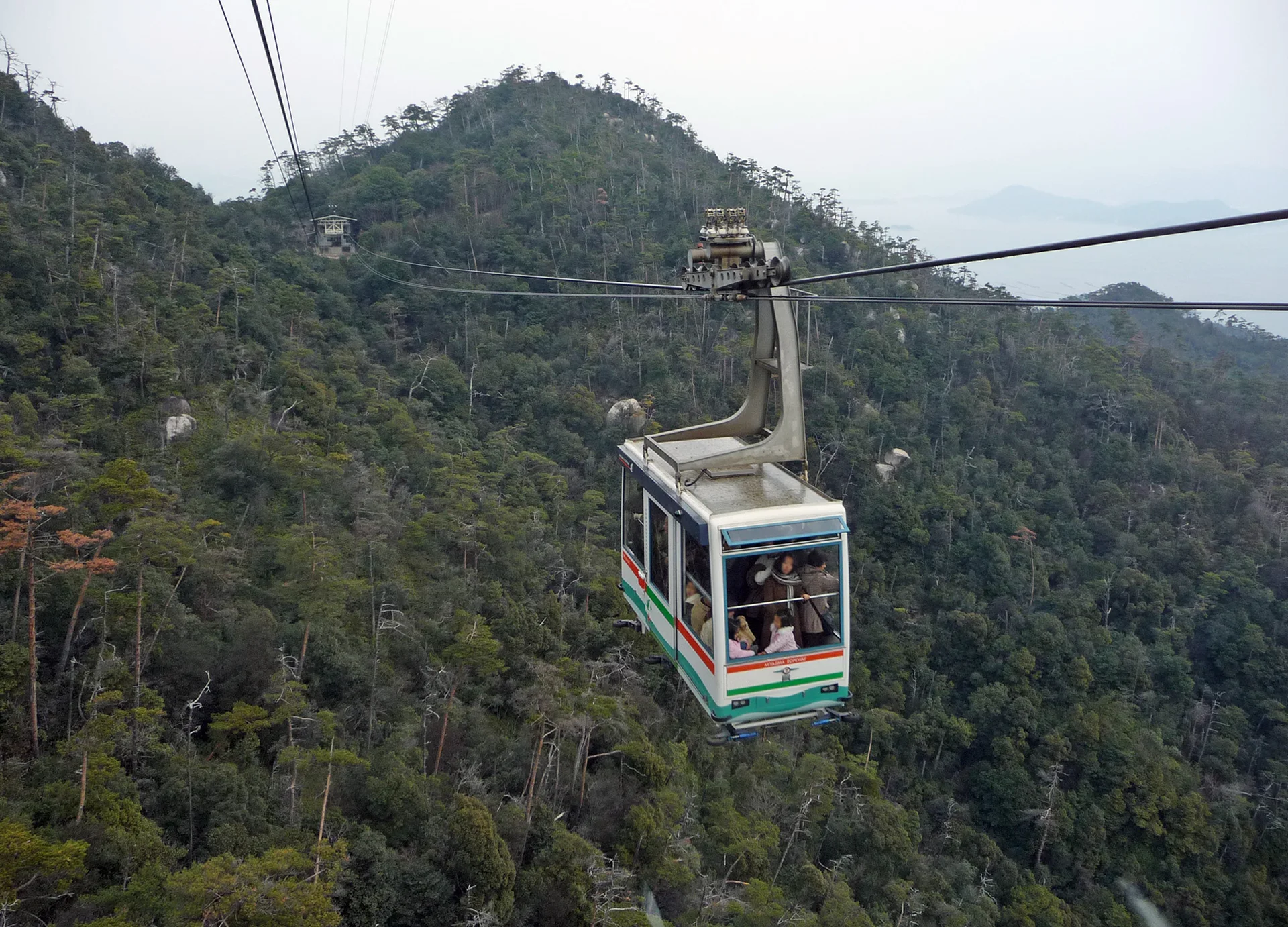
An adult return ticket currently costs ¥2,000; a one-way ticket is ¥1,100. Children of elementary-school age pay ¥1,000 return or ¥550 one way. The first section, Momijidani to Kayatani, takes about ten minutes, and the next section to Shishiiwa about four. Those cabin times are easy to quote and easy to misuse. Walking to the base, waiting for the two sections, looking around Shishiiwa and reversing the journey create a roughly one-hour outing from Momijidani Station even without the summit.
A one-way ticket is a sensible purchase only if the other direction is a planned hike. Saving ¥900 is not a good reason to discover a mountain path at the end of a long day with the wrong shoes. The Misen walking map shows steep slopes and stone steps around the summit. Footing, weather and sunset time should govern the hiking decision. Someone who came mainly for the park can buy no mountain ticket and still make a complete island visit.
The ferry cost is separate. A standard adult crossing between Miyajimaguchi and Miyajima is ¥200 each way, and entry to the island adds a ¥100 visitor tax for most visitors. That makes a simple adult ferry return with tax ¥500. Add the ordinary ropeway return and the combined transport amount is ¥2,500 before any rail or tram journey from Hiroshima. The figures are useful because a mountain day involves both extra cash and a more rigid timetable; the yen total alone does not tell you whether to go up. The Hiroshima–Miyajima two-day plan handles that larger transport allocation.
| Adult transport choice | Ordinary cost | What the amount excludes |
|---|---|---|
| Return ferry plus one island-entry tax | ¥500 | Rail or tram travel to Miyajimaguchi |
| Ferry, tax and return ropeway | ¥2,500 | Hiroshima-side transport, meals and any other admission |
| Ferry, tax and one-way ropeway | ¥1,600 | The deliberate mountain hike required for the other direction |
November 2026 now has named reservation dates
The advance-booking question has changed since the earlier version of this article. The ropeway has now listed ten November 2026 dates requiring a ride reservation: 1, 7, 8, 14, 15, 21, 22, 23, 28 and 29 November. It lists no designated December date at present. The booking rule applies to the date, not to autumn as a whole; a neighbouring weekday can have a different process. If your itinerary uses one of the named days, secure the required reservation before treating the mountain as fixed.
Those dates can still be affected by weather or later operating notices. The ropeway publishes a current operation screen and says specific-day reservations can be made three months ahead. Check that screen near the trip as well as on the day, especially if the mountain is the reason for an early ferry. An old snapshot from August saying that no November dates were listed reflects an earlier planning window, not the current reservation rule. For broader foliage timing, the 2026 Japan autumn-leaf calendar is the right layer of planning; a ropeway booking is the specific transport task after the regional date is chosen.
| Date or condition | What to arrange | What remains uncertain |
|---|---|---|
| 1, 7, 8, 14, 15, 21, 22, 23, 28 or 29 November 2026 | Advance ride reservation for the ropeway | Weather can still suspend service |
| Other November dates | Check the current list before travel | A later notice can change operations |
| Any windy or stormy day | Keep a lowland Miyajima plan ready | Upper views and cabins may not be available |
A reservation does not turn Shishiiwa into a guaranteed clear viewpoint. It only addresses the admission process on crowded designated days. Let the weather forecast determine whether the climb still earns the time. If the island is one stop in a wider autumn route, the mid-November route comparison can prevent the ropeway date from dictating every other city on the trip.
The return cable car is a more useful clock than sunset
Normal uphill service is scheduled from 09:00 to 16:00; the final downward departure is 16:30. The summit walk is not a level promenade beside the upper station. The operator estimates about one hour for the standard Shishiiwa-to-summit-and-back circuit. With photographs, uneven steps or tired companions, the personal buffer should be larger. Do not start the summit just because the last uphill cabin has not yet stopped; decide whether you can return to Shishiiwa comfortably before the final descent.
Shishiiwa is a legitimate end point. For a visitor who mainly wants an elevated sea view, there is no need to turn the outing into a rushed summit checkmark. A clear morning and an early start make the upper trail more attractive. A hazy afternoon with a fixed ferry or hotel dinner makes it less so. The Hiroshima versus Miyajima overnight guide helps show what time an island hotel actually buys; an overnight can remove a city transfer, but it does not extend the ropeway's daily operating window.
The family and mobility decision begins at the base station
The ropeway has no lifts that make a stroller or wheelchair usable through the whole journey. Strollers, wheelchairs and similar equipment cannot be taken into the circulating section in use; visitors are asked to leave them at Momijidani Station. That can change the plan even if a child would enjoy the view. A group relying on wheels all day should decide whether carrying or walking is comfortable before buying a ropeway ticket. Lowland Momijidani and the temple or waterfront route are easier to adapt.
The same reasoning applies to older companions who can walk a park path but would struggle on steep summit steps. Going to Shishiiwa without committing to the summit may still work if boarding is manageable. Hiking down as a substitute for the return ticket is a separate physical undertaking. The park-first plan is not an inferior version of Miyajima: it is often the better way to keep the whole party together and avoid converting a pleasant autumn day into a transport recovery exercise.
Families also need a realistic ferry-to-ropeway timeline. A ten-minute ferry does not mean the mountain starts ten minutes after leaving Miyajimaguchi. The queue, crossing, island walk, base-station approach and optional shuttle each add their own interval. The ropeway's free shuttle to Momijidani Station normally begins around 09:50 and runs approximately every 20 minutes, but check the day's notice. If a family arrives early, walking in the park may be a better use of time than waiting only for the shuttle.
Do not let the shrine tide erase the foliage walk
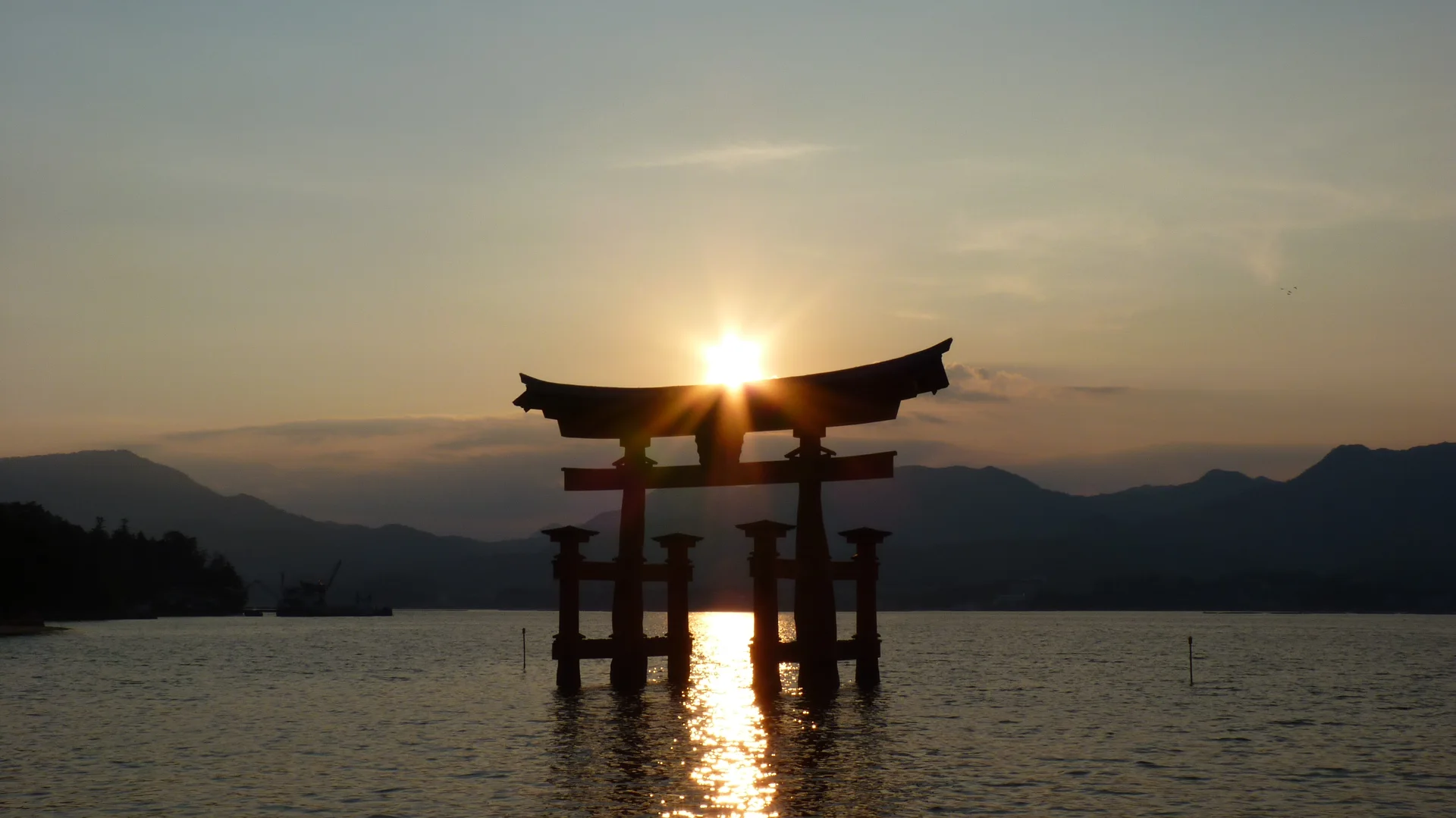
The torii and Itsukushima Shrine appear differently at high and low tide. That is a real reason to check a tide table, but it does not set Momijidani's colour or the ropeway's weather. A plan demanding both tide states, peak maple colour, a Shishiiwa viewpoint and the Misen summit in one day is likely to contain long idle stretches followed by a rushed ascent. Pick the tide scene that matters most and let the other happen only if the timing naturally works.
A visitor with a single Hiroshima day may have to choose between the island and another regional stop. The Onomichi day-trip decision is useful for that opportunity cost; the Miyajima food guide gives a more local way to fill the hours between lowland sights without forcing the mountain. If the trip is built around late foliage, the late-November regional guide provides better context than expecting one exact maple peak to last all month.
A shorter Hiroshima city day may be acceptable if the island matters more, but make that trade consciously. See the two-day city-and-island sequence before buying a ropeway time that consumes the afternoon you had assigned to Hiroshima. Likewise, an island overnight earns its higher room cost when it gives two useful non-transferable windows, such as a quiet evening waterfront and an early park walk. Arriving late and departing on the first ferry may yield little benefit over a Hiroshima room.
If Hiroshima has only one usable sightseeing day, the Peace Park, castle and Shukkeien city circuit clarifies what a full island day would displace. Food can also be the reason to return across the water before dinner; the Hiroshima food route compares city meals with what you can eat on Miyajima. Neither detail is solved by buying an earlier ropeway cabin. Decide whether the mountain is competing with a city museum, a meal or simply unused time.
What remains if the ropeway does not run
Wind, thunder, power interruptions or scheduled maintenance can remove the ropeway from the day. The backup should stay on Miyajima unless the whole island plan has failed. Keep Momijidani as a park walk, then visit Daishoin, Senjokaku, Itsukushima Shrine or the waterfront at a slower pace. A raincoat and appropriate shoes are more useful than a forced replacement trip to another town. You already paid to cross to the island, and the mountain was meant to be an optional upper layer.
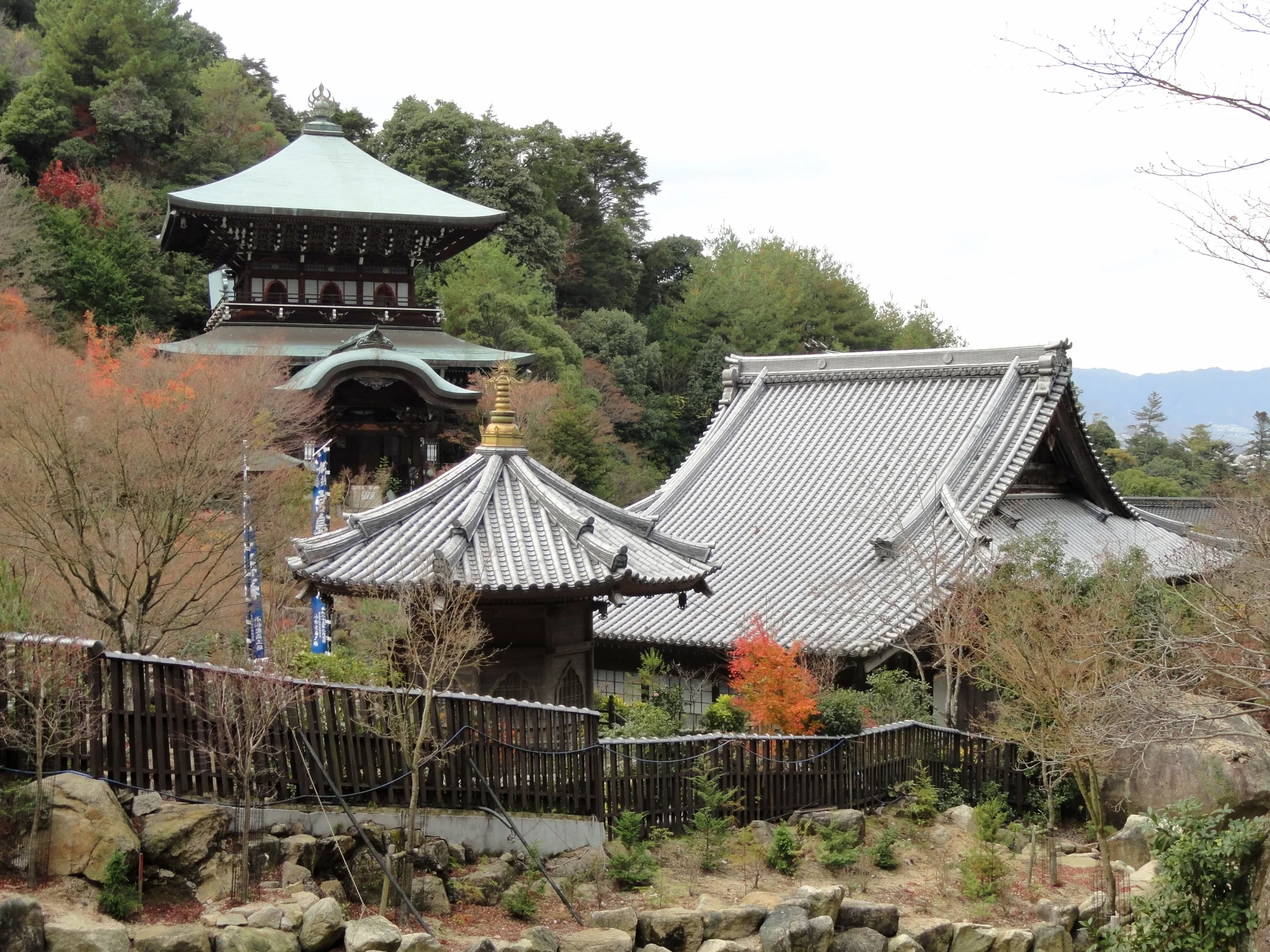
If rain makes the park less appealing, Daishoin offers another spatial and cultural experience without depending on a cabin or summit visibility. That does not mean the temple is an indoor substitute for a mountain; its paths and steps still experience weather. It does mean the day can be rearranged within a compact area. The Miyajima activities overview identifies other island options, while the Nara autumn day-trip guide offers a useful comparison of how a different city spreads foliage across wider locations.
Choose the hotel after choosing the island windows
Staying on Miyajima makes most sense when you will use hours that a Hiroshima day trip cannot easily reproduce: the island after the largest day-trip crowds disperse and a relaxed early start before the next wave. It is less convincing if you arrive after dinner and leave before breakfast. The one-night base comparison breaks down that choice. If an overnight is justified, compare the relevant waterfront and ferry-area rooms on the Miyajima accommodation map against a Hiroshima base rather than assuming an island address is automatically better.
The overnight calculation begins before you reach the ferry terminal. Arriving through Hiroshima Airport or Iwakuni changes the usable first day; the airport-to-city-or-island comparison helps prevent an arrival-day booking that leaves no mountain time. If you are choosing which western Japan city deserves two or three nights, the Hiroshima versus Fukuoka stay guide puts that decision ahead of the ropeway ticket.
Late-season travel creates a different question. The December foliage alternatives help if Miyajima's colour window has passed, while the seven-day regional itinerary shows how much moving between leaf regions can cost. These wider plans matter most when the island is one of several stops, because a scheduled ropeway day should not force an unnecessary hotel move elsewhere.
Do not book an expensive island room only to guarantee a clear summit view; a hotel cannot control the next day's wind. Book it if the ferry timetable and the lowland evening or morning are already reasons to stay. A day-trip visitor can still make a strong autumn visit with an early crossing and a mountain decision after checking the live operation notice. That flexibility is the main advantage of separating Momijidani, Shishiiwa and the summit at the planning stage.
Before departure, verify the dated ropeway operation and reservation list, the fare and final-return time, and the ferry fare with visitor tax. On a designated November date, reserve the cable car; on any date, let visibility and the 16:30 final descent decide whether Shishiiwa or the summit belongs in your day. Momijidani and the lower island remain the part of the plan that can succeed across the widest range of autumn conditions.