
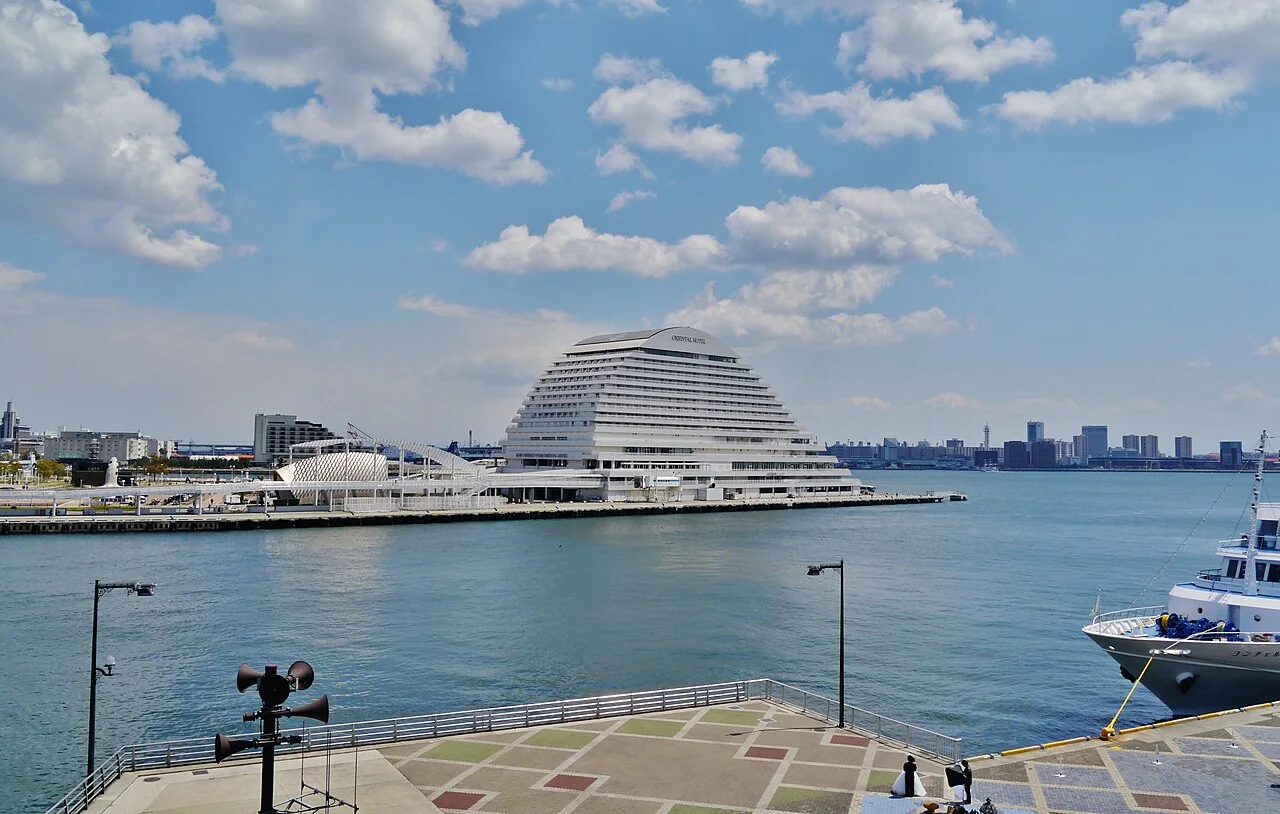
Kobe's waterfront can make an ordinary December hotel search look like a view contest. That is an incomplete way to book an event night. The city tourism calendar lists a Port Weekend Fireworks programme for 5 December 2026, while its Nunobiki Christmas market runs through 25 December. The calendar places the next Luminarie in late January and early February 2027, so a December room should not be sold to yourself as a Luminarie base. Hotel Okura Kobe and Kobe Meriken Park Oriental Hotel both put the harbour close to the room. The useful question is which route, room direction and next-morning plan you are buying for the date that actually matters.
Swipe through the hotels
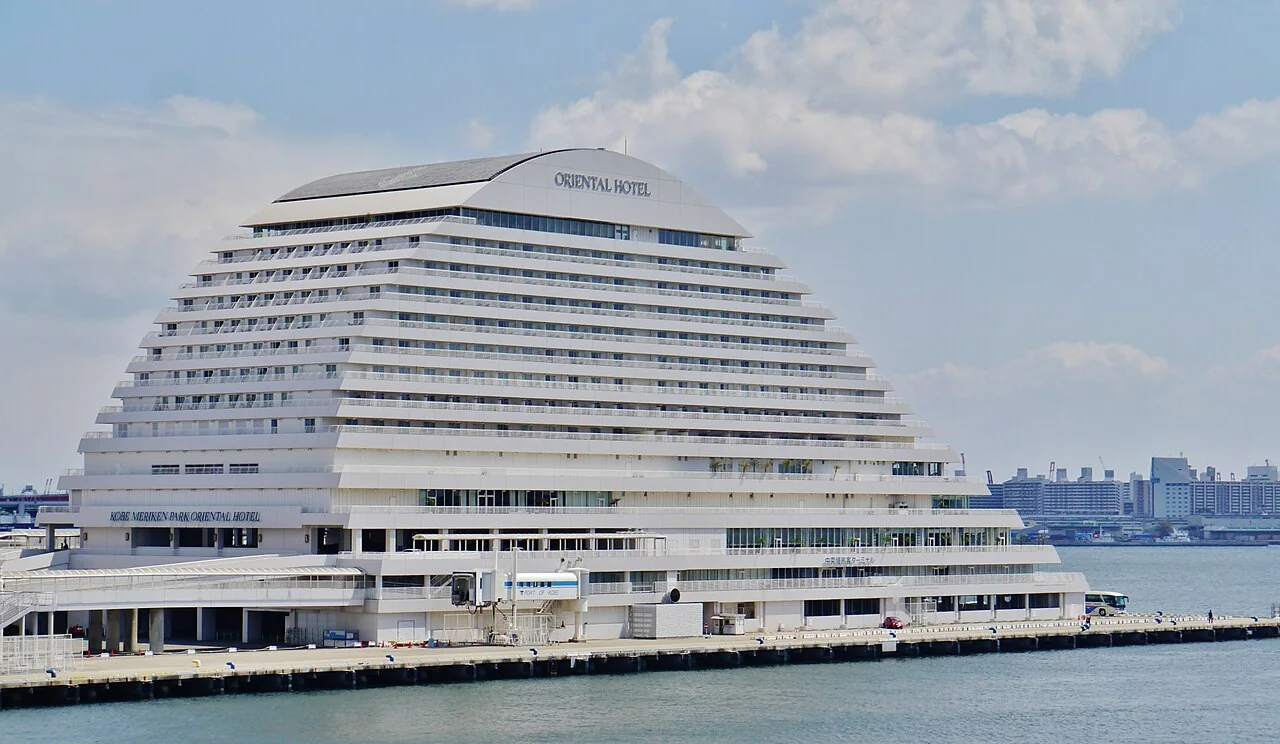
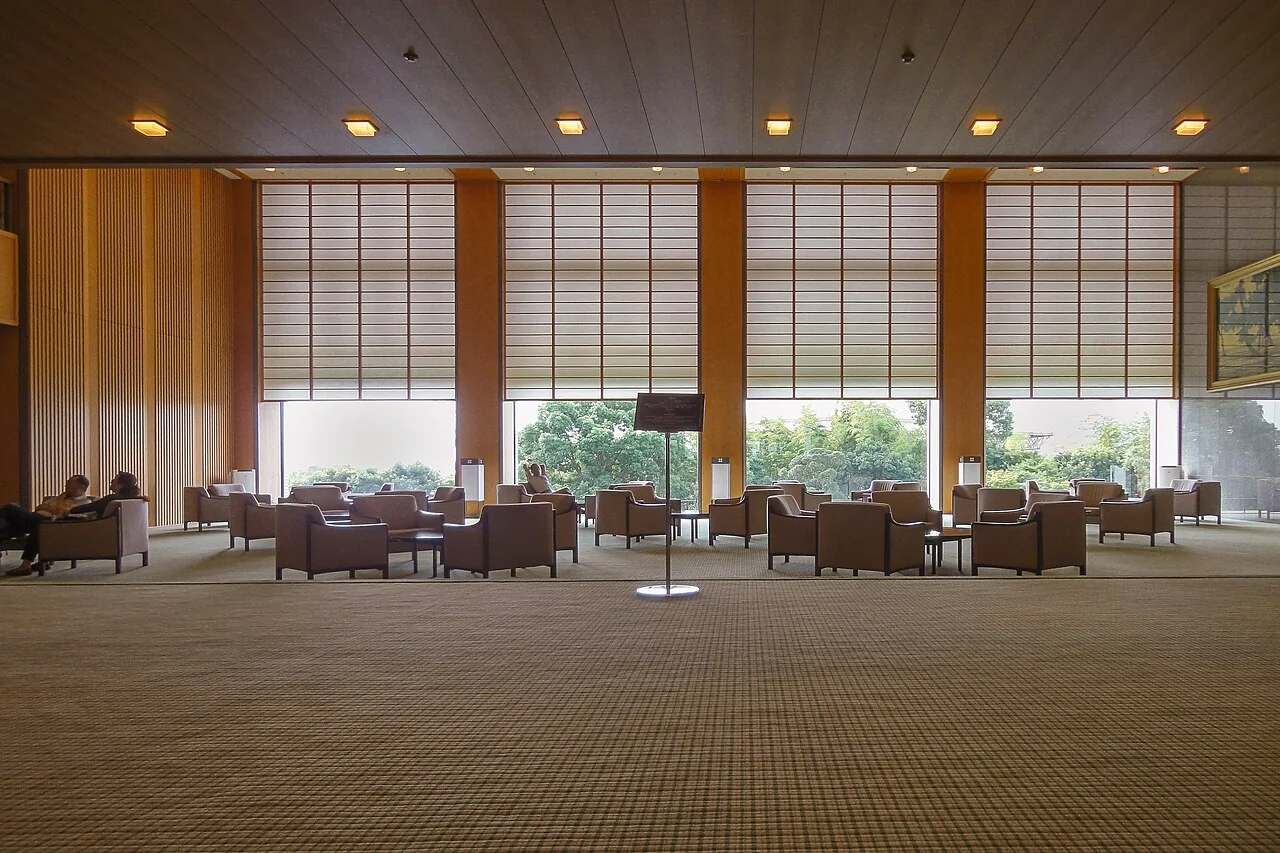
This decision begins with an event time, not a list of amenities. Check the official programme again when making payment and shortly before travel. Fireworks can be weather-dependent, and a hotel balcony or window does not guarantee a view of the launch position. The Oriental's operator describes balcony rooms and view directions; Okura publishes room orientations as well. Neither statement means every available room overlooks the exact event. If seeing fireworks from the room is the reason for the booking, ask for written confirmation of the category and sightline. A public waterfront viewing spot can be the safer plan when the room name is vague.
Choose the evening you are actually having
There are at least three versions of a Kobe harbour night. In the first, you watch the event outdoors, have dinner nearby and return to the hotel on foot. The room is a warm, close end to the evening; its window view is a bonus. In the second, the room itself is the occasion: you want a balcony, privacy and time to watch the water. That makes view direction, floor and weather protection central to the purchase. In the third, Kobe is a day trip from Osaka and you may not need a harbour room at all. The Kansai seven-day Osaka-base itinerary is useful for testing whether an additional hotel move buys enough evening time to justify it.
The Oriental is physically designed around the port setting. The hotel publishes access details including a shuttle route between Sannomiya and the property, and its room guide distinguishes waterfront outlooks. Okura has its own Sannomiya shuttle and room-view categories, with a different building and grounds experience. Check the current shuttle timetable for your exact arrival and departure. A shuttle that ran in the afternoon is not a promise of a late return after dinner. If the event ends after the last convenient service, decide whether you will walk, use local transit or take a taxi before you pay for a harbour address. The Kobe Sannomiya versus Shin-Kobe base guide shows why neither harbour hotel should be confused with a room beside the main rail hubs.
| Your December evening | Stronger question for the Oriental | Stronger question for Okura |
|---|---|---|
| Outdoor fireworks then dinner | Does the chosen room's port location reduce the return walk? | Is the chosen room and dining plan worth the remaining walk? |
| View from the room | Is the precise balcony direction confirmed? | Is the precise room orientation confirmed? |
| Late Sannomiya arrival | Is the shuttle still running, or is a taxi simpler? | Is the shuttle still running, or is a taxi simpler? |
| Early train next morning | How will the group reach the station with luggage? | How will the group reach the station with luggage? |
| Quiet non-event night | Will you use the balcony and waterfront setting? | Will you use the room, grounds and service enough to justify the rate? |
The table is intentionally about questions, because no two rate offers include the same room. A named balcony category at the Oriental can be a different purchase from its entry room. A higher Okura category can change the view and space. Do not compare the lowest displayed nightly prices while imagining the best published room photograph at each property. Read the full room name, maximum occupancy and the hotel's wording for the view. If the rate is non-refundable, the cost of an uncertain sightline is real.
The view needs two checks. First, confirm what the room faces: harbour, city, another side of the building or a partial angle. Second, check whether the event's viewing geometry is known. A water-facing room can be lovely yet point away from fireworks, and a balcony can be cold or windy enough that the group prefers watching from indoors. Photographs on a booking page often show the best rooms in a category, not the exact room assigned to you. If the view carries a large supplement, ask the hotel what the category guarantees in writing. If the answer remains broad, treat the supplement as payment for a general waterfront experience and plan to watch the event from a public location. That turns a possible disappointment into a reasonable choice.
For a budget trip, compare the entire Kobe night with keeping an Osaka room. The Osaka seven-day budget itinerary can help price the accommodation move alongside food and transport. A second hotel may mean paying for a larger suitcase locker, leaving an unused Osaka room or moving everyone before the day begins. It can also buy a much more relaxed late evening and remove the pressure to catch a return train. Put those gains and costs on the same line. The cheapest listed harbour room is not automatically the cheapest way to enjoy Kobe, and a more expensive room can be efficient if it replaces a late return that the group would find exhausting.
The harbour is not the whole city
If dinner is in Sannomiya, a harbour hotel may add a late transfer after the meal. If dinner is around Meriken Park, it can remove one. The Kobe budget food guide is a reminder that a good meal may be in a district chosen for food rather than for a waterfront photograph. A traveller planning a sake-tasting afternoon in Nada should use the Nada Gogo brewery route to calculate the return, then decide whether the hotel is still near the evening's final stop. A hotel is well located only in relation to the actual places you will visit.
For a family, the daytime attraction may be more decisive than the event. The Kobe Animal Kingdom ticket assessment puts time and transport into that choice. The átoa aquarium value guide addresses a different, central visit that can fit before a harbour walk. Either one can shape the afternoon, but trying to fit both plus fireworks, a long dinner and a late hotel check-in into one day produces a brittle schedule. Choose one substantive daytime block and give the waterfront the remaining time. In December, darkness arrives early enough that an outdoor walk can be atmospheric without waiting until bedtime.
The Nunobiki Christmas market is not on the same doorstep as Meriken Park. Treat it as an uphill, separate trip with its own access and closing arrangements. A guest who wants the market first and the harbour later needs a route between them; a harbour hotel does not make that transfer disappear. The Osaka day-trip comparison for Kobe and other Kansai stops helps decide whether this is a full Kobe day or a late add-on to another city's itinerary. If the market is the sole purpose, consider whether a Sannomiya or Shin-Kobe base would serve it more directly than either of these harbour properties.
Seven hotel signals, then the room you can buy
↔ Scroll table left or right
| Dimension | Kobe Meriken Park Oriental Hotel | Hotel Okura Kobe |
|---|---|---|
| Location | 9.3/10 | 9.2/10 |
| Room | 9.0/10 | 9.1/10 |
| Bath | 7.9/10 | 8.3/10 |
| Breakfast | 9.2/10 | 9.1/10 |
| Service | 8.7/10 | 9.2/10 |
| Cleanliness | 8.8/10 | 9.1/10 |
| Facilities | 8.6/10 | 8.9/10 |
The score pattern is mixed rather than a sweep. The Oriental has a strong harbour-location and breakfast signal; Okura scores well for room, service, cleanliness and facilities. These numbers describe broad past stays. They do not tell you whether the offered room faces the event, whether a balcony will be comfortable in December or whether breakfast can be taken before a train. Use them to identify what to inspect more closely. When the rates are close, the room's exact view and the return route from your evening are more discriminating than one or two tenths on a general rating.
The bath dimension is especially easy to overread. It is a guest-room and bathing experience signal, not a promise of a public hot spring or a particular tub in the category you book. A traveller whose winter comfort depends on a certain bath type should examine the room description and ask the hotel. Likewise, a high breakfast number does not make a meal included in a room-only price. Separate room, meal and view charges before comparing totals. The December weather guide can help decide whether you really want to spend a long period outside, which in turn changes how much weight to put on a waterfront room.
Make an event-night plan that survives a cancellation
Fireworks are a strong reason to choose a date, but they are a weak reason to make the rest of the stay unappealing if conditions change. Before paying a strict rate, list what you would do if the fireworks did not run. A waterfront walk, dinner and an enjoyable room may still make the night worthwhile. If the room was selected only for a ten-minute view, the same rate may feel very different. Ask whether the booking can be changed, and read the deadline in the hotel's time zone. A local event cancellation does not automatically cancel a hotel reservation.
| Before paying | Evidence to keep | Why it matters |
|---|---|---|
| Official event listing | Date, place and update channel | It distinguishes the confirmed 5 December programme from assumptions about other weekends |
| Exact room category | Bed setup, balcony or view wording | A hotel name alone cannot guarantee a sightline |
| Cancellation deadline | Date, time and penalty | Weather or changed travel plans may not excuse a strict rate |
| Return transport | Shuttle end time and taxi alternative | A late harbour evening can outlast the convenient service |
| Next morning | Breakfast opening and station route | A scenic night should not create a rushed departure |
If the trip has several Kansai cities, consider the cost of moving bags into Kobe for one night. The Osaka hotel guide for Kyoto and Kobe day trips shows the advantage of staying put when the travel party values simple mornings. The Osaka couples itinerary gives a different reason to make a Kobe night intentional: the evening can be one of the trip's principal experiences rather than an awkward extra check-in. Solo travellers may reach another answer; the Osaka solo week plan illustrates how an uncommitted evening can be valuable in its own right. Hotel moves should support a real night, not merely add a harbour address to the accommodation list.
The morning after decides whether to sleep by the water
If you leave for another region early, identify the train and station first. Both properties require a journey from the harbour to the rail network, and that journey should include luggage, checkout and possible shuttle waiting time. A 09:00 train is not a 09:00 hotel departure. If you can leave late, the harbour morning becomes part of the purchase: breakfast, a quieter waterfront walk and time to use the room. The four-day Osaka–Kobe–Koyasan route is a useful example of why the following destination can dictate the night-before base. In a compressed route, the early transfer may erase much of the harbour hotel's appeal.
Travellers in a group should decide whether everyone wants the same morning. A couple may enjoy a slow breakfast; friends may split for shopping, a museum or a direct departure. The Osaka itinerary with friends illustrates the value of not moving as one unit all day. A harbour hotel can support that flexibility when checkout and luggage storage are clear, but it can also create a rendezvous problem if half the party has already gone toward Sannomiya. Agree on the bag plan before reserving separate activities.
The late-night food plan deserves the same precision as the room view. A hotel restaurant may offer a special December menu, but a room reservation does not reserve a dinner table. A nearby restaurant may close earlier than expected after an event, and a popular waterfront place may require advance booking. Identify one restaurant you genuinely want, check the current menu and last order for the exact date, and keep a simpler fallback that does not require crossing the city. If a late dinner is the centre of the evening, it may be sensible to choose the hotel closest to that confirmed table rather than the hotel with the marginally stronger harbour photograph. Conversely, if the group will eat before the fireworks, a return walk to either property can be a comfortable end to the night.
There is also an accessibility question hidden inside “walkable.” A short harbour path can feel long in cold wind, with a buggy, or for someone who needs to avoid steps. Check the route from the viewing area to the actual hotel entrance, not merely to the edge of its grounds. Ask the property about step-free access and a suitable room before paying a strict view rate. The shuttle helps only while it is operating and only between its stated stops. A taxi may solve the final leg, but on an event evening it should be a backup whose pickup point you have identified, not an assumption that a car will appear at the door the moment the crowd disperses.
I would choose the Oriental when the waterfront itself is the evening's purpose and the specific balcony or view category has been verified. I would choose Okura when its actual room and service offer make a fuller hotel stay, with the harbour accessible but not required to be framed by the window. I would skip both for a one-night transit stop that ends with an early train unless the night by the water is a deliberate priority. Most of all, use the official 2026 calendar: the December harbour fireworks and Christmas market are real planning anchors, while Luminarie belongs to the following January–February programme. The three-, four- or five-day Osaka itinerary can help decide whether Kobe earns its own night inside the wider Kansai schedule.