
A traveler leaving Sannomiya for Kobe Animal Kingdom should settle the rail ticket before buying zoo admission. Adult admission is ¥2,400, but the Port Liner package, which also includes a return journey on that line, is currently ¥2,400. If the train is how you will reach Port Island and come back, a standalone admission purchase leaves you paying separately for transport that the same-price package already covers. The arithmetic is straightforward; the location of the ticket counter and your actual route are what make it easy to miss.
The park itself merits more than a quick ticket comparison. Its close animal encounters, capybara feeding, bird flight shows and planted indoor areas work well as a three-to-five-hour Kobe anchor. A family can easily spend longer if children want several interactions. That is a different day from taking a harbour walk with one compact indoor stop. Before arranging the railway bundle, decide whether the animals are the main purpose of the day. The átoa aquarium-art decision shows why a short harbour attraction and a Port Island half-day should not be treated as interchangeable.
Buy for the journey you will take, not the admission headline
The current regular admission bands are ¥2,400 from age 13, ¥1,200 for elementary-school children, ¥500 for four- and five-year-olds, and ¥1,900 for visitors aged 65 or above. The Port Liner return-and-admission package uses the same ¥2,400, ¥1,200 and ¥1,900 prices for those eligible groups. A four- or five-year-old needs a separate child admission because the rail package does not cover an age band that normally rides the train without a fare. These details matter when a family compares a single online voucher with a station-bought bundle.
| Starting route | Ticket to price first | Why |
|---|---|---|
| Sannomiya to Port Island and back by Port Liner | ¥2,400 adult Port Liner return plus park admission | It currently matches the admission-only price |
| Eligible Hanshin journey from Osaka or Kobe plus Port Liner | ¥3,000 adult Hanshin–Port Liner–admission package | The longer rail journey can be included, subject to its route conditions |
| Car, Port Island hotel, or transport already paid | Regular admission or a valid digital admission ticket | A return train component may have no value |
| Family with a four- or five-year-old | Check child admission separately | The package has no preschool train-fare component |
The Hanshin package costs ¥3,000 for an adult, ¥1,500 for an elementary-school visitor and ¥2,500 for a senior. Its sales points and covered railway segment are specific, so price it before you enter the rail system. It can be attractive if the day starts on Hanshin in Osaka-Umeda or Osaka-Namba; a traveler holding another rail pass or arriving by JR must compare the actual legs. A cheap-looking electronic admission ticket is not automatically cheaper after the Port Liner fare is added. The Osaka hotel base for Kobe day trips helps identify which railway you are likely to use before purchase.
Both rail packages are listed as cash purchases at their designated counters. The Port Liner package is sold at the Sannomiya Port Liner information point near the ticket machines and at Kobe Airport's station information window. The longer Hanshin set has selected stationmaster or ticket-office locations. A traveler who taps through the gates before buying should not assume the journey can be retroactively converted into a package. The current admission and bundle list gives the age bands and sales points.
Port Island is a half-day location
From Sannomiya, take a Kobe Airport-bound Port Liner train to Keisan Kagaku Center, the stop signed for the animal park. The journey is about 14 minutes on board, and the north entrance is reached from the station. The difference between a 14-minute ride and a realistic half-day is everything that happens after the gates: visitors wait for a show, move between indoor and outdoor areas, queue for a chosen encounter, feed an animal, pause for lunch and return to the line. Allow three to five hours when those experiences are why you came.
A fast two-hour circuit is possible, but it is a different purchase. If the only goal is a capybara photo or a single bird show, the full admission and Port Island round trip may feel disproportionate. A Kobe day with limited hours might be better spent around Sannomiya or the harbour. Compare the Osaka–Kobe–Koyasan route if this is one stop among several intercity days, and leave another timed Kobe attraction out unless there is genuinely time to linger at the park first.
A one-base seven-day Kansai itinerary can use Kobe as a single full excursion without changing hotels. That does not mean every Kobe attraction must fit into the same day. Put the animal park first if an encounter is the priority, then choose an easy dinner stop rather than reserving another admission that competes with the last train.
The venue describes roughly 70 percent of its space as indoors. That is a strong reason to preserve the animal park when rain makes a harbour walk less pleasant. It does not guarantee every outdoor zone, bird performance or feeding session will run. Weather, heat and animal condition can change a programme even while the park remains open. Families who care about one specific encounter should check that session as carefully as the calendar. For a broader rainy Kansai day, the Osaka indoor choices may be a better fallback than commuting to Kobe solely because the park is largely covered.

October's shows differ from the old summer schedule
The summer suspension of the Buddy dog-sports performance has ended. Buddy resumed on 28 September 2026 and is now listed at 13:30; Wings bird flight is listed at 11:30 and 15:00. That changes a late-October family plan: a child who wants to see both performances can build a mid-day circuit around Wings, Buddy and an afternoon interaction rather than treating Buddy as unavailable. The timetable is still subject to change for weather and animal welfare, so read the current event board before committing to a meal or train time.
Some hands-on experiences allocate numbered tickets shortly before a session. Contact-animal activities may issue tickets about 20 minutes before they begin; some feeding or rides use a 30-minute lead. Capacity can be exhausted before the nominal start, especially on a busy weekend. Decide which encounter matters most, then structure the rest of the park around that one. The daily performance and interaction schedule is more useful than a fixed show list saved from August.
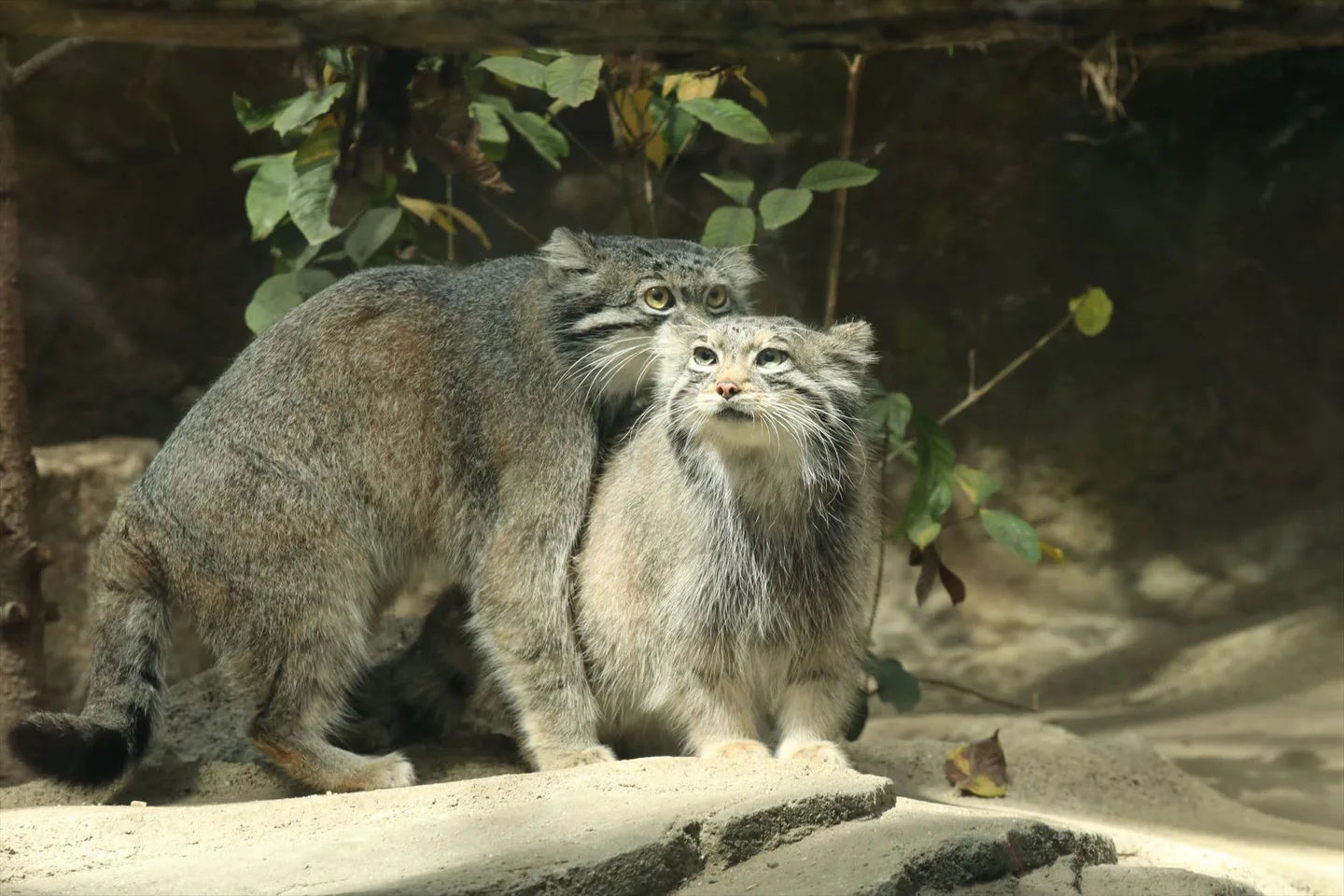
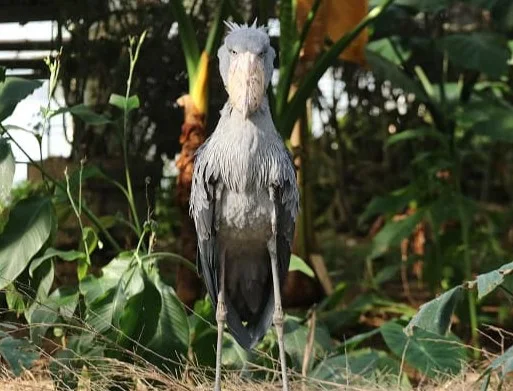
The attraction is built around close observation. A capybara interaction is very different from seeing a distant enclosure; the shoebill and bird displays offer another pace; the outdoor animal areas change the rhythm again. It is not a safari-scale zoo, and it should not be sold on the expectation of vast habitats. If the family wants multiple animal encounters, it earns the half-day. If adults mostly want an urban Kobe walk with one short admission stop, átoa has a more flexible harbour location; the Kobe food-route comparison can then finish the day near the station rather than pulling everyone back across Port Island.
For a group debating an Osaka animal or aquatic excursion, NIFREL at Expo Park is another smaller-format encounter whose access time matters, while Kaiyukan's timed-entry plan suits visitors who want a larger aquatic collection. Kobe Animal Kingdom earns its place through live interaction and shows. The attractions differ in location and pace enough that admission price alone does not rank them.
There is a current exception for capybara fans: the capybara family display in Pantanal has been temporarily suspended since 23 October 2026 while the shared habitat is prepared for other animals. The park has not given a reopening date for that family group. Other encounter listings can change separately, so check the current capybara notice and the day's interaction board before promising a child the particular group shown in older photographs.
Build a family budget beyond the first gate
Feeding, rides and selected hands-on sessions can add small charges. A single inexpensive feed does not change the trip budget, but several children choosing repeated activities can. Give each child one or two priorities before entering, so the group has room to enjoy them without negotiating every sign on the path. Meals also take time and money; bringing a fixed departure time too close to the lunch period can turn a relaxed park into a rushed procession.
Strollers and wheelchairs are available under the venue's service rules, but do not assume an unlimited supply during a holiday. Children of elementary-school age or younger must not enter alone. The walking surfaces and animal areas require close supervision, and the park prohibits flash photography and feeding animals with food brought from outside. These are practical limits on the interaction-centred visit, especially for a group that is comparing this park with a conventional aquarium. The Osaka family itinerary helps avoid placing another demanding attraction immediately before or after this half-day.
Drivers face a different ticket calculation because the Port Liner is irrelevant. The venue's parking has finite capacity and can fill on weekends or long holidays. Current standard parking is ¥700 on a weekday and ¥1,000 on a weekend or public holiday for an ordinary car. Paying admission only can be right for a driving family, but traffic and parking should be included in the comparison. A Port Island hotel guest who can reach the park without a return rail journey should likewise compare a plain admission ticket with any pre-purchase option on its own terms.
Check the calendar by date, not by a weekday rule
The park often closes on Thursdays, with exceptions for public holidays and high-demand periods. The October 2026 calendar lists closures on 1, 8, 15, 22 and 29 October while most other days run 10:00–17:00. That is more useful than copying a blanket “closed Thursdays” line into every future month. Check the exact date when you are arranging the railway set, and check again if a weather or maintenance notice appears. An advance admission voucher does not make a closed day usable.
A digital admission ticket can still be convenient when no rail package matches your journey. Its value is settled payment or a specific cancellation term, not a universal discount. Terms on third-party products change, so compare the actual paid total, validity, and cancellation window before buying. The summer Green Fes cited in older drafts ended on 31 August. The current seasonal programme is Autumn Kingdom, 9 October–8 November 2026, with cosmos planting and optional plant activities. Those displays can add to a park day selected for its animals; they do not change the ticket arithmetic.
If the Kobe portion of the trip includes a second day, place that day in a different district. The Nada Gogo brewery route works for interested adults but should not be bolted onto a child-led animal afternoon. A couple might instead keep the harbour evening, as in the Kobe night within an Osaka-based week. The Sannomiya versus Shin-Kobe hotel choice matters if you will return late or board an early Shinkansen; a room near the wrong station can erase the time you saved with the admission bundle.
In December, the harbour after dark can become a separate reason to remain in the city, as the Kobe harbour hotel comparison shows. The seasonal evening should not be confused with more animal-park time: the two districts and operating windows are different. If you have only one afternoon, finish the animal visit before choosing an evening return route.
One Kobe day has room for one main animal stop
Kobe Animal Kingdom is strongest for visitors who want close-range animals and can give the park half a day. átoa is a different, more compact indoor choice near the harbour. Trying to do both can work only when the second attraction is genuinely wanted and the first ends on time; it is rarely necessary just because both show up in a Kobe search. The átoa format and ticket guide helps decide whether art-led aquatic displays or live interaction is the better fit.
A traveler based in Osaka has another decision before the zoo: is Kobe the best use of that day compared with Kyoto, Nara or Himeji? The Osaka day-trip comparison handles that city-level choice. If Kobe wins, plan around the show and ticket package, then keep the evening simple. A family can return to Sannomiya for dinner; a couple can spend an hour at the waterfront. Neither group needs to squeeze a second large paid venue between the park and its train home.
For children travelling across several Kansai days, the Osaka age-and-weather attraction guide is useful before you decide that every rainy day requires a ticket. A seven-day budget plan, such as the Osaka–Kyoto–Nara–Kobe itinerary, also shows how quickly small paid add-ons accumulate. Kobe Animal Kingdom can be the one major animal day without making every following day another admission purchase.
For a Sannomiya return journey, price the ¥2,400 Port Liner set first. For an eligible Hanshin rail start, test the ¥3,000 longer bundle. Use admission alone when those train components have no value. Then check the exact operating day, the current Wings and Buddy times, and the one encounter your group would regret missing. That sequence protects the money and the half-day. The animal park's dated opening calendar, station route and ticket bands are the live details to use on the travel date.
Animal Kingdom works most easily as a Port Liner outing from Sannomiya. If Kobe is your overnight stop, see rooms around Sannomiya and allow for the walk between your hotel and the line you will actually use.