
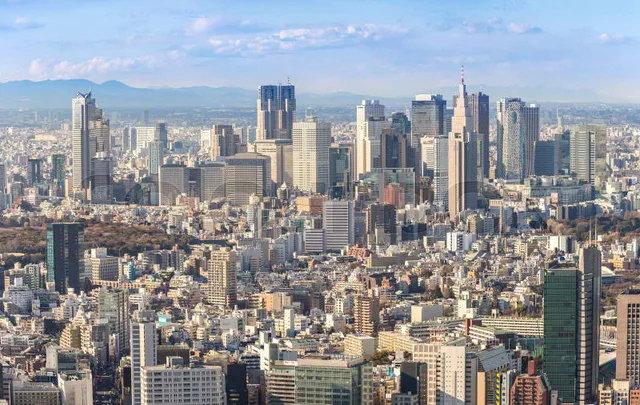
A helicopter is a poor purchase if the only goal is to see Tokyo from above. Observation decks offer a long look at the skyline for a fraction of the fare. A flight makes sense when the moving viewpoint, privacy or a particular occasion is the experience. Decide which of those you are buying before comparing ten and thirty minutes; the flight length alone does not explain the price.
The current Tokyo flight listings illustrate the scale. A ten-minute Discovery charter from Tokyo Heliport is ¥59,800 for up to three passengers. Fifteen minutes is listed at ¥91,500, twenty minutes at ¥121,000 and a thirty-minute city flight at ¥183,000. The night market is not simply the daytime price plus a lighting fee: a twenty-five-minute Funabashi flight starts at ¥123,000, while a five-seat thirty-minute Tokyo Heliport sunset/night product is ¥346,500. These are dated inventory examples, not fares guaranteed for every departure or aircraft.
First decide whether a flight beats a fixed view for you
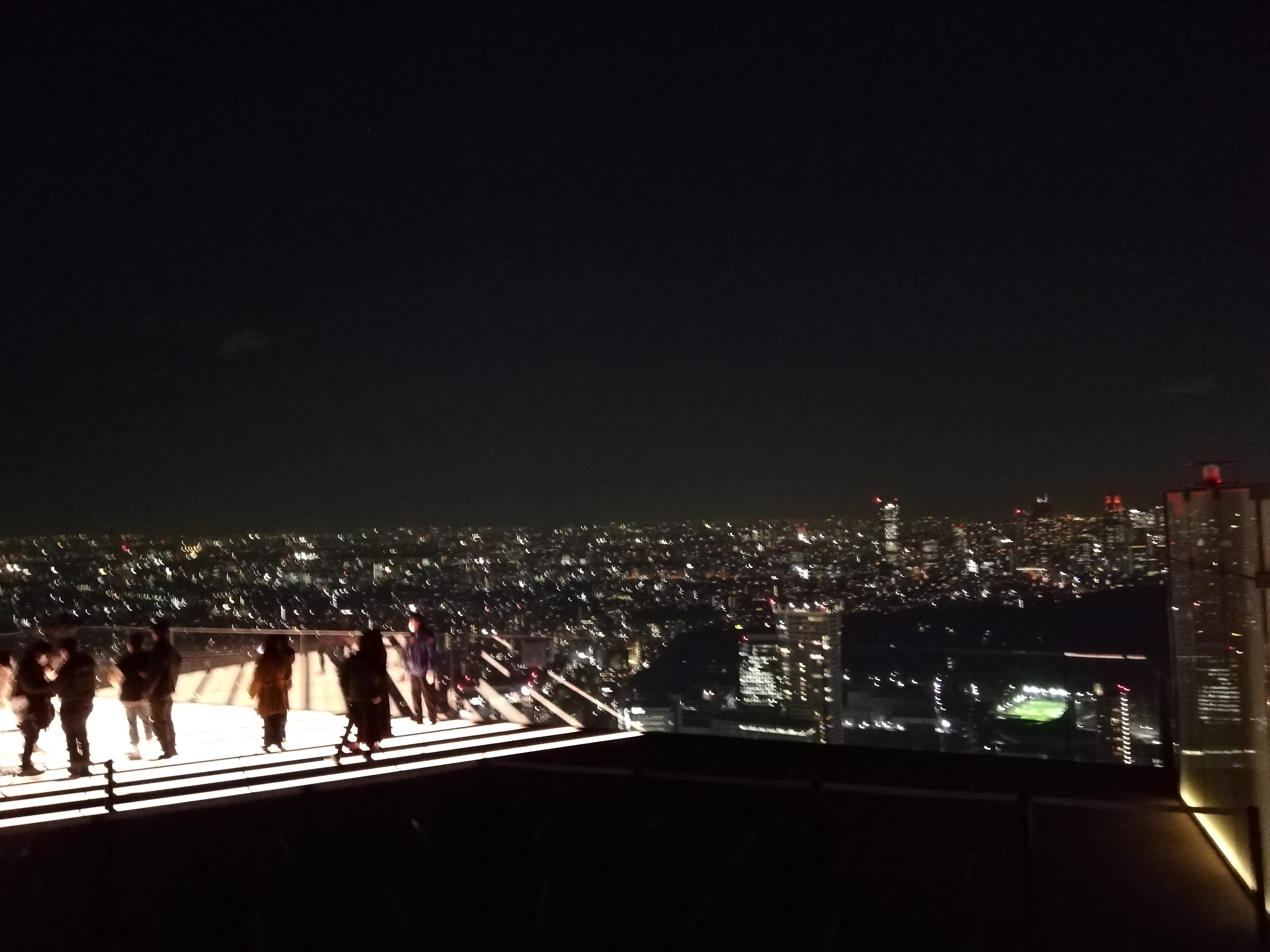
Imagine replacing the flight with a ticket to SHIBUYA SKY or Tokyo Skytree. If the memory you want is still the same skyline photograph, take the deck. If you want to watch the city change beneath you while you cross the bay and turn toward towers, the deck is a different product. The Tokyo observation-deck comparison helps choose among fixed viewpoints, and the SHIBUYA SKY sunset guide helps price the alternative at the time you actually want to visit. A traveller mainly seeking a night photograph may also find the Odaiba waterfront view among Tokyo's free outings sufficient.
| What you want | Better first choice | Why |
|---|---|---|
| A skyline photograph and time to compose it | Observation deck | Longer viewing time and a fixed location |
| Changing geography and the sensation of flight | Helicopter | The motion is the part a deck cannot provide |
| Private proposal or anniversary | Private charter, if the weather risk is acceptable | Privacy and occasion can outweigh ordinary sightseeing value |
| Rigid evening with another prepaid event | Observation deck or a different day | A flight delay can disturb the entire sequence |
That choice is also a use-of-time decision. A first Tokyo stay of only three or four full days has more competition for each half-day than a week-long visit. See how many Tokyo days the main sights consume before dedicating one of them to reaching a heliport, checking in, flying and returning. A quick flight is not automatically a quick outing.
Ten, fifteen, twenty or thirty minutes?
The ten-minute Discovery flight is a trial. It lowers the total spend and lets someone experience takeoff, a short circuit and landing. Its description points anniversary and broader Tokyo-sightseeing customers toward at least fifteen minutes. At the published examples, the effective charter price per airborne minute sits near ¥5,980 for ten minutes, ¥6,100 for fifteen and ¥6,050 for twenty. The short option is not a large per-minute discount; it is a smaller total commitment.
At fifteen minutes, the first-timer route has more time to develop than a trial circuit. Twenty minutes can justify itself when a specific extended turn or area is on the current route; read the route description instead of assuming five more minutes create a different experience. Thirty minutes buys a broader city flight and a much higher total. The separate night-flight route comparison is useful when a long night itinerary is under consideration, because departure point and actual route differ even when durations look similar.
| Day charter example | Current listed flight price | Up to three travellers, each if full | Best use |
|---|---|---|---|
| 10 minutes, Tokyo Heliport | ¥59,800 | About ¥19,933 | Try a flight without buying a long circuit |
| 15 minutes, Tokyo Heliport | ¥91,500 | ¥30,500 | First substantial city overview |
| 20 minutes, Tokyo Heliport | ¥121,000 | About ¥40,333 | More route time when the listed path appeals |
| 30 minutes, Tokyo Heliport | ¥183,000 | ¥61,000 | Longer city flight when the occasion warrants it |
Those per-person figures assume all three permitted places are used. A couple pays the same charter total for many of these products and therefore a higher amount each. Empty capacity is not necessarily waste: two people planning a proposal may value being alone more than a lower per-head calculation. Three friends making a sightseeing purchase have a different reason to fill the aircraft. Check the actual passenger limit and loading rules on the selected aircraft; do not infer them from a general city listing.
Night prices depend on where and what you board
Compare two night listings before deciding that thirty minutes costs nearly three times twenty-five. A Funabashi twenty-five-minute three-seat charter currently starts around ¥123,000. The Tokyo Heliport thirty-minute sunset/night product is listed at ¥346,500 for a five-seat aircraft. The aircraft, departure geography, capacity, route and timing all changed. Treating that as the price of five extra airborne minutes would misread the purchase.
Daylight makes the city legible: the bay edge, rivers, expressways, parks and tower clusters can be understood as one geography. At night, bright commercial areas, bridges and illuminated towers dominate while the quieter urban grid recedes. That can be exactly right for a celebration, but it is less useful for learning the map. Sunset appears to offer both, yet the particular light is also the hardest part to recover if weather postpones the flight.
| Decision | Day flight | Night or sunset flight |
|---|---|---|
| Reading Tokyo's layout | Strong: districts and water edges remain visible | Weaker: lights simplify the geography |
| Photographs | City detail is easier to recognise | More dramatic contrast, with more movement and low-light limits |
| Occasion | First flight or shared sightseeing | Anniversary or proposal atmosphere |
| Schedule resilience | Several daylight slots may suit a flexible day | Desired sunset light cannot be moved to another hour |
The route advertised in a listing is a plan, not a promise of one photograph. Wind direction and air-traffic needs can change the track, especially around Haneda flight paths. A helicopter is a good way to experience a changing aerial city. If one exact angle of Tokyo Tower is the sole reason to pay, a fixed viewpoint is more predictable. Compare Tokyo areas that fit together before making the heliport the hinge of a crowded city day.
The cost extends beyond the charter
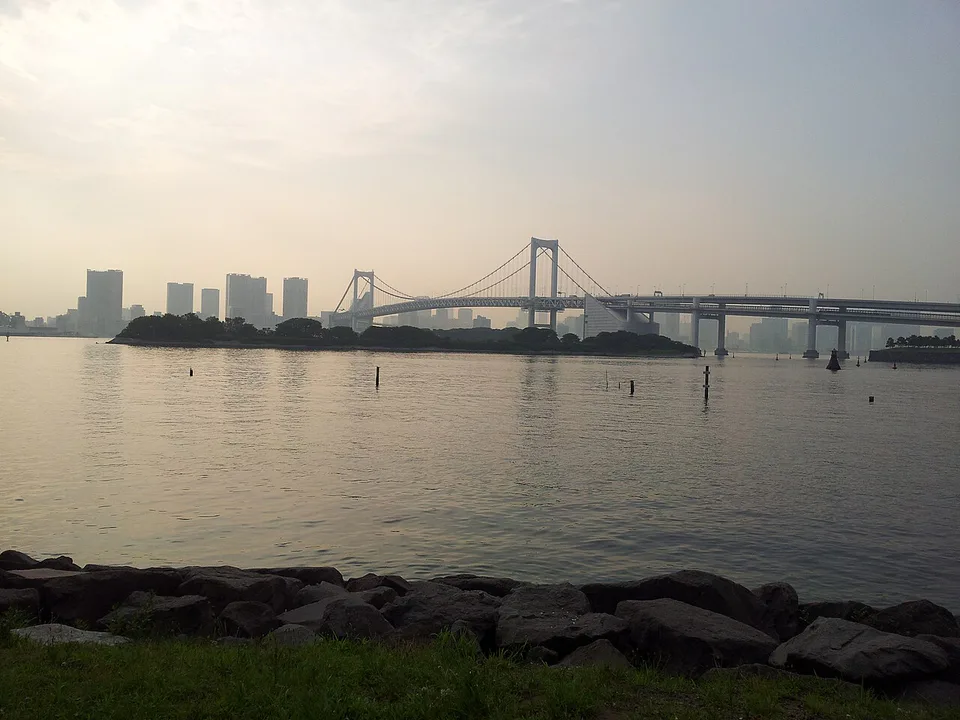
Calculate from hotel to hotel, not from takeoff to landing. Tokyo Heliport is around Shin-Kiba; the last segment from Shin-Kiba Station is commonly handled by taxi or bus. Funabashi products can have a lower charter price while adding a longer trip from a central Tokyo hotel and a local taxi from Funabashi or Keisei-Funabashi. A thirty-minute flight can therefore take a substantial part of an afternoon or evening once transport, arrival buffer, check-in and return are included.
Extra services may matter to the occasion. Listed examples include a GoPro rental around ¥4,900, a hired-car arrangement around ¥35,000 and bouquet options that may begin around ¥13,000. Do not fold these into a vague notion of “flight price”; write down which ones you would actually buy. For an ordinary skyline outing, they may be unnecessary. For a proposal, one of them might be central to the plan. The Tokyo hotel-area guide can help estimate whether your chosen base adds an awkward cross-city leg.
| Item to add | Question to answer before paying |
|---|---|
| Charter | Which aircraft, capacity, route and exact date are included? |
| Ground transport | How will you reach and leave this specific heliport? |
| Check-in and waiting | When must the group arrive, and what follows the landing? |
| Optional extras | Do you need the camera, car or bouquet at the listed price? |
| Reserved time | What other Tokyo activity will this block replace? |
One route can be convenient from a Tokyo Station base because Shin-Kiba is reached without building the whole evening around a distant western-Tokyo start. That does not make Tokyo Station the universal best hotel area. Compare it with Shinjuku in the Tokyo Station base decision and keep the rest of your trip in view. A specific station-area hotel has its own trade-offs, illustrated by the Metropolitan Marunouchi room-and-access review. If the flight is the centrepiece, compare accommodation around Tokyo Station with the Shin-Kiba journey in mind.
Weather cancellation protects the fare, not the evening
A flight cancelled by the operating airline because of bad weather is eligible for a refund under the current booking terms, apart from any stated transfer-related fee. A customer-requested cancellation follows a different fee schedule as departure approaches. Treat those as separate risks. A refund returns the charter amount; it does not recreate a sunset, a restaurant reservation or the trip day set aside for the occasion.
Keep the next appointment movable. A flexible meal near the hotel is safer than a prepaid dinner that begins just after the scheduled landing. The same principle applies to a concert or an onward train. If you would be stressed by a modest operational delay, move the flight to a less crowded day or choose a deck. The Tokyo Dome concert hotel guide illustrates how a fixed event can dominate the rest of an evening; a helicopter should not be forced into that same narrow gap.
| What changes | Money consequence | Trip consequence |
|---|---|---|
| Airline cancels for weather | Flight fare normally refunded under applicable terms | Your date-specific occasion or sunset slot may be lost |
| Traveller cancels near departure | Fees can apply and rise as the date approaches | Another booking may not fit the same evening |
| Operating route changes | Usually still a flight rather than a cancelled product | An exact landmark angle may not occur |
| Aircraft loading does not fit | Depends on the selected plan's terms | Passengers or baggage need a solution before flight time |
Loading is worth checking before price. The operator's general guidance gives a per-seat weight ceiling and aircraft-wide limits that vary with three- and five-seat types. Bags are limited too. A group of three adults with cabin rollers cannot assume that an advertised three-passenger charter also takes all their luggage. Store or forward bags before a hotel-change-day flight, and confirm the limits of the actual aircraft booked. Motion sickness and discomfort in a small aircraft are separate reasons to skip, even when the budget allows it.
Where the seven planning factors point
The flight's unusual viewpoint is its strongest argument. Route fit depends heavily on the heliport, while time efficiency falls once ground travel is counted. Weather resilience and booking flexibility are weaker than a deck's. Crowd exposure can be low on a private charter, but value depends on whether motion and privacy matter to you. These seven factors are a way to compare decisions; they are not an aviation-safety grade or a fabricated customer-review average.
| Factor | Practical reading |
|---|---|
| Uniqueness | Moving aerial views cannot be replicated by a deck |
| Route fit | The named heliport and transport links decide it |
| Time efficiency | Judge the hotel-to-hotel outing, not airborne minutes |
| Weather resilience | Even a refunded cancellation can remove the occasion |
| Booking flexibility | Aircraft and time slots are limited |
| Crowd resilience | Private charter avoids a shared observation platform |
| Money value | Strong only when flight motion or privacy is the objective |
For a first flight, the fifteen-minute Tokyo Heliport plan is a reasonable place to start looking because it goes beyond the ten-minute trial without jumping immediately to the higher daytime totals. It is not automatically the best live quote: check the route, aircraft and date. If the objective is a night tour, start with the departure airport and capacity, then compare minutes. If the objective is simply a high city view, use the deck comparison and spend the saved time elsewhere. Families can also compare whether a short flight is more useful than an entire age-matched Tokyo family day.
The same reasoning transfers to other premium aerial outings without treating their routes as interchangeable. The Osaka flight comparison examines route value, the Okinawa helicopter guide starts with coastline and island views, and the Ishigaki guide distinguishes Phantom Island from Iriomote. A Fuji paragliding day is another kind of airborne experience with different weather, transport and participation demands.