
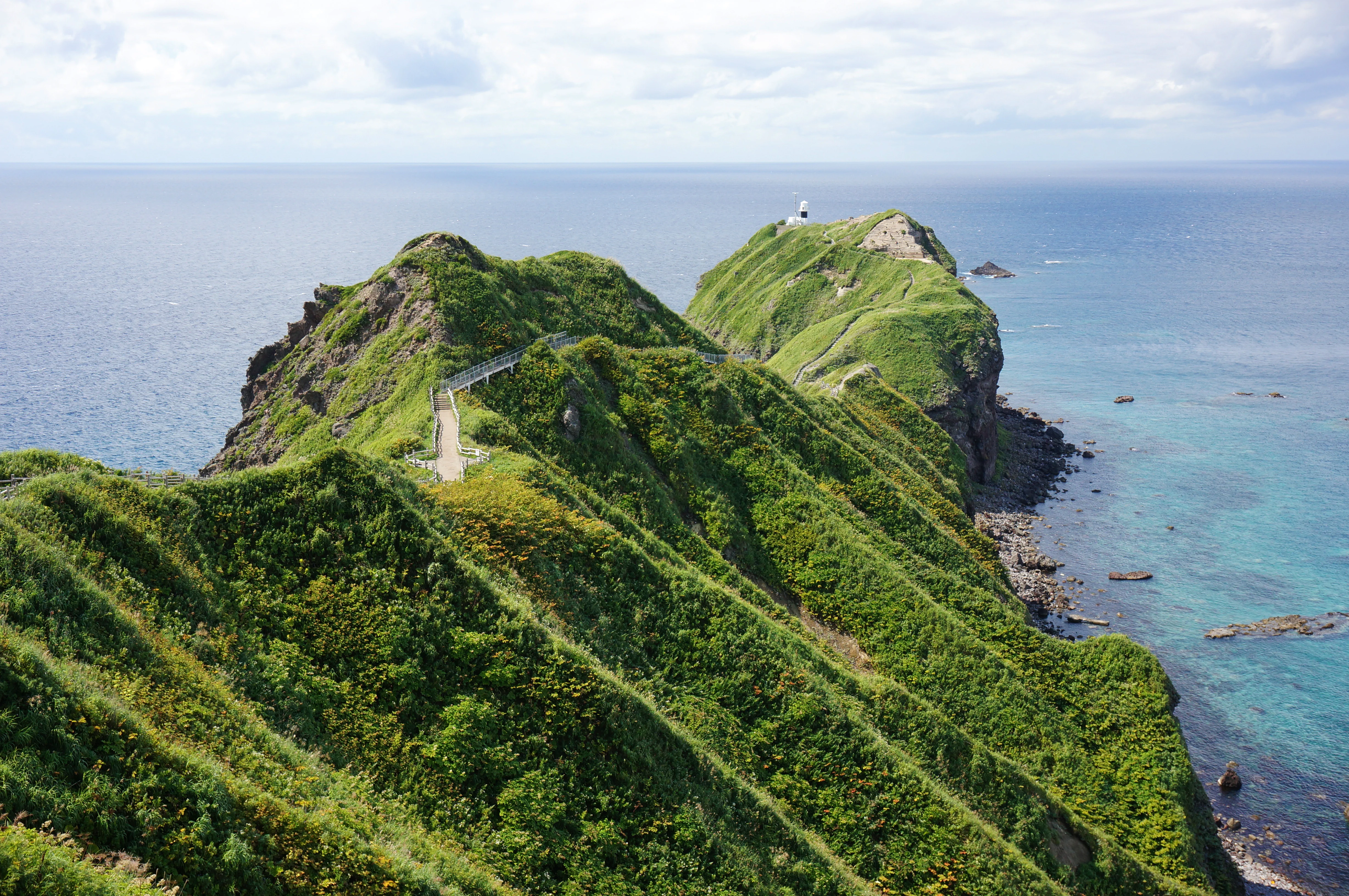
Shakotan still makes a rewarding coastal day, but the date changes the trip you can actually take. Local uni fishing is mainly a June-to-August pleasure. The 2026 summer sightseeing coach finished on 30 September. Most decisively for an October visitor, the path beyond Cape Kamui's inner gate is closed for construction from 5 October 2026 until early April 2027. The park entrance area and nearby viewpoint can still give you a look along the cape when access and weather permit, while Shimamui's upper viewpoint remains open. A summer visit after the works may again centre on the tip walk; an autumn visit now must be planned around the shorter accessible views.
A car already in the Hokkaido itinerary gives the most flexibility to reorder the coastline, lunch and Otaru around wind. Travellers without one have a different choice: an organised coach with a fixed sequence, or the Otaru-to-Bikuni bus plus a limited town-bus connection. The October 2026 coach is a different route from the completed summer product, with an onsen lunch stop instead of a promise of fresh uni or a tip walk. Before committing a full day, decide whether the available experience still matches the reason you wanted to go.
↔ Scroll table left or right
Your trip | Practical starting plan | What it buys | Limit to check |
Car already rented; Otaru overnight | Drive west early, then return via lunch and Shimamui | You can change the order if wind worsens | The cape tip is closed in October 2026 even on calm days. |
No car; October 2026 | Compare the autumn Sapporo coach | Transport, seafood-hotpot lunch and bath are bundled | Fixed pace and no tip walk or uni promise. |
No car; DIY | Check Otaru–Bikuni and Shako Bus in both directions | More choice of stops than a coach | Some town services require a prior-day 17:00 call. |
Summer uni is the main reason | Travel June–August and guard lunch time | This is the local fishing period | Fishing and restaurant supply can still fail. |
Full Cape Kamui tip walk is the main reason | Wait for announced reopening and a suitable weather day | The full walk takes about an hour from the car park | Works closure runs until early April 2027. |
Only a three- or four-hour window | Use Otaru or a shorter coastal outing | Avoid spending most of the block driving | Shakotan is a full-day commitment. |
The season changes what the cape day contains
Cape Kamui and a local uni lunch have separate failure points. A windy day can close a gate even while park opening hours are published; a clear day does not make a fishing-dependent dish available. Since early October 2026 the construction closure adds a third, fixed limit: the tip trail is unavailable regardless of the forecast. Choose the trip for the coast you can reach on your date, then treat the meal as a second decision.
In the full-walk season, the trail beyond the inner Nyonin Kinsei gate runs about 770 metres each way. Shakotan Town suggests roughly one hour from the car park for the complete return. Its notice now closes that inner-gate-to-tip section from 5 October 2026 until early April 2027 for repairs. The entrance viewpoint is a shorter outing, subject to the park gate and weather. Cape Kamui park and trail notice gives the current boundary.
The Shakotan Tourism Association puts the local sea-urchin fishing season in June, July and August. Catch and restaurant supply can still vary during those months. Outside that window, a coastal road trip can work, but planning it around a particular fresh local uni bowl is a different promise from planning it around a view. Hokkaido's seasonal route choices help decide whether this peninsula deserves one of a short trip's days.
The order therefore depends on the date, access and the one thing the group would regret missing:
A later summer day with worsening afternoon wind: protect the full Cape walk early, if it has reopened.
A summer restaurant that matters more than the walk: confirm its serving plan, but keep the park final-entry time in view.
October 2026: use the accessible cape entrance view, lunch and Shimamui upper viewpoint; the tip walk and fresh local uni are not the day’s anchors.
In summer, a long lunch queue should not consume the only open period for the cape trail. In October 2026, do not rush through lunch to reach a tip path that is already closed for works. The accessible viewpoint, Shimamui stop and return through Yoichi or Otaru can be paced more deliberately. If the whole trip depends on the tip walk, postpone it until the town announces reopening rather than treating an entrance view as the same experience.
Park admission hours and the closed inner trail are separate limits
Shakotan Town publishes a last time to enter the park from Route 229, which is earlier than closing time. Wind, rain or snow can shorten access. The inner gate adds a further limit: during the current construction period, the onward path is closed even on a calm day. The summer admission hours below are useful for a later-season plan; the August-to-October row also applies to an October entrance-view visit.
↔ Scroll table left or right
Month | Normal park hours | Last admission from Route 229 |
June | 08:00–18:30 | 17:30 |
July | 08:00–18:00 | 17:00 |
August–October | 08:00–17:30 | 16:30 |
The gate-hours table sets the normal park boundary, not a guarantee that every trail segment is open. In 2026 the town recorded wind closing the inner gate on 24 August, and the construction restriction began 5 October. For an autumn visit, the 16:30 final entrance is relevant, but reaching the park before it does not reopen the 770-metre tip path. The town's current trail-status notice also records temporary restrictions elsewhere on the peninsula, including an October bear-related closure of the Shakotan Misaki nature trail.
Anyone hoping for the full Cape Kamui walk should separate two questions when planning another season: is the construction closure lifted, and is the inner gate open that day? The answer to one does not settle the other. For October 2026, plan only the accessible part of the park, and leave enough daylight for a second viewpoint or a slower meal rather than advertising the tip as a late-afternoon add-on.
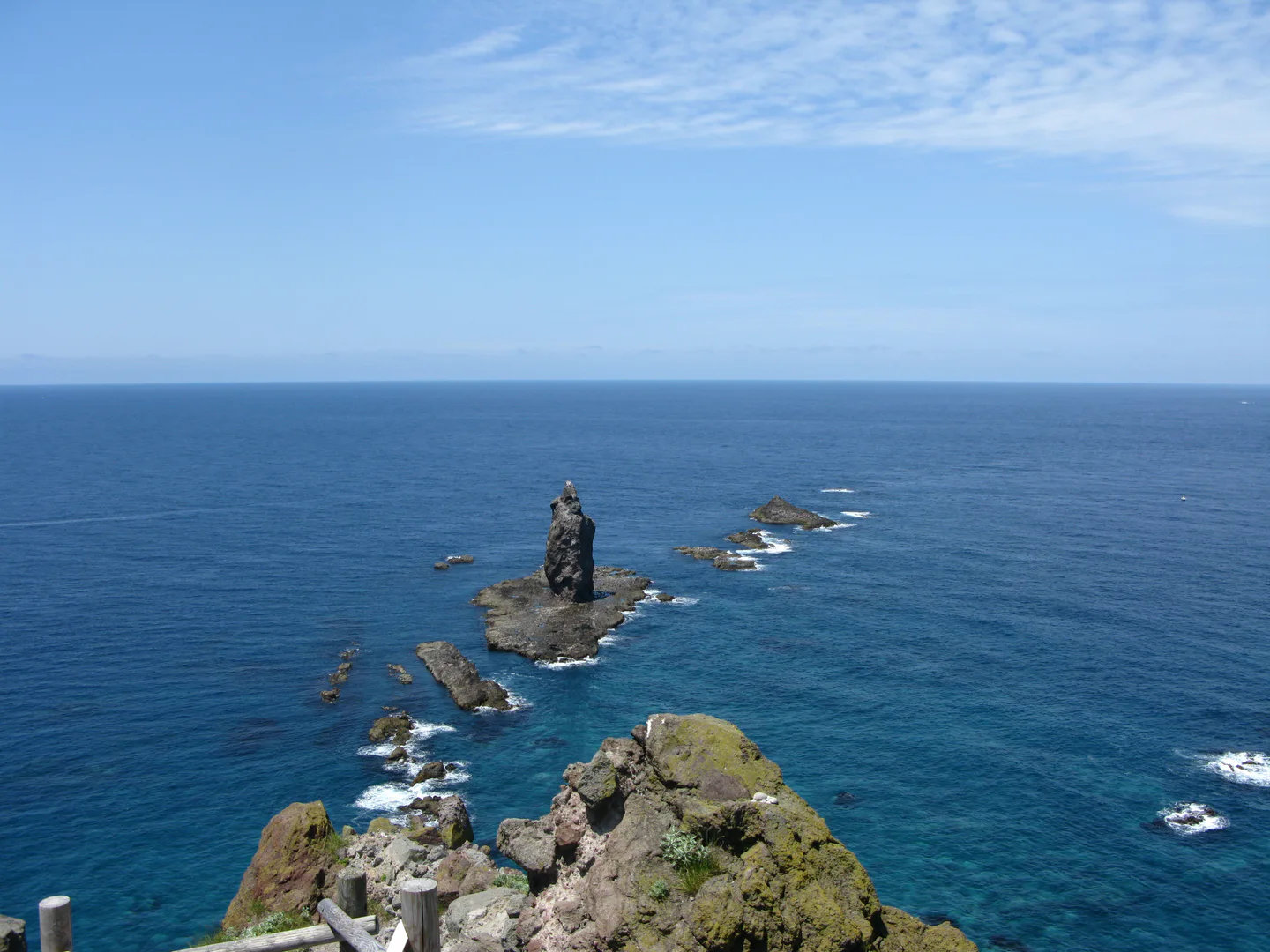
Shimamui's upper view is open; the beach path is closed
At Shimamui Coast, the short tunnel leads to the upper sea viewpoint. The town says that viewpoint remains usable, while the path down to the beach is closed for repairs until early April 2027. The photograph below shows a rocky shore, but it is not an invitation to descend there now. The town's Shimamui trail status is more useful for access than an older beach-walk description.
The upper viewpoint gives the day a second coastal scene without another hour-long exposed walk. It is particularly useful when the cape entrance is windy, the group includes someone who does not want a long trail, or lunch absorbs more time than expected. In October 2026 it is also a more complete available stop than a blocked Cape Kamui tip route.
The cape entrance visit is shortened by wind or another access change.
A child or older companion prefers an upper viewpoint to a long exposed trail.
Lunch has taken longer than planned but daylight remains for one coast stop.
The construction closure removes the full Cape Kamui tip walk from an autumn 2026 visit.
The tunnel-to-sea reveal at Shimamui and the long headland walk at Cape Kamui are different experiences. During construction only the former upper viewpoint and the cape entrance-area outlook are on the realistic list. A later summer visitor can compare the full cape trail with Shimamui's shorter stop, but should still check for access changes before departure. Hokkaido summer routes from Sapporo and Otaru provide a wider itinerary context.
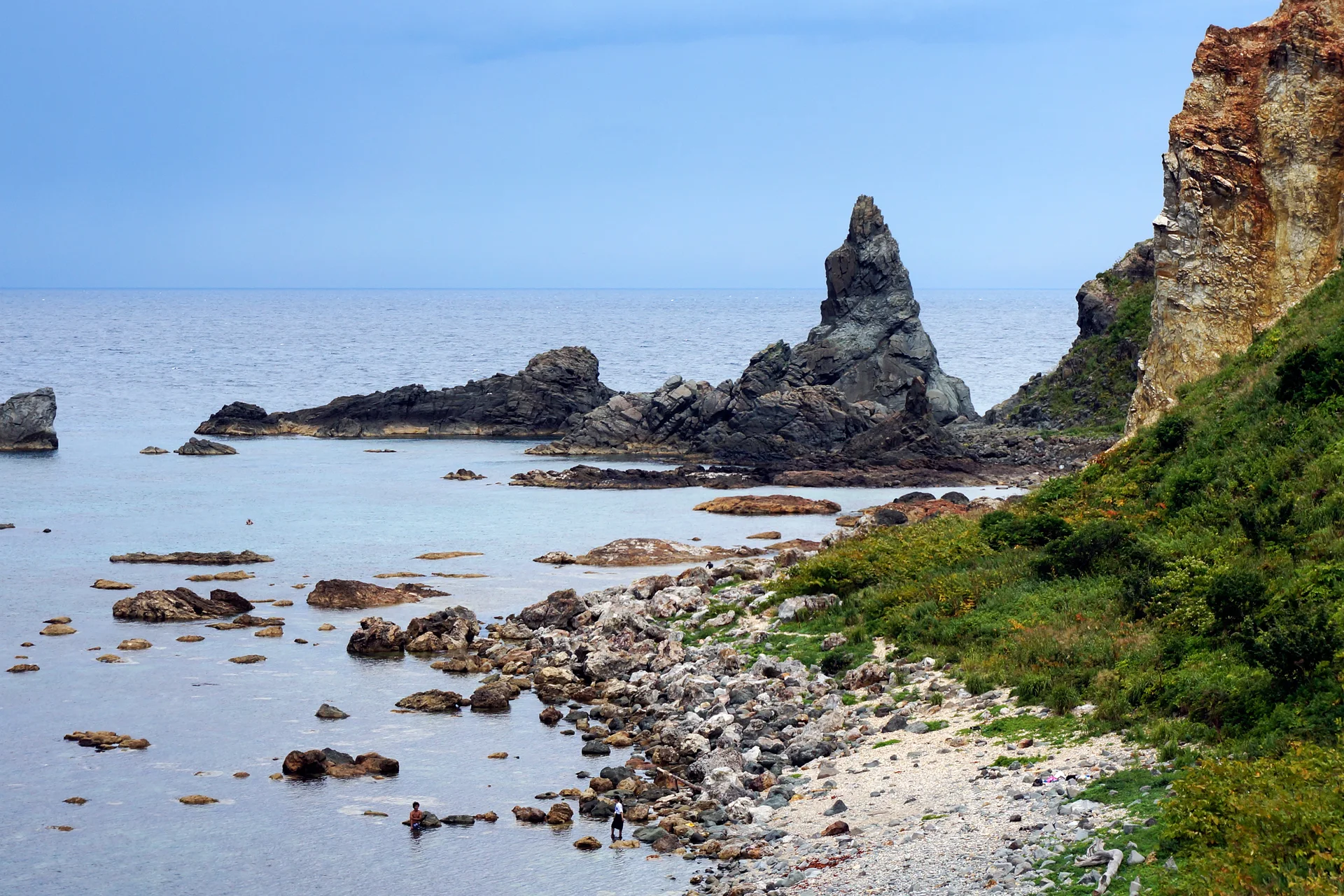
An Otaru overnight can reduce the drive to the peninsula
Hokkaido tourism guidance estimates about 90 minutes by car from JR Otaru Station to Cape Kamui, versus about 70 minutes from JR Yoichi Station. Those are road estimates, not an appointment at a gate. Starting from Otaru in the morning gives more room for a weather check, a coastal stop and an unhurried return. If you are already renting a car for multiple days, full-trip versus partial Hokkaido rental helps place the Shakotan day within the rental period.
Do not add an Otaru hotel move just to save one drive if the rest of the itinerary is based in Sapporo. An Otaru night earns more when it also gives you the canal after day-trippers leave and a shorter following morning. Otaru day trip or overnight addresses that choice, while Dormy Inn near Otaru Station and Hotel Sonia by the canal compare two different sleep locations.
A first Otaru visit and a full Shakotan drive compete for the same daylight. The canal and Sakaimachi shops deserve their own block if they are the point of going to Otaru. Even while the cape tip is closed, the two-way road, lunch and a pair of accessible views make a substantial outing. The Otaru hotel comparison can help if you decide to keep the town's evening and next morning.
A night in Otaru versus returning to Sapporo is the hotel decision; the peninsula alone need not dictate it. If your wider route already includes Furano and Biei, a five-day Hokkaido summer split shows how quickly another coastal day consumes the schedule.
Without a car, the coach and local buses buy different kinds of freedom
A day coach replaces several connections with a fixed timetable. Local buses let you choose some of your stops, but their frequency and reservation rules determine what is possible. The 2026 summer coach ended on 30 September. In October, Hokkaido Chuo Bus lists an autumn course with Cape Kamui entrance views, Misaki-no-Yu lunch and bath, and Shimamui; the route is materially different from its summer uni-oriented course.
October 2026 sightseeing coach: a fixed coastal and onsen day
The autumn coach is listed for 1–31 October 2026, excluding the Wednesdays of 7, 14, 21 and 28 October. It departs Sapporo Station at 08:40 and returns at 18:26 or 18:36 depending on Otaru drop-offs. The listed adult price is ¥9,500, with lunch and Misaki-no-Yu bath entry included. The coach operator warns that the Cape tip is blocked by construction; its visit is an entrance-area view, not the 2026 summer trail experience. Autumn Shakotan coach details give the precise dates and stops.
The October itinerary allocates about 45 minutes at Cape Kamui, roughly two hours ten minutes for lunch and bathing, and about 25 minutes at Shimamui. It can set passengers down at Otaru Station around 17:20. This is a sensible no-car choice when a relaxed, guided road day and an onsen meal are attractive. It is a poor substitute for someone whose sole reason for travelling was a long cliff-top walk or a particular uni restaurant. The previous May-to-September coach offered different time at the cape and a different meal, so old prices and stop lengths should not be carried into an October booking.
The coach removes the risk of missing the Bikuni connection but also removes the ability to follow a changing weather window or extend a favourite stop. Decide whether the fixed mix is worth a full day and fare. If your trip is short, how many Sapporo nights to keep gives a useful comparison with city days and shorter side trips. A private Hokkaido car charter is another transport pattern, though its paid hours are not all sightseeing time.
Local buses: the connection and prior-day call matter
The first leg from Otaru Station to Bikuni Terminal takes about one hour twenty minutes on Chuo Bus. Reaching the cape after Bikuni uses the town's Shako Bus. Its published 2026 summer timetable applies from 1 April through 30 November, but a timetable existing through autumn is not evidence that the tip trail is open. Read the outward and return services as a pair before committing to lunch or a second viewpoint. Shako Bus timetable and transfer notes set out the local connection.
For any Shako Bus departure marked reservation-operated, the town requires a phone booking by 17:00 on the previous day; same-day bookings are not accepted. Once a booking triggers that departure, other passengers may board, but depending on another traveller to activate the service is a fragile plan. The town gives the reservation phone number as 0135-44-3830, with daily booking hours 09:00–17:00. This is a practical barrier for a visitor who cannot make the call, not a small footnote beneath an otherwise frequent service.
A DIY day suits someone willing to study both bus directions, make a prior-day call if required, and accept a narrower set of stops. It can be cheaper than a coach, but price alone misses the cost of an unusable gap between buses or a missed last connection. If that sounds like an unwanted project, use the coach when its actual season and route fit, or choose a destination with denser transport. Hokkaido by car-rental duration offers another way to avoid forcing a single awkward bus day.
For an October 2026 no-car visit, compare the autumn coach against the real bus connections, not against the completed summer coach. When planning a future summer, look for that season's released course before quoting a fare or assuming the same stops. The peninsula can reward an independent traveller, but its public transport is part of the itinerary design rather than a shuttle you can improvise after lunch.
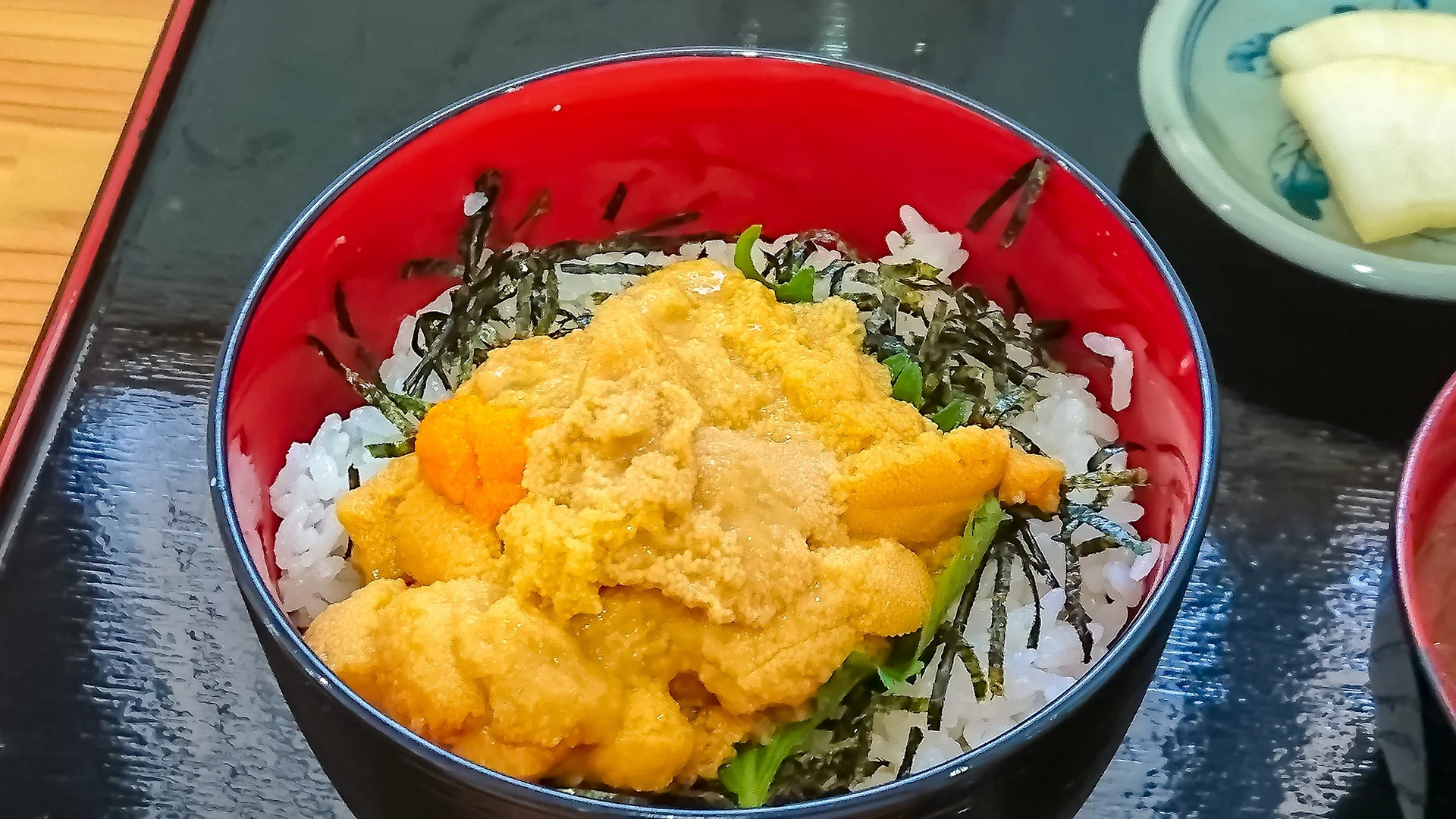
Local uni belongs to the summer plan
The Shakotan Tourism Association identifies June through August as the local sea-urchin fishing window. That is when a fresh local uni bowl can legitimately be a main reason for the day. The catch and restaurant supply remain weather-dependent within the season. An October 2026 traveller should choose Shakotan for the coast, road and available food, not on a promise of the summer harvest. Regional Hokkaido planning by season is useful before booking a food-led detour.
A restaurant showing uni in a photograph may be illustrating a summer dish. Even in June–August, check that particular day's service and whether it accepts reservations; fishing and sold-out bowls are separate from opening hours. If the restaurant cannot confirm the dish, choose a meal you would still enjoy and keep the coast as the reason for the drive. The 2026 October coach instead lists a seafood hotpot lunch at the onsen stop, a different product from its summer course.
For a future summer date, use these seasonal boundaries rather than a promised bowl:
June–August: local uni can be a meal priority, subject to the day’s catch and actual restaurant service.
Late August: ask the chosen restaurant before driving; the season is not a uniform last-serving date.
September onward: go for the peninsula itself and regard seafood as a meal choice, not a promised summer uni harvest.
A sold-out uni lunch is disappointing, but driving between several restaurants can consume the only workable coastal window. Choose one primary place and a nearby fallback, then keep moving. After August the problem is simpler: stop presenting an uni-led day as available. A good seafood meal can be welcome, yet it should not be sold as a substitute for a closed tip trail or a finished fishing season.
A self-drive day works best with one fixed limit and flexible stops
This sequence is for a normal summer visit after the tip route reopens; October 2026 visitors should use the entrance outlook and give the saved walking time to a longer lunch, Shimamui or Yoichi. The order is intentionally loose because weather and the group matter more than a fabricated minute-by-minute schedule.
The cape visit belongs in the best weather window
Leave Otaru with enough time for the road and the park's last-admission rule. On a future full-trail day, set aside about an hour from the car park; in the October 2026 construction period, do not plan that walk at all. Check whether the park entrance itself is open and whether wind changes access during the day. A cloudy or windy forecast in Sapporo is not a substitute for the town's actual gate notice. Otaru as a departure base can remove a long first leg.
Lunch needs a time limit if the coast is the purpose
In uni season, pick one restaurant and a nearby backup before driving west, then aim for a late-morning or noon meal if that matches service. An isolated sold-out dish should not send the party on a 90-minute search across the peninsula. In October 2026, a booked coach lunch is part of the fixed package; an independent car trip can use any open restaurant, but local summer uni should not be assumed.
Shimamui or a slower return through Yoichi
The tunnel at Shimamui leads to an upper view of the blue coast. Its descent to the shore is closed through early April 2027, so leave a short viewpoint stop rather than a beach-walk block. If wind or tiredness cuts the day down, return by Yoichi and Otaru. Otaru's canal-side stay decision matters more if the party wants dinner there rather than another drive into Sapporo.
The plan survives because one attraction does not hold every minute hostage. In summer the full Cape walk may be the high-value anchor; during construction the accessible coastal views and the meal must be enough to justify the road. That distinction can lead to a rational choice to defer Shakotan. A Hokkaido five-day alternative makes the opportunity cost visible.
If Cape Kamui access changes after departure
A closed inner gate is a boundary to follow. It may reflect strong wind on a future open-trail date, and until early April 2027 the construction closure applies regardless of weather. Do not wait at the car park for the works barrier to lift. Decide whether the entrance-area viewpoint is available and safe, then spend the remaining time on a different open stop.
A shorter, safe sequence can still use part of the day:

Check whether the Route 229 entrance and the nearby viewpoint remain open and safe.
Do not cross the inner-gate-to-tip works closure or wait for it to clear during the day.
Use Shimamui’s upper viewpoint if its local status permits; do not descend to the closed beach.
Bring lunch forward if the main cape stop is lost.
If the coast remains restricted, spend the remaining time in Yoichi or Otaru.
Shakotan Town can close access quickly when conditions deteriorate. The current fixed works closure is separate from a daily wind decision, so a sunny morning should not be read as a promise of the cape tip. A flexible road day can lose one trail and still include a sea view, lunch and Yoichi; a trip whose only value is reaching the tip should be rescheduled. Hokkaido's seasonal route comparison can help find a replacement day elsewhere.
Walking effort is different for the two available viewpoints
A complete Cape Kamui walk, when open, is exposed and uneven enough to deserve a real discussion with young children or older travellers. During the works, that decision is temporarily removed: the inner-gate-to-tip section is closed. The upper Shimamui outlook remains available, but the beach descent is also closed through early April 2027. Shorter access does not erase wind at either coastal stop.
Ask who in the group actually wants the full tip walk on a future visit. If only one person does, a shared day built around that hour may be unfair to everyone else. Today the clearer question is whether the limited views justify the drive for this party. Families with a tight first trip may prefer a shorter Otaru outing; family hotel bases on a Hokkaido road trip can also reduce daily repacking.
There is no need to force an unsteady walker along a windy headland because the car has already gone west. When the full trail reopens, stopping at the entrance view can still be the best choice for that person. Shimamui gives a different upper-coast panorama without planning a beach descent. Keep the visit proportional to the group, particularly when wind makes the easy-looking part of the map feel exposed.
Otaru and Shakotan together are a sampler, not two full days
Hokkaido Chuo Bus has sold a combined Cape Kamui, Otaru and Shiroi Koibito Park itinerary of roughly ten hours, with around an hour at the cape and two hours in Otaru. That shows the compromise, not that two relaxed destinations fit in one day. The operator's 2026 October Shakotan course is separate and gives about 45 minutes at the cape entrance because the tip path is blocked. A self-drive party can stay longer at one stop, but cannot remove the road time between them.
If Otaru is new, choose whether its canal, shops and meals own the day or whether it is only an evening return point after Shakotan. An Otaru overnight can divide those interests across dates. Otaru day trip versus overnight, Hotel Torifito near the canal and OMO5 in Otaru help make the overnight concrete.
When the peninsula should wait
A three- or four-day first Hokkaido trip may already struggle to give Sapporo, Otaru and Furano or Biei enough daylight. The Shakotan Peninsula adds a substantial westward road day. If the cape tip trail is the only attraction that interests you, the current construction closure makes postponement especially sensible. Sapporo trip length and the five-day Hokkaido summer split show the competing uses of a day.
Persistent poor weather or a restricted park entrance can remove the main view. Go only if a coastal drive, Shimamui's accessible upper outlook or a meal would still satisfy the group. The town also temporarily restricted the Shakotan Misaki nature trail in late October 2026 after a bear sighting, although it kept the Shimamui viewpoint open. Treat a specific trail status as local and date-sensitive; it should not be generalized to every viewpoint.
Without a car, skip a DIY bus day if you cannot plan the Bikuni connection and call by the previous day's 17:00 deadline for reservation-operated Shako Bus trips. A current-season coach can provide an easier fixed day, but only if its actual stops and meal appeal to you. A Hokkaido itinerary without a car illustrates how a change in season can alter the workable transport network.
If fresh local uni is the sole attraction, avoid selling a September-to-spring trip as a sea-urchin outing. June–August is the tourism association's local fishing window, still subject to catch. A traveller who would be equally happy with the cliffs and another seafood lunch can choose a later date, but must accept the present path closures. Hokkaido's season-first itinerary helps make that distinction before flights are booked.
A good Shakotan day depends on the date
With a car already rented, Otaru is the practical morning start and gives the freedom to follow the weather and shorten a stop. The current October 2026 trip is an entrance-area Cape Kamui view, Shimamui's upper viewpoint and an unhurried meal; the tip path remains closed until early April 2027. For a later summer, verify reopening before making the full walk the centre of the day. Hokkaido rental timing can decide whether the vehicle is already available.
Without a car, the October coach is a coherent onsen-and-coast product at ¥9,500 per adult, but its summer predecessor finished in September. Local buses remain possible, provided the Otaru–Bikuni transfer and any previous-day booking work in both directions. A future summer course may be different again. Choose the transport product that actually exists for the date rather than the one described in an older summer itinerary.
The clearest current constraint is access: Cape Kamui's inner-gate-to-tip walk is closed for works, Shimamui's shore descent is closed, and Shimamui's upper viewpoint remains open. These conditions change the value of the day for different travellers. A coast-and-food visitor can still have a satisfying outing; someone seeking the long headland walk should wait for its reopening. A wider Hokkaido seasonal route is the alternative planning frame.
Compare Otaru stays for an early Shakotan start if an Otaru night also serves your canal visit.
Related Hokkaido routes
Otaru overnight or day trip helps divide the coast from the canal. Five summer days in Hokkaido weighs the peninsula against Furano and Biei. Hokkaido by region and season addresses the larger trip choice.
Access, transport and uni season
Cape Kamui gate and construction notice; earlier gate-hours listing; Shimamui and neighbouring trail status; Shako Bus and the Otaru–Bikuni connection; 2026 summer coach course; Shakotan local uni season; 2026 October coach course.
Related guides: Okinawa With Kids: The Road Trip Works Only If the Car Seat, Boot and Nap Window Fit Together · Mitsui Garden Hotel Jingugaien Tokyo Premier: Is National Stadium Station Worth the Trade-Off? · Lake Biwa Otsu Prince Hotel: Is the 36.2m² Lake View Worth the Shuttle? · Hotel Hankyu RESPIRE OSAKA: Is a 3-Minute Osaka Station Walk Worth the High-Rise Trade-Off? · Leave at 8:25 PM or Stay for the Finale? The Akita Kanto Festival Early Exit Trade-Off · Mitsui Garden Hotel Osaka Premier Review: Is Nakanoshima Worth the Trade-off? · Where to Stay in Fukui: Keep the Dinosaur Museum and Eiheiji Near the Rails, or Sleep in Awara Onsen · Osaka Attractions Map: How to Group Namba, Umeda, Tennoji and the Bay Area · Fukuoka Tower: Is the ¥1,000 Ticket Worth the Detour? Timing Changes the Answer · Okinawa Without a Car: A 5-Day Itinerary That Keeps the Long Bus Days to Two