
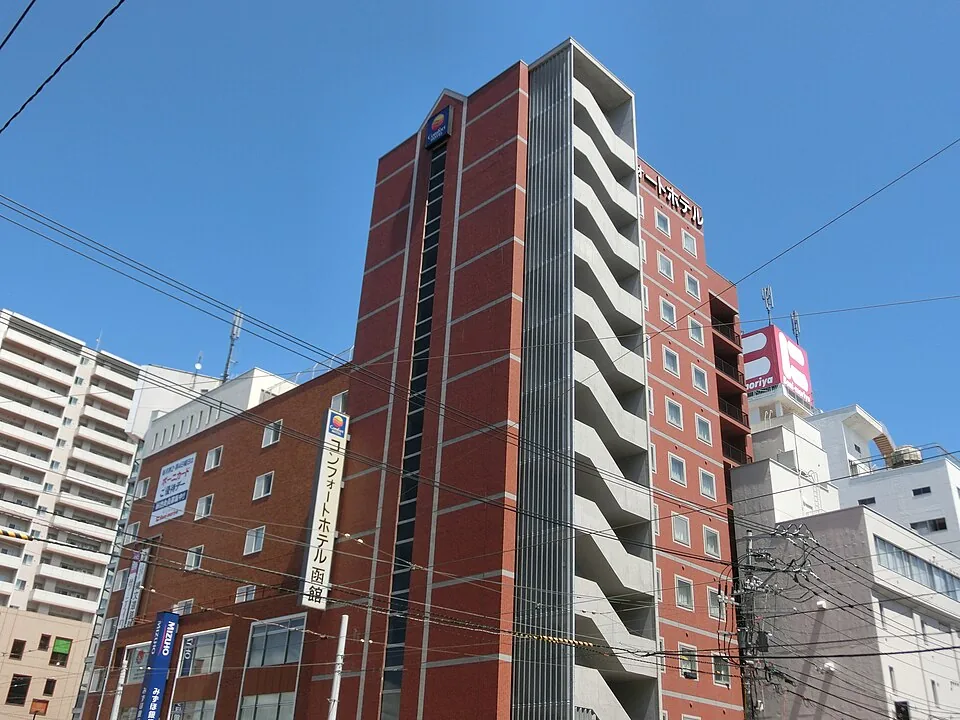
A winter night beside Hakodate Station presents a deceptively simple breakfast choice. Comfort Hotel Hakodate includes a hotel breakfast in its usual offering and has a tram stop close by. Hotel Resol Hakodate has several room sizes and lets you choose a plan with or without breakfast. Hakodate Danshaku Club has full kitchens and much larger rooms a short walk from the morning market. The right booking depends on whether you want to eat quickly before a train, browse the market when it opens, or bring food back to a warm room.
All three are useful station-area bases, but they solve different problems. A couple with one night and a morning train may get more practical value from a predictable included breakfast than from a kitchen. Four people staying several nights need to compare Danshaku’s four-bed room against two compact hotel rooms. A solo traveller with a very early departure may skip both breakfast and the market and select the easiest luggage route. In snow, the distance printed on a map matters less than the exact door, crossing and morning schedule.
The morning market is an option, not an included breakfast
Hakodate Morning Market sits next to the railway station. Its operator lists a general 6:00 opening from January to April and 5:00 from May to December, with individual shops setting their own hours and days off. That distinction matters around New Year and on a day of poor landings: a nearby hotel cannot guarantee that a specific seafood breakfast stall will be open. If you have a fixed early train, identify an open stall or choose hotel breakfast rather than treating “near the market” as a meal reservation. The JR Inn Hakodate station-room guide gives a different station-connected benchmark when the walk itself is your highest priority.
Danshaku Club changes the calculation because its kitchen lets you buy food at the market and eat it in the room, subject to the market vendor’s preparation and storage advice. It does not mean every seafood purchase is suitable for home cooking, nor that a winter market visit will be cheaper than breakfast. Its breakfast-included rates may also offer a choice between property breakfast and participating market restaurants; the current list and redemption rules belong in the plan terms. Resol’s hotel breakfast can be compared as a separate inclusion. Comfort’s free breakfast makes a simple early start easier, but it should not be valued twice when comparing a room rate against another hotel’s room-only price.
Seven dimensions before the breakfast decision
An early Hakodate departure changes the value of breakfast. Confirm whether the hotel's service begins before your train or flight transfer; a paid breakfast you cannot use should not decide the room. Danshaku Club's kitchen and apartment layout can suit a family that wants to prepare a meal, whereas a short solo stay may favour a simpler room closer to its first tram or JR departure. Check the bed arrangement and whether breakfast is included in the specific rate. Winter luggage and a slippery station walk can outweigh a small difference between otherwise similar hotels.
↔ Scroll table left or right
| Hotel | Access | Space | Comfort | Cleanliness | Neighbourhood | Service | Value |
|---|---|---|---|---|---|---|---|
| Comfort Hotel Hakodate | 9.0/10 | 7.5/10 | 8.6/10 | 8.6/10 | 8.8/10 | 9.0/10 | 8.7/10 |
| Hotel Resol Hakodate | 9.0/10 | 7.5/10 | 8.4/10 | 8.5/10 | 8.9/10 | 8.8/10 | 8.4/10 |
| Hakodate Danshaku Club Hotel & Resorts | 9.0/10 | 9.5/10 | 9.4/10 | 9.3/10 | 9.5/10 | 9.6/10 | 8.9/10 |
Swipe to compare the three station-area hotels
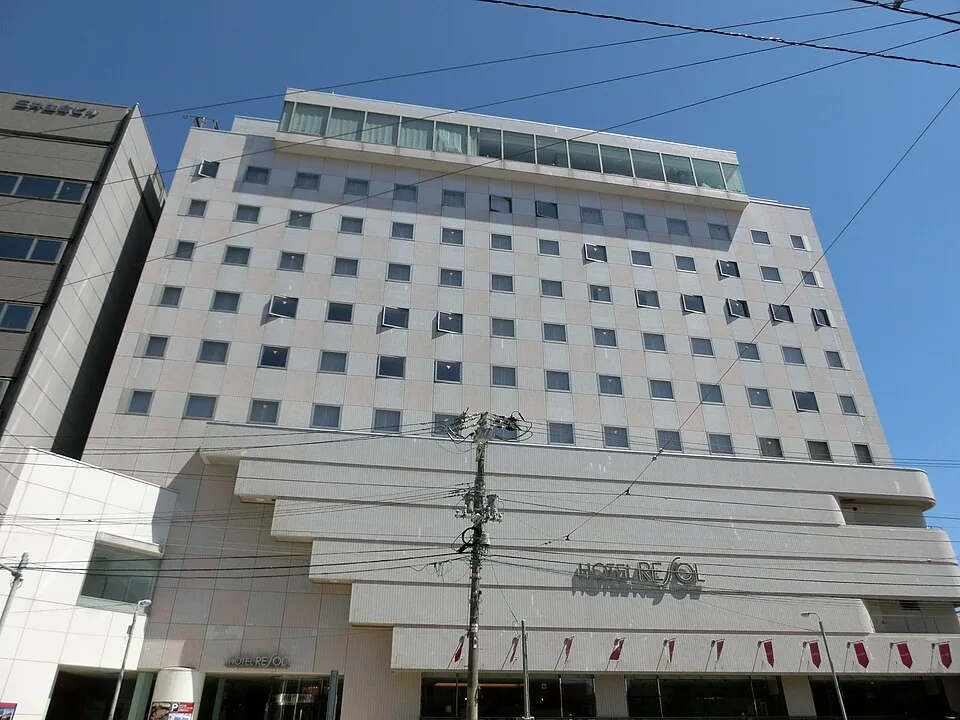
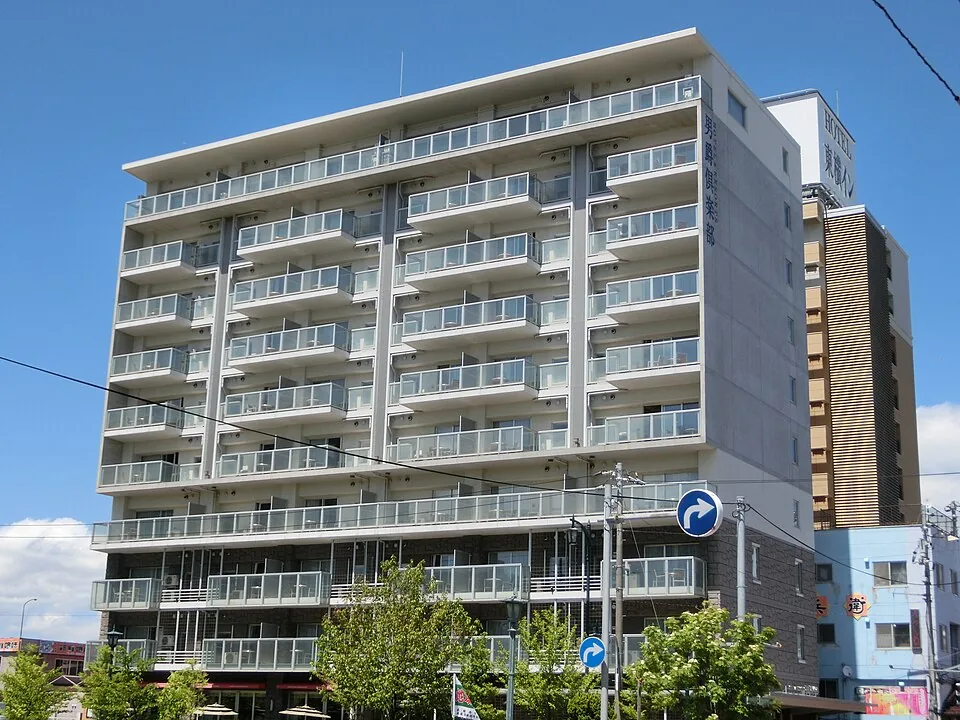
Danshaku’s strong room score is attached to a different type of accommodation. Its standard Twin is 41 m² with a kitchen, and its Fourth category is 70 m² with four beds. It should not be read as proof that every group needs a kitchen. For a short rail stopover, the extra floor area may go unused. Conversely, a family trying to share a small double at Comfort or Resol needs to price the correct twin or two rooms before judging their lower Space buckets.
Comfort: a known breakfast with a small-room choice
Comfort Hotel Hakodate lists a 12.6 m² Economy Double with a 140 cm bed and a 15.5 m² Standard Double with the same bed width. Two adults with winter coats and large cases should not treat these as interchangeable merely because both sleep two. The 13.8 m² Standard Single has a narrower bed and is intended for one traveller. The 25.3 m² Standard Twin has two 123 cm beds and only a small number of rooms, so a twin booking should be made explicitly rather than left as a request. Its policy permits elementary-school-age children to share existing beds, subject to the exact plan; that does not create another bed or another clear aisle.
The hotel lists a free breakfast, a lounge that serves it, a 24-hour coin laundry and all-nonsmoking rooms. For a one-night rail stop, breakfast is the service you are most likely to use. For a family with two early sleepers, the same practical detail may expose the room-size limit: breakfast is convenient, but a 12.6 m² double may become awkward once everyone’s bags are open. Check the breakfast start and end times for the chosen winter day, then count the usable minutes before your train. If there is no time to eat, do not treat breakfast inclusion as a saving. The La’gent station-and-bath guide is a useful alternative if a public bath matters more than a breakfast bundle.
Comfort’s winter strength is not a claim to be a resort. It is a straightforward stopover close to rail and tram transport with a predictable morning meal. If the itinerary includes the bay area or Goryokaku, plan the tram trip separately; do not assume that station proximity makes those sights adjacent. The Hakodate area guide maps the main districts, while its seasonal suggestions need a winter opening check.
Resol: compare the exact twin, then the meal plan
Hotel Resol Hakodate is about a three-minute walk from the station. The Moderate Double measures 14.43–15.40 m² and has one 140 cm bed. Its Twin category spans 17.31–23.96 m²; an extra or sofa bed can bring the capacity to three in a qualifying layout. That is a wide size range for a single category name. If you are choosing Resol because you need room for two large suitcases or a third sleeper, inspect the particular room plan rather than applying the largest published area to the cheapest twin.
The 30 m² Deluxe Twin accommodates two or three using the sofa bed. The 45 m² Suite also supports up to three and has a microwave, but a suite rate should be compared against Danshaku’s 41 m² kitchen room before purchase. A microwave and full kitchen serve different plans. The Deluxe Twin is the middle option for a small family that wants a conventional hotel and a defined amount of floor space; the Moderate Double is the short-stay choice for one or two adults travelling light. The Tokyu Stay Hakodate three-night room guide offers another way to compare a longer station-area stay.
Resol offers breakfast under selected rates and a restaurant in the building. Price a breakfast-included and room-only plan for your dates, then ask whether the market breakfast you actually want is likely to be open. A traveller leaving on a 7:00 train may prefer a takeaway plan and the lower room-only price. Someone who plans to spend a full morning browsing can keep breakfast flexible. In either case, the final total should include all occupants, taxes, breakfast and cancellation conditions. The Hakodate Kokusai early-breakfast guide is useful if a very early served breakfast or pickup service would materially change the choice.
Danshaku: pay for the room you will live in
Hakodate Danshaku Club’s standard Twin is 41 m² for one to three guests, with two 110 cm beds and an optional additional bed. The Fourth room is 70 m², has two bedrooms and four beds, and can take three to five guests under its published capacity. Those facts make it a serious alternative to two rooms elsewhere when a family wants a shared living space. The D-Twin at 41 m² adds an integrated living and dining arrangement; the D-Fourth at 70 m² is its larger family equivalent. The 49 m² Superior Twin gives two or three guests more open floor area but does not solve a four-person bed count.
A full kitchen is useful only when you will use it. A family staying three nights can buy breakfast food, prepare simple meals after a cold day and manage different eating times. A one-night couple with a restaurant reservation might be paying for equipment they never touch. Look at the kitchen inventory, refrigerator size and table seating for the room being sold, and decide whether cooking fresh market food is realistic after sightseeing. A room with a kitchen is not a promise that every market item may be stored or cooked safely. The Hokkaido winter itinerary helps determine whether Hakodate is a one-night stop or a slower base.
The room pages distinguish smoking arrangements by floor and category. Some higher-floor D-Twin and D-Fourth inventory includes smoking rooms, while other specified floors are nonsmoking. Book an explicitly nonsmoking unit when that matters; do not rely on a general preference note. Families with a dog should also use a named dog-friendly category rather than assume every 41 m² twin accepts pets. A kitchen, view bath and balcony are notable room features, but the exact room and winter use conditions should be checked before assigning them value.
The evening determines whether the station area is enough
Hakodate’s winter night view and illuminated slopes can fill an evening, but the route back from the bay or Mount Hakodate may require a tram, bus, ropeway or taxi depending on the date and weather. Staying by the station makes departure easy the next day; it does not put the ropeway at your door. Check the ropeway’s operating notice and the return service before a late dinner. If the group is bringing bags from a day outing, store them at the hotel rather than haul them through snow. The La Vista Bay lodging guide gives a direct comparison if being closer to the waterfront is more useful than being close to the train.
Several existing Hakodate hotels change the same decision in different ways. JR Inn shortens the exterior walk after rail arrival. La’gent adds a hot spring near the station. Tokyu Stay rewards a longer stay with different in-room facilities, and Hakodate Kokusai may suit a guest valuing a particular early breakfast and pickup. Use those as alternative shortlists, not as identical substitutes. The correct comparator for Danshaku’s Fourth is two hotel rooms with the same number of proper beds and breakfast costs, not the cheapest double headline rate.
If Hakodate follows Sapporo or Otaru, keep a weather buffer around a long rail connection. The Otaru overnight decision helps avoid adding a needless hotel move; the Hotel Sonia Otaru room guide shows what a canal-side night would buy. Sapporo versus Chitose on the last night matters if the trip ends with a flight from New Chitose. An open-jaw trip may make more sense than backtracking; compare the Hokkaido open-jaw itinerary if the route includes northern Hokkaido. A winter drive between these cities needs its own plan; the winter-driving guide addresses conditions that a hotel comparison cannot.
Three ways to book without comparing unlike rooms
↔ Scroll table left or right
| Booking question | Comfort | Resol | Danshaku |
|---|---|---|---|
| Breakfast decision | Check whether the included breakfast precedes your train. | Price room-only and breakfast plans separately. | Confirm breakfast redemption or plan for the kitchen and market. |
| Room to compare | 25.3 m² Standard Twin for separate beds and bags. | Named Twin, Deluxe Twin or Suite for a third occupant. | 41 m² two-person room or 70 m² Fourth for four. |
| Cost comparison | Use the exact twin, not the lowest double rate. | Confirm the twin area attached to the offer. | Compare one Fourth with two suitable hotel rooms. |
Choose Comfort for a short station-and-tram stop when the included breakfast fits the train time. Select the 25.3 m² Standard Twin if two separate beds and luggage floor space matter. A low double rate is sensible for a solo traveller or light-packing couple; it is not a family-room bargain. Check whether the free breakfast is served early enough and whether a market visit will happen at all.
Choose Resol when its room-only and breakfast options let you keep the morning flexible. A couple may be fine in the Moderate Double, while three occupants need an explicitly eligible Twin, Deluxe Twin or Suite. Since ordinary twins vary in floor area, request the exact size or room allocation terms before treating every twin as a 24 m² room. Its location also serves the tram, but check the service for the winter evening you plan.
Choose Danshaku when a real kitchen, a 41 m² two-person room or a 70 m² four-bed layout will change the stay. For a family, price one Fourth against two suitable rooms at the other hotels with the same breakfast basis. For a couple, decide whether a full kitchen and room to sit are worth paying for when market restaurants are close. Confirm smoking status, extra-bed terms, breakfast redemption and the final per-night total.
For all three, put the early train or flight at the top of the booking screen and work backwards. Confirm the first breakfast time, individual market shop hours, the route over snowy pavement to the station, and the cancellation rule. Then compare matched room categories and beds. The non-ski Hokkaido activity guide is a useful backup if a winter day turns unsuitable for the original outdoor plan; a well-located room gives you time to change the day rather than forcing an early departure. For clothing and footwear, compare the December and January weather guides with the local forecast rather than assuming every Hokkaido city has the same snow conditions.