
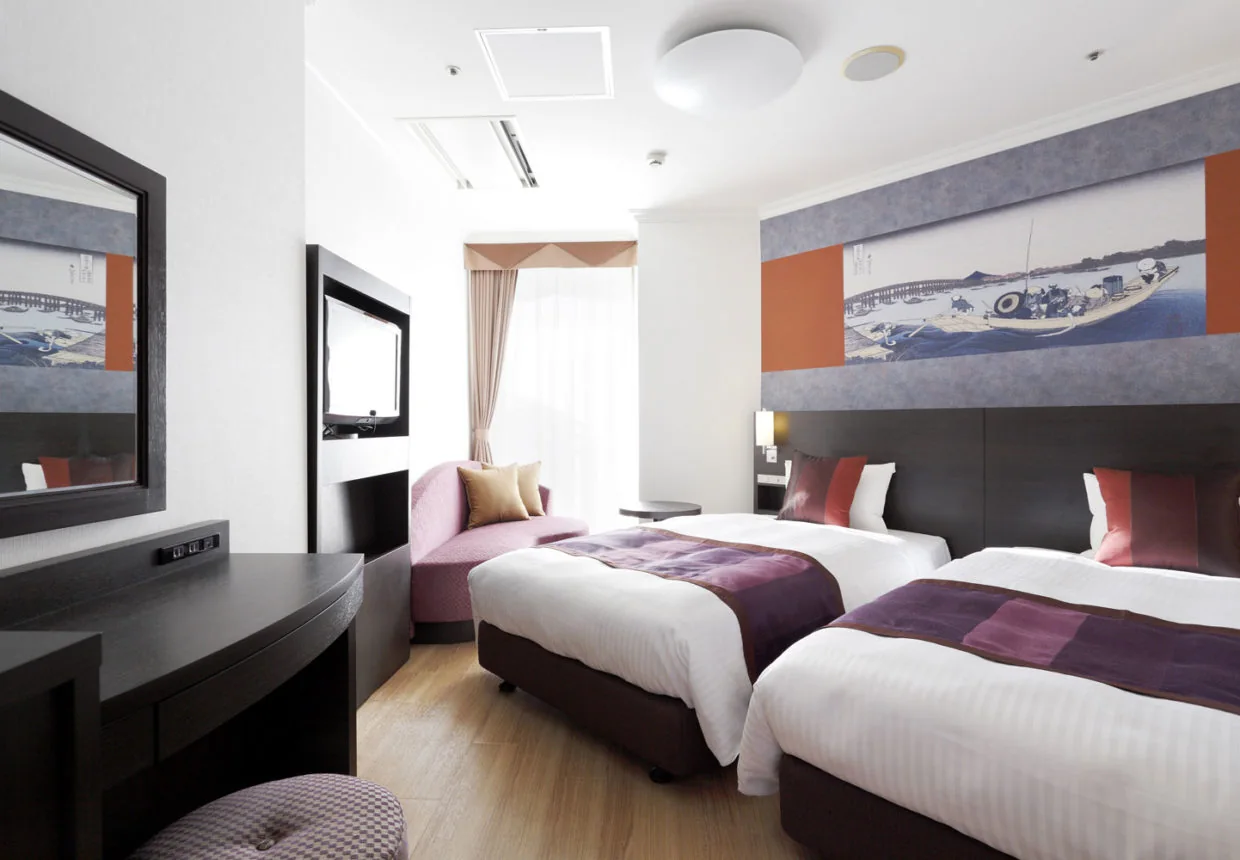
Booking a hotel for sumo in Tokyo begins with the date of the tournament, not the hotel map. The city's grand tournaments take place at Ryogoku Kokugikan in January, May and September. If you have a ticket for a day there, Ryogoku View Hotel is almost beside the JR station and a short walk from the arena. The Gate Hotel Kaminarimon places you near Asakusa's Kaminarimon and Senso-ji, with a train journey back from Ryogoku after the bouts. The right choice depends on whether the arena is the centre of your stay or one afternoon within a broader east-Tokyo visit.
JapanLayer hotel assessment by dimension
↔ Scroll table left or right
| Hotel | Access | Space | Comfort | Cleanliness | Neighbourhood | Service | Value |
|---|---|---|---|---|---|---|---|
| Ryogoku View Hotel | Insufficient evidence | Insufficient evidence | Insufficient evidence | 8.8/10 | Insufficient evidence | 8.9/10 | Insufficient evidence |
| The Gate Kaminarimon | 9.3/10 | Insufficient evidence | Insufficient evidence | 9.1/10 | Insufficient evidence | 9.1/10 | Insufficient evidence |
One tournament night versus several Tokyo nights
↔ Scroll table left or right
| Use case | Ryogoku View | The Gate Kaminarimon |
|---|---|---|
| After Kokugikan | Walk back without a train | Transfer to Asakusa after the event |
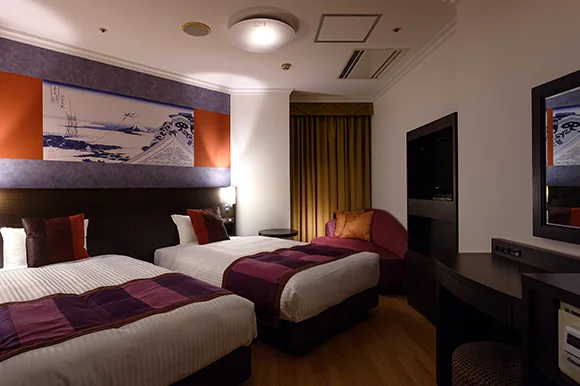
| Named twin example | 18.1 m² Standard Twin, two 110 cm beds | 24 m² Essential Twin, two 120 cm beds |
| Next morning | Ryogoku or rail onward | Asakusa and Senso-ji nearby |
Swipe to compare the hotels
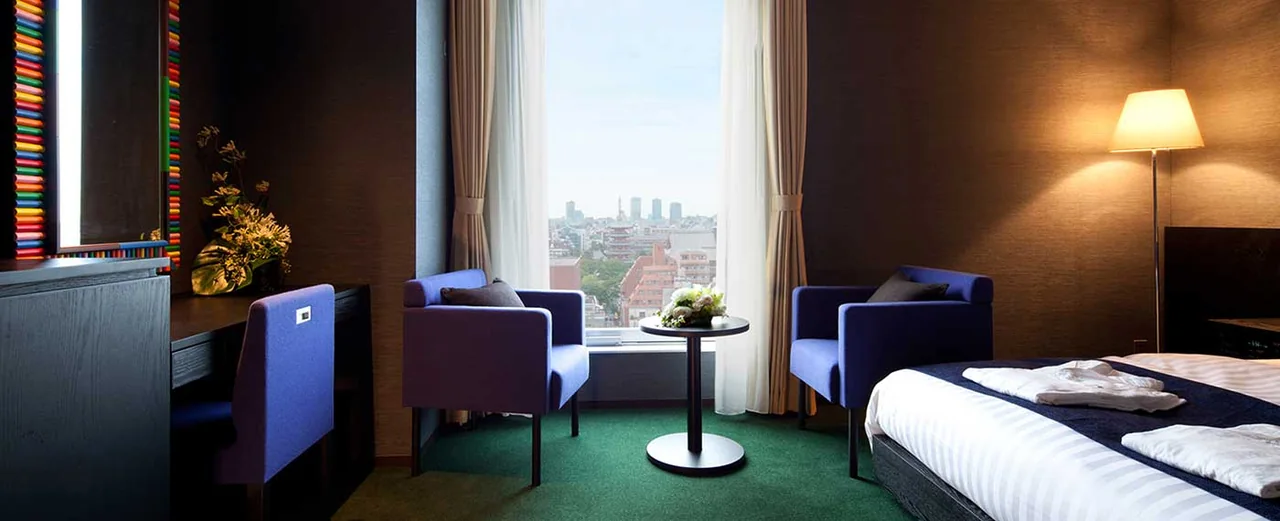
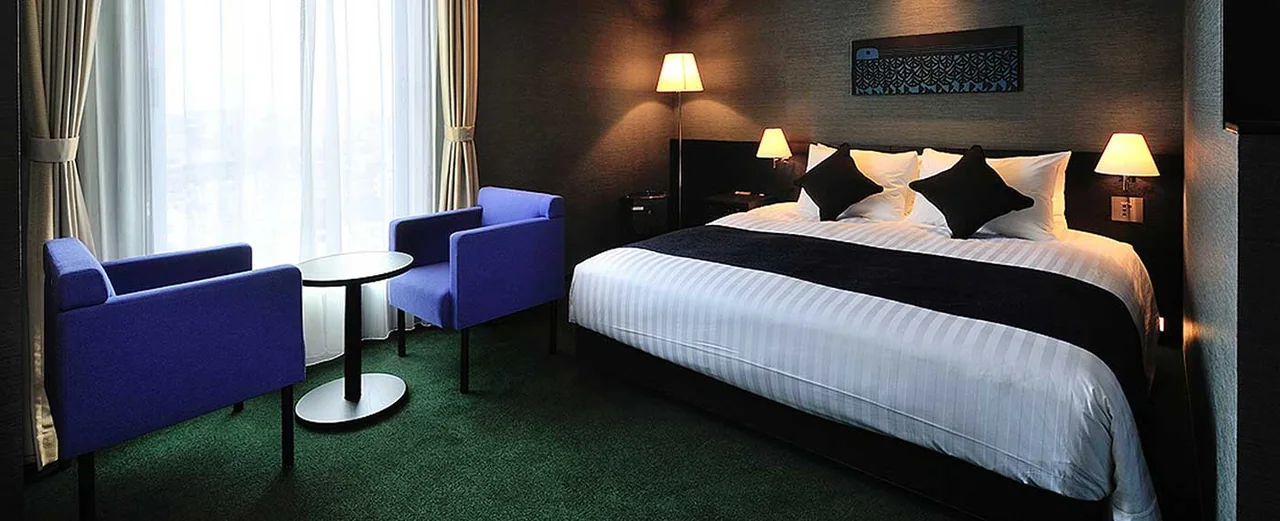
There is a simple trap in hotel searches: The Gate group also has a property in Ryogoku. This comparison concerns The Gate Hotel Kaminarimon in Asakusa, not its Ryogoku property. Confirm the address and property name before booking, especially when a search engine displays several Gate hotels together. If the location is still undecided, read the Tokyo first-time hotel area guide before choosing between two buildings whose daily routes are quite different.
First decide whether your sumo plan is an actual tournament day
A photograph of Kokugikan does not mean a tournament is taking place throughout the year. The Japan Sumo Association publishes the annual venue and ticket schedule. For the 2027 calendar currently listed, January, May and September are at Kokugikan, while the other grand tournaments are in other cities. Verify the exact dates and ticket-sale window before making a non-refundable room booking. The Tokyo sumo experience guide explains the distinction between a grand tournament, a tour event and another sumo-themed activity. The September Tokyo tournament guide gives useful context for that season, but 2026 dates should never be copied into a 2027 reservation.
If the event is elsewhere, Ryogoku View's arena adjacency may not help. If you have no ticket yet, the hotel's location should be a provisional benefit, not the only reason to buy. On a full Tokyo trip, consider where the other days finish. Asakusa can be a better base for an east-side itinerary even when one afternoon involves sumo. Conversely, a traveller who wants to explore Ryogoku and sleep near the arena may prefer to avoid crossing the city on the event night. Neither hotel purchase includes a tournament ticket; check ticket inventory separately from room inventory.
The two hotels also serve different lengths of stay. For a single sumo-focused night before moving onward, the last walk after a long event carries unusual weight. For four or five Tokyo nights with only one sumo afternoon, repeat trips to Asakusa or other neighbourhoods may matter more than that one last walk. The Tokyo four-day itinerary and seven-day itinerary help identify which side of the city your actual schedule uses most. A hotel should fit the repeated journeys, not only the most exciting ticket in the folder.
Ryogoku View buys a very short return after the arena
Ryogoku View states that it is about 30 seconds on foot from JR Ryogoku Station. The arena is on the other side of the station area and is generally a short walk; check the route from your specific arena exit rather than treating the hotel's station figure as a door-to-door arena time. The advantage is still clear. You can put a coat or shopping back in your room before the event if your timing permits, and you can return on foot afterward without boarding a crowded train. For someone using a cane, travelling with a child or carrying a bulky souvenir, that can be worth more than a better-looking hotel lobby elsewhere.
The convenience has a boundary. Check-in time may fall after you want to enter the arena, and a room is not guaranteed to be ready because you bought a ticket. Ask the hotel about luggage storage and arrive with a plan that works if you can only leave your bags. If you intend to watch early bouts, consider reaching Ryogoku well before afternoon check-in. The Tokyo luggage storage guide covers alternatives, but a hotel bag drop is easier only when its hours and acceptance rules fit your day.
For travellers leaving Tokyo the next morning, assess the departure route as carefully as the sumo night. Ryogoku View is close to the JR Chuo-Sobu local line, not an airport terminal or Shinkansen platform. A very early Narita or Haneda trip still requires planning; the Narita and Haneda to Tokyo transport guide gives the wider options. The Narita late-arrival hotel comparison is relevant if the sumo night follows an arrival day, when forcing yourself all the way to Ryogoku might add stress before you ever see a bout.
Kaminarimon buys a different morning and evening
The Gate Hotel Kaminarimon sits by the entrance to Asakusa's well-known temple approach. Its access page lists a two-minute walk from Tokyo Metro Ginza Line Asakusa exit 2, three minutes from Toei Asakusa Line exit A4, four minutes from the Tobu line's central gate, and eight minutes from the Tsukuba Express exit A1. These different figures matter if you arrive with luggage. Do not choose the shortest published number unless it refers to the line you will actually take. The Asakusa Line route may be particularly relevant to some airport journeys, but service patterns and your terminal still need checking.
The benefit of staying here is the time you spend in Asakusa outside the sumo event. You can visit Senso-ji or walk the surrounding streets early, then return after dinner without another city transfer. If your next morning includes Asakusa before a Tokyo Skytree visit, the hotel position is doing work across more than one day. The Tokyo shopping hotel guide and Tokyo rainy-day itinerary can help test whether your surrounding plans actually belong on this side of Tokyo. A desire to see Kaminarimon once does not by itself justify sleeping beside it; a morning and evening there may.
After sumo, an Asakusa hotel requires a train, taxi or longer walk. Do not assume the simple map distance means a trivial door-to-door return after several hours seated in the arena. If you plan a dinner near Ryogoku, the return happens even later. If you plan to leave the arena and eat in Asakusa, the return transfer may be part of the evening rather than an additional chore. Price the taxi only if you realistically intend to use one; road time, availability and fare vary. The decision should be based on your party's stamina and actual evening plan, not a claim that one neighbourhood is universally more atmospheric.
The room comparison can outweigh the location for more than one night
Ryogoku View has a wide range of room categories, including compact twins, standard twins, superior twins and larger rooms. Its standard twin is listed at 18.1 square metres with two 110-centimetre beds; the compact twin is roughly 14.6–15.3 square metres with two 100-centimetre beds. A superior twin is around 20.7–21.3 square metres and adds a sofa, with the exact sleeping arrangement depending on the category. Two people with large luggage should not treat all "twin" results as interchangeable. The cheaper compact twin may be perfectly sufficient for one event night but wear on two travellers over a longer stay.
At The Gate Hotel Kaminarimon, the Essential twin is 24 square metres with two 120-centimetre beds; the Essential double is also 24 square metres with one 180-centimetre bed. The hotel lists a triple arrangement within that category using an extra bed, so a three-person search should check the precise arrangement and remaining floor space. Its other room categories differ in view and features. Comparing the Gate Essential Twin with Ryogoku View's compact twin may produce a substantial room-size difference but not a like-for-like price. Compare the named rooms you would willingly use, then decide whether the extra hotel cost is buying Asakusa time, a bigger bed, or both.
The bathroom deserves similar attention. The Gate Essential lists a separate shower and bathtub for its standard arrangements. Check the Ryogoku room category on the live booking page if a separate bath matters to you; do not infer one from a photograph of a different room. For a traveller with limited mobility, neither square metres nor a map pin alone establishes suitability. The Gate lists a Universal Design Twin with different bathroom equipment and a different floor location; ask about the exact access path and room rather than booking a standard twin and hoping the layout works. The Tokyo hotels with parents guide explains why a lift, bath entry and station route should be checked as one chain.
If you are a solo traveller, a small Ryogoku room close to the event may represent an efficient one-night purchase. If you are two adults expecting to rest in the room before and after the tournament, the extra area of a larger category may matter more. The Tokyo solo hotel guide and five-to-seven-night room-size guide frame these decisions for different lengths of stay. Do not pay five nights of a larger-room premium solely for a two-minute walk used once.
Match breakfast to the following morning
The Gate's Essential room page currently lists breakfast from 06:30 to 10:00, with a stated hotel-guest price separate from its general price. Those terms can change, and an inclusive plan may price the meal differently. The choice has a practical link to the overnight: breakfast in Asakusa before a temple walk is easy to use; breakfast at the hotel is less valuable if you must leave for a train before service starts. Check the current plan details rather than assuming breakfast is included because it appears on the room page.
Ryogoku View also requires a rate-by-rate breakfast check. If you spent the tournament day in Ryogoku and want to leave early, a quick station-side morning may suit you. If you want the following morning in Asakusa, a Ryogoku hotel still leaves you a transfer before that first stop. This is why a one-night sumo stay and a longer east-Tokyo holiday can produce opposite answers. The Tokyo first and last day itinerary helps identify whether a breakfast package fits your departure time or simply delays the day.
The restaurant neighbourhood should not be guessed from a daytime sightseeing map. Both areas have places to eat, but your preferred cuisine, closing time and walking tolerance decide where dinner feels easy. A sumo ticket does not obligate you to eat chanko, and a night in Asakusa does not guarantee every tourist-facing shop stays open late. If dining is a major purpose of the trip, search for the specific restaurant's date and last order time before treating its neighbourhood as a hotel advantage. That check is especially useful after a weekend event when you may leave the arena at a busy time.
Price the one night you need, then check whether the rest of Tokyo changes the answer
Use the same date, number of adults and children, cancellation terms and breakfast choice on both booking screens. For two friends, compare a named twin to a named twin. For a couple, compare the actual double rooms and bed widths. A rate showing a spectacular view may be a different category from the entry-level room. A package connected to sumo may bundle something other than an arena ticket; read exactly what is included. Neither hotel's ordinary room rate should be assumed to reserve a seat at Kokugikan.
For a one-night tournament stay, choose Ryogoku View if the immediate post-event walk, bag drop and early access to the arena are the benefits you value. Choose The Gate Hotel Kaminarimon if the room category and the Asakusa morning justify the additional transfer after sumo. If the stay lasts several nights, draw the rest of your Tokyo days before deciding. A hotel in Ueno or Shinjuku or a Tokyo Station-side room may work better for an itinerary with one Ryogoku afternoon and many journeys elsewhere.
Finally, verify the tournament's year, venue, ticket date and your hotel cancellation deadline together. A cheap non-refundable room bought before you know whether you can get a ticket can turn a simple accommodation decision into an expensive assumption. The Tokyo concert hotel guide uses the same event-night logic: protect the journey after the show, but pay for proximity only when the event and its end time make that proximity useful.
Updated 3 October 2026. Recheck the event calendar, ticket availability, room name and transport route for your date.