
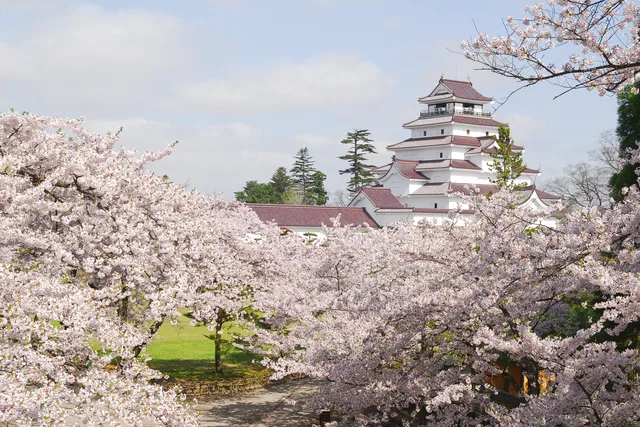
Tsuruga Castle is an easy place to buy more admission than your Aizuwakamatsu day can use. The adult keep ticket is ¥410, the keep and Rinkaku tea house cost ¥520 together, and the three-site ticket that also includes Oyakuen costs ¥730. The differences look trivial on a price board. They become meaningful when you account for the walk to each site, the 16:30 last admission to the keep and the time you actually want to spend with Aizu history. A stamp collector arriving from the station and a visitor staying all afternoon should not buy the same ticket by reflex.
My first-visit choice is ¥520 when I have roughly two hours and want more than the tower museum. I would buy ¥410 for a tight visit centred on the No.12 stamp, the museum and the view. I would reserve ¥730 for a day that already includes Oyakuen; the garden is a separate stop, not an additional floor of the keep. This is a time decision before it is a ¥110 or ¥210 decision.
Match the ticket to the part of Aizu you will actually see
| Adult admission | What it covers | When it fits | Time cost to remember |
|---|---|---|---|
| ¥410 | Castle keep museum and upper-level view | Stamp collection, Boshin War history or a focused castle visit | You still need the bus or walk from Aizuwakamatsu Station |
| ¥520 | Keep plus Rinkaku | A first visit with room for the tea-history story | Rinkaku deserves a separate look, even though it is close by |
| ¥730 | Keep, Rinkaku and Oyakuen | A planned half-day or longer across central Aizu | Oyakuen is another site and changes your route |
| Free | Castle grounds and exterior views | Photography or a brief outdoor stop | No indoor museum, tower view or keep visit |
Rinkaku on its own is ¥210, so the combined ticket is only ¥110 above the keep ticket. That makes the middle option attractive, but the value lies in seeing a different part of the history. The tea house connects the castle to Gamo Ujisato, Sen no Rikyu's son Shoan and the preservation of tea practice in Aizu. If your interest is limited to stone walls and the military history in the keep, the small cash saving from skipping it is less important than the time you get back. Travelling companions who want to move on should also count that time.
The full ticket adds Oyakuen for ¥210 beyond the keep-and-Rinkaku price. You cannot treat that as a quick bonus room. Oyakuen is a garden away from the main castle circuit; reaching it and walking it properly uses another block of the day. If your itinerary already places it after the castle, the bundle is sensible. If a train, bus or lunch reservation sets a hard departure time, the cheaper package can give you the better visit.
The indoor deadline comes before your exterior photographs
The keep opens at 08:30 and closes at 17:00, with last admission at 16:30. The grounds give you much more freedom for an exterior view, so do the time-limited museum first when you arrive late. The museum and top-floor view are the reason to pay for the keep; photographing the red roof from the Honmaru before entering can consume the remaining entry window. If you have the ¥520 ticket, check Rinkaku's own access on arrival and leave enough time for it rather than assuming that paying for a combined ticket extends either site's hours.
For the Japan 100 Famous Castles No.12 stamp, the current placement is around the museum-shop entrance and exit route. The shop can be entered without a keep ticket. On a stamp-only stop, ask a member of staff for the way to the stamp; the fact that the shop is free does not mean the museum exit is a shortcut you should walk against visitor flow. If you are taking the museum route, you can collect the stamp when you finish. This differs from the stop-first planning at Nihonmatsu Castle, where the uphill walk changes the visit.
How long should you leave after reaching the castle?
| Time at the castle area | Working route | Ticket decision | What you leave out |
|---|---|---|---|
| About 60 minutes | Keep museum, stamp, then a short Honmaru and stone-wall look | ¥410 | Tea-house visit and Oyakuen |
| 90–120 minutes | Keep, stamp, Rinkaku, then the exterior at an unhurried pace | ¥520 | Oyakuen unless it was a firm priority |
| Three to four hours or more | Castle area followed by Oyakuen as a second destination | ¥730 if both sites really fit | Extra city stops that would force you to rush the paid sites |
| Arrival after 16:30 | Exterior walk and photographs | Grounds only | Keep museum that day |
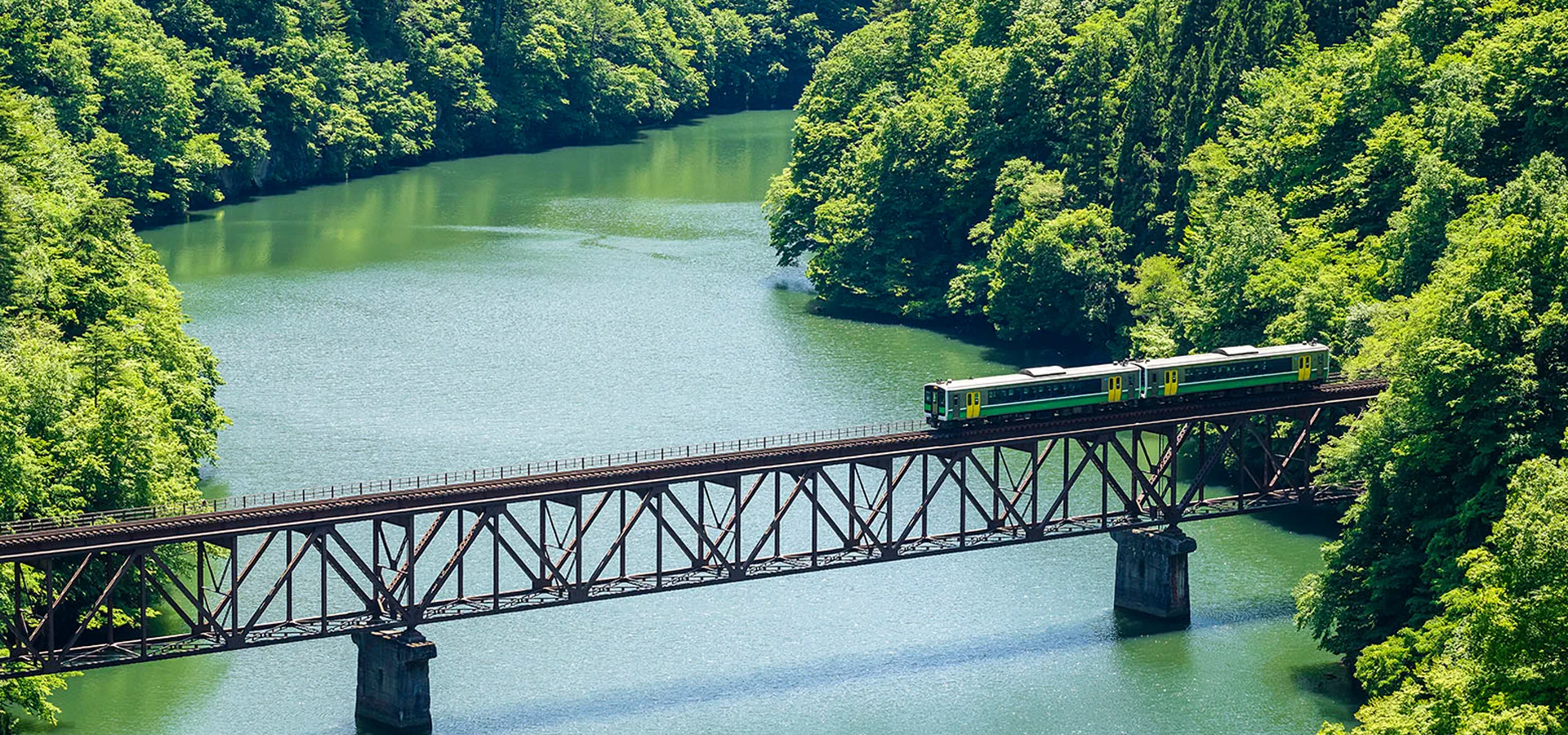
These are time blocks at the attraction, not door-to-door estimates from a train. Aizuwakamatsu Station is not beside the keep. The city loop bus reaches the Tsurugajo entrance area in roughly twenty minutes, followed by a short walk of about five minutes. You may spend additional time waiting for a bus and finding the stop. A one-hour train connection therefore does not produce an hour inside the museum. Plan the Aizu stop within the wider Tohoku autumn route before choosing a ticket at the castle.
Loop-bus frequency is often described as around every thirty minutes, but the usable connection depends on direction, day and current timetable. The Haikara-san and Akabe circuits are helpful for a city day, yet their different directions can add a substantial detour if you board whichever arrives first. Check your departure point and destination together. A late-afternoon return bus is especially important if you are travelling onward the same day. For a very tight rail connection, the castle is a poor add-on even when the ¥410 ticket is cheap.
A reconstructed tower can still be the right history visit
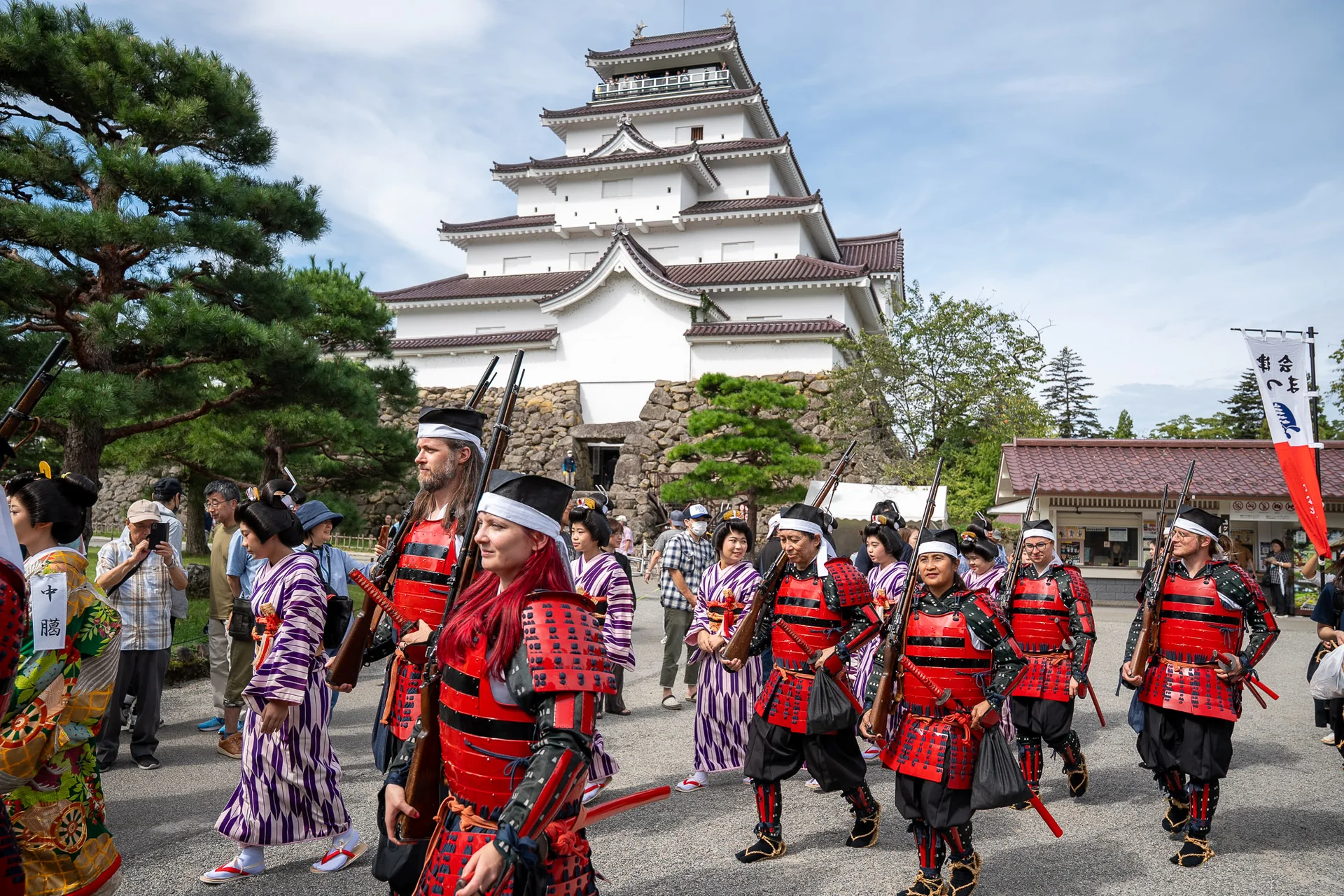
The present keep was reconstructed in 1965, using early Meiji-era photographs as a reference. Its distinctive red-tile roof was restored in 2011. The original castle buildings were dismantled after the Boshin War era; you are not walking through an untouched Edo-period tower. The surviving stonework and the plan of the site, however, remain part of the older castle landscape. The museum provides context for Aizu's lords, the Boshin War and the place the castle occupies in regional memory. Whether you pay to enter depends on which layer of that story you want.
If your focus is architecture from the outside, the free grounds are a coherent choice. If you want to understand why the castle mattered, the ¥410 museum ticket earns its place. The fifth-floor view helps relate the former defensive site to the modern city, but it should not be sold as a substitute for reading the exhibits. On a rainy day, the indoor portion also makes a planned Aizu stop more resilient, while the stonework and park remain exposed.
Comparing other castle days makes the distinction clearer. Nejo Castle asks you to read a reconstructed settlement rather than climb a keep. Taga Castle is a broad archaeological landscape with a newer South Gate. The experience at Morioka Castle leans heavily on stonework and a separate museum. Tsuruga's combination of a reconstructed landmark, indoor interpretation and surviving site layout is why the keep ticket may be useful even though the tower itself is modern.
Access needs can change the best package
The keep interior involves stairs. A traveller who cannot comfortably climb them should not buy the three-site pass just because its nominal price is low. Parts of the park have more accessible facilities, and Rinkaku may offer a more workable visit, but routes through a historic castle site still need a day-of check. Ask about the actual entrance and surface you would use before buying a package. A companion who is not entering the tower can spend time on the grounds; they do not need to hold the same ticket as everyone else.
This matters for families as well as travellers with limited mobility. A narrow timetable, tired children and a steep museum staircase can turn the longest package into the shortest useful visit. A focused keep circuit followed by open-air time may suit the day better than forcing the entire group to complete three admissions. The same calculation applies to a bad-weather day: the indoor keep is useful, but Oyakuen's garden is less appealing if heavy rain will send you back to the bus early.
Aizu Festival days are a different kind of castle day
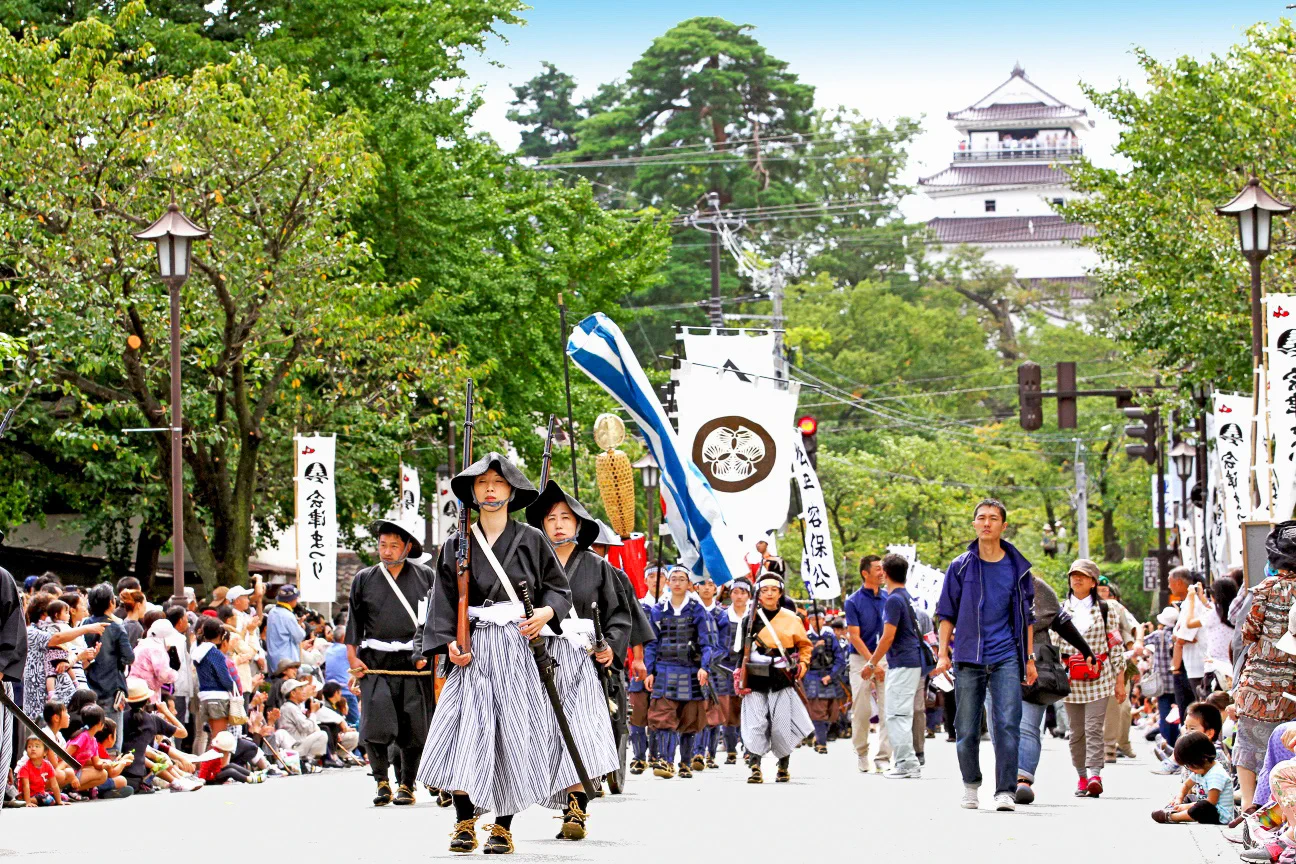
The 2026 Aizu Festival ran on September 19–21, with the domain-lords procession on September 20 and the castle Honmaru used as part of the event programme. Those dates have passed as of this update. They illustrate why a festival day cannot be planned with the ordinary 90-minute museum assumption: crowd movement, event routes and access to parts of the grounds can change the way you use the site. For a future festival visit, choose whether the main purpose is the procession or the keep before buying admission. The Aizu Festival day plan explains the 2026 event route; treat it as context for that year, not a timetable for the next festival.
For a quieter castle circuit, compare the event calendar with the timing of your regional rail plan. Shirakawa Komine Castle is another castle stop on a southern Tohoku route, but it is not a drop-in replacement for Aizu's museum and tea-house combination. Mito Castle is more useful when you want a short history walk close to the Tokyo-facing rail corridor. The right choice follows your actual route, not a ranking of castle numbers.
Seven planning dimensions for this stop
| Dimension | What changes the decision at Tsuruga Castle |
|---|---|
| Admission value | All three adult tickets are inexpensive; the time spent on an added site is the larger cost. |
| Time efficiency | The keep can fit a focused visit, but station transfers and Oyakuen widen the time block. |
| Access | A city loop bus reaches the entrance area; the 16:30 keep cutoff still governs late arrivals. |
| Weather | The museum gives you an indoor reason to visit, while the castle park and garden remain outdoors. |
| Crowds | Ordinary days allow a flexible circuit; festival days can change movement through the Honmaru. |
| Route fit | Aizuwakamatsu works best as a genuine city stop, not a short gap between trains. |
| Distinctiveness | Red roof, historic stonework, Boshin War interpretation and Rinkaku's tea history belong in one area. |
Those dimensions are more useful than a single numerical score. The case for Tsuruga becomes stronger when you have a half-day in Aizu and care about both the castle and the city. It weakens when the station transfer eats most of the available time. The tower's reconstruction also affects expectations differently: it can disappoint someone seeking original timber interiors, while a visitor interested in Aizu's history may find the museum the point of going in.
Plan the surrounding route before buying online
A ticket sold in advance is only useful once you know which of the three admissions your day supports. Check the included sites and validity on the product shown for your date; do not assume a castle voucher covers Oyakuen. Direct purchase at the site is a reasonable plan for a normal visit when you have not settled the package. If a future special event changes entry arrangements, use the event's current details. The admission prices and hours stated here were checked for this update, but any visit on a later date should use the price and opening information displayed at booking or on arrival.
If you are building a castle-collection journey, the stamp logistics differ widely by site. Sendai Castle separates open grounds from stamp access. Sakura Castle is a moat-and-earthwork stop rather than a tower visit. Goryokaku makes you decide whether a separate tower view earns its price. Hirosaki Castle has its own keep-access constraints. Reading the relevant stamp and entry sequence before arrival saves more time than buying every ticket early.
Other northern castle days may fit a long Tohoku circuit if they are already on your rail route. Kubota Castle has a free ruins visit with optional paid elements. Matsumae Castle requires a larger transport decision than its ticket price suggests. The Nemuro fortified enclosure sites are much farther from a standard castle itinerary. Tsuruga's strength is that one Aizuwakamatsu stop can hold the museum, tea history and a garden when you allow the time for all three.
For a short Aizu visit, buy the ¥410 ticket and make the keep and stamp the first tasks. With ninety minutes or two hours at the site, the ¥520 ticket adds a worthwhile historical layer at Rinkaku. Buy ¥730 when Oyakuen is already a committed second destination and the bus or train plan can absorb it. If you are staying overnight, compare rooms around Aizuwakamatsu against the last bus and your next morning's departure. If you arrive after last admission, use the free grounds and leave the museum for another day; no small ticket discount can recover a closed door.