
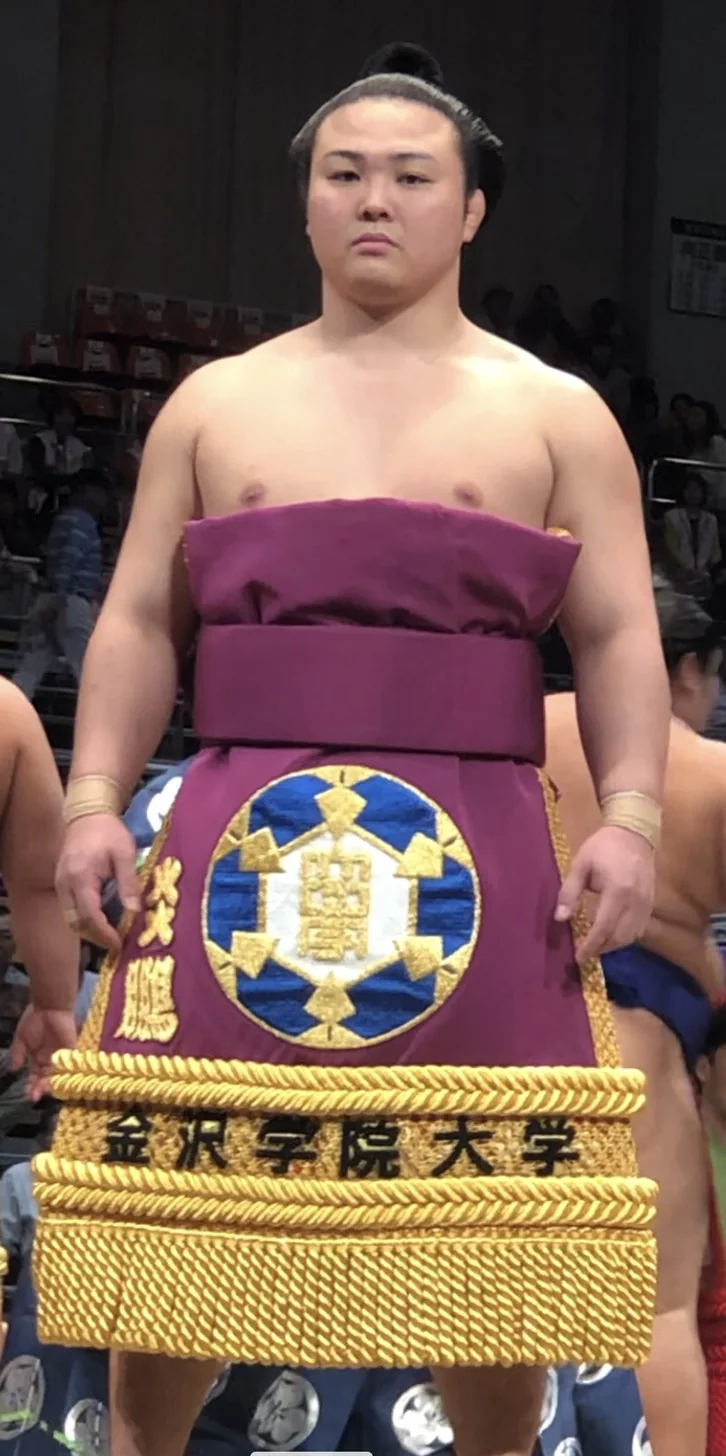
The November Grand Sumo Tournament is in Fukuoka from 8 to 22 November 2026. A ticket places you inside Fukuoka Kokusai Center for a day that can start early and finish after the top-division bouts. It does not answer where to sleep. Hakata Station, Tenjin and the bayside around the arena all appear close on a city map, yet each produces a different last leg when the crowd leaves. The hotel question is especially sharp if you have dinner plans or a Shinkansen the next morning.
For most one-day visitors, I would choose Hakata when the tournament is followed by a rail departure, and Tenjin when the evening meal and city stay are the real extension. A bayside room may shorten the walk from the arena but can make the following morning less convenient. This article focuses on the post-bout route and the overnight choice. The Fukuoka hotel hub is a broader starting point if you are still deciding how many nights to spend in the city.
Swipe through earlier event photographs
What the 2026 tournament schedule actually establishes
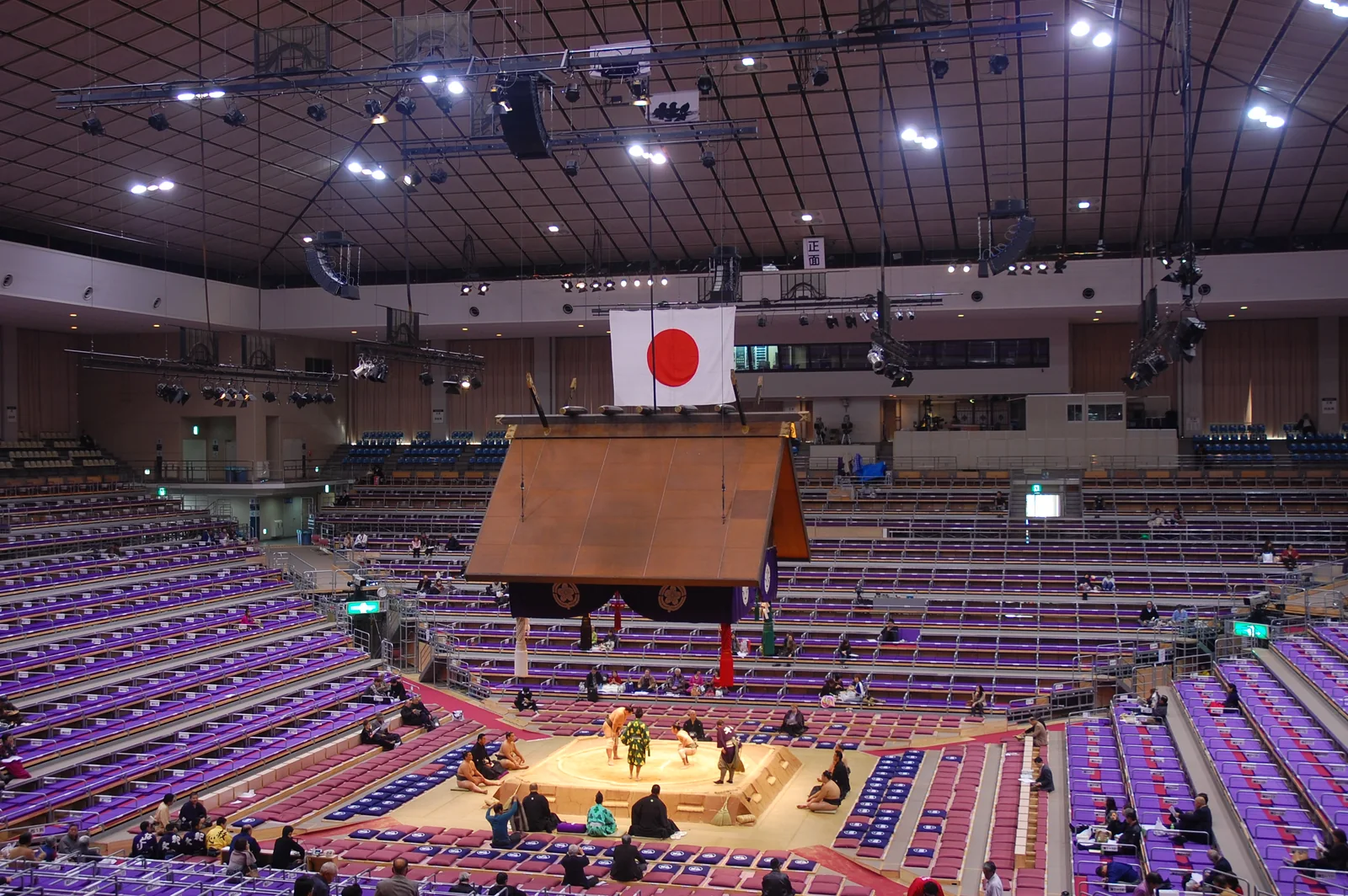
The Japan Sumo Association's 2026 November viewing page confirms 8–22 November at Fukuoka Kokusai Center. Its daily timetable shows that the programme is not a two-hour evening show. Doors and lower-division action begin earlier; later divisions and ceremonial segments lead toward the headline bouts. Opening times and the precise order can differ by day, especially on the final Sunday. Check the date on your ticket and the current day's schedule before turning a generic “sumo afternoon” into a rigid restaurant reservation.
Seat type also changes the hotel calculation. The association's 2026 seat information distinguishes floor box seats from third-floor chair seats and says no unreserved seats are sold for this tournament. A visitor with a box seat may be seated on the floor for many hours; a chair seat gives a different level of physical comfort. That is not a reason to declare one ticket universally better. It does mean a long sightseeing walk before the arena and a distant hotel walk afterwards may be unwelcome. Buy the seat you can use, then choose a room that suits the full day rather than only the distance from the building.
| Your tournament day | Stronger hotel base | Reason |
|---|---|---|
| Day ticket, next morning Shinkansen | Hakata Station | Shortest last transfer before departure |
| Day ticket, dinner and another Fukuoka day | Tenjin | More central for an evening that continues after sumo |
| Several sessions, minimal post-bout travel | Bayside or arena-side property | Walk to the room may outweigh weaker rail access |
| Family with luggage and an early flight | Hotel near the actual airport rail route | Departure logistics become more important than one arena walk |
The table assumes a normal city transit day and a ticket you already hold. If your group includes someone who needs step-free access, check the arena's arrangements and each hotel-to-stop route separately. “Near the venue” is not enough if the practical path has an awkward crossing or the room only works with a crowded bus after the bouts.
Hakata protects the next morning
Hakata is the straightforward base if you enter or leave Fukuoka by Shinkansen. A station-area room lets you put your luggage down before the tournament, travel to the venue without it, and return to a known point after the bouts. Miyako Hotel Hakata is a genuine property attached to the east side of the station area and works as a hotelname-specific search. It is not automatically the best price or room for a sumo ticket holder; compare its exact entrance and rate with nearby alternatives. The Hakata Station hotel comparison and Hotel Forza Hakata station review help test whether a smaller station room is enough.
The weakness of Hakata is that it does not give you the simplest spontaneous dinner after the arena. You still need a return ride or walk, and a popular restaurant may have a fixed last order. If your purpose is sumo plus a good meal, identify that meal before booking the room. A table near the arena, Hakata or Tenjin can each work, but they pull the hotel choice in different directions. The Hakata Station dinner guide makes sense if you want to eat after returning to the station. The Fukuoka yatai district guide is useful if street food is a planned part of the night; check its district and opening patterns for your date rather than assuming a stall will be waiting immediately outside the arena.
If you arrive from elsewhere in Kyushu on the tournament morning, a Hakata room can also solve luggage. Ask the hotel if it will accept bags before check-in. Do not carry a full suitcase to Fukuoka Kokusai Center unless the venue's current rules and your seat arrangement genuinely support that plan. If the hotel will not hold luggage, identify a suitable station facility before you leave the platform. The Fukuoka late-arrival hotel guide deals with the reverse problem—arriving after normal city hours—and is worth consulting if your itinerary puts the tournament immediately after a flight.
Tenjin is for the evening that follows the bouts
Tenjin can be the stronger choice when you have a second city day and want dinner, shopping or a drink after sumo. It is a district rather than a single station exit; the best hotel depends on which side you plan to use. The Tenjin–Nakasu hotel comparison shows why a hotel that seems equally central on a map can feel different after dark. A stay near the right transit stop and restaurant may make the tournament feel like part of a city break rather than a one-off arena visit.
Tenjin loses its edge if you must be on an early Shinkansen. You would add a morning move from hotel to Hakata after a full arena day. That is manageable for someone travelling light, but less attractive with children, an older companion or a strict departure time. The Hakata or Tenjin early flight guide makes a similar point for the airport: count the first transfer when evaluating a hotel, not only the final long-distance journey. If your dinner really is in Tenjin, the extra morning trip may be worth it. If dinner could be anywhere, a Hakata room may be simpler.
The arena-side or bayside alternatives deserve a precise question: what do you gain after the bouts, and what do you give up the next day? A short venue walk can be valuable after hours of sitting, but a hotel on the waterfront may require a bus or taxi to the rail station. Check the actual entrance and current service after your chosen session. Do not assume that every advertised “port” property is walkable to Fukuoka Kokusai Center. The Fukuoka concert hotels guide is a useful analogy: event venue proximity and departure convenience often point to different neighbourhoods.
| Area | After the final bouts | Following morning | Booking caution |
|---|---|---|---|
| Hakata Station | Transit back, then station-area dinner | Simple rail departure | Verify which station side your room uses |
| Tenjin | Better if dinner and city nightlife are the plan | Extra trip to Hakata for Shinkansen | A broad Tenjin label can hide a longer walk |
| Arena/bayside | Potentially shortest walk to bed | Bus, taxi or longer walk to rail | Confirm the exact property-to-arena route |
Rates and availability will vary across the 15 tournament days. A Saturday or the final day may not resemble a midweek session. Do not generalise from a single search result, and do not book a non-refundable hotel before you know whether your seat purchase succeeded. The association's 2026 ticket purchasing information says some seat types can sell out during advance rounds; it also says same-day sales are not assured if advance inventory is exhausted. A hotel reservation does not create a seat.
There is a useful order to these transactions. First identify two acceptable tournament dates and the seat categories your group can actually use. Next check the rooms in Hakata and Tenjin with cancellation deadlines clearly visible, including the total cost for the number of guests you need. Then obtain the tournament ticket through the organiser's listed channels. Finally keep or release the hotel option that fits the successful ticket date. If you can only travel on one day, reverse the middle steps only when the hotel has a genuinely flexible cancellation policy. Avoid paying separately for a rigid room and a ticket that may not be available. The public sales page says there is no unreserved-seat fallback in 2026, so the risk is practical, not theoretical.
If you are choosing between an opening day and a weekday later in the tournament, do not assume the arena experience or ticket price will be identical. Wrestler status, seat availability and crowd levels can change. The hotel should support either date without forcing you to miss the part of Fukuoka you value most. A room move during a multi-day stay can sometimes lower cost, but packing after a long tournament day is a poor saving for many people. Set a personal price ceiling for the better district and compare the full two-night itinerary, not a single night's headline rate.
Build the day around the seat, the meal and the exit
Start by deciding how much of the tournament you want to see. Arriving early lets you watch lower divisions and understand the rhythm of the competition, but it means a longer period in the arena. Arriving only for the later bouts reduces time in the seat, but it also removes some of the context that makes the day memorable. If you have a box seat and know floor sitting is uncomfortable, plan breaks permitted by the venue and avoid stacking a long walking tour before the event. The Fukuoka three-day itinerary can be adapted around a full sumo day; do not put its most demanding sightseeing on the same morning merely to fill every hour.
Food at the venue and outside it should be treated as separate options. The association lists arena-front food trucks during tournament days, but opening hours and individual vendors can change. A ticket holder may be able to use a re-entry process subject to the current rules. Check this on the day. For a post-bout restaurant, leave buffer for the crowd and the trip to the chosen district. A reservation immediately after the expected final bout can be more stressful than useful. If the meal is a central part of the trip, call or check its current booking rules before you choose the hotel. The Fukuoka food-trip hotel guide and Fukuoka mentaiko restaurant guide can help match that meal to a district.
Families should count fatigue as a real travel cost. A child may enjoy the atmosphere but tire before the later bouts. If that happens, a centrally placed hotel gives one adult a practical way to leave without forcing the whole group onto a long return. The Fukuoka family hotel guide discusses bedding and room space; the Fukuoka hotels for parents guide helps when the group needs a gentler pace. Neither can tell you how long your particular group will want to stay inside the arena. Choose a seat and exit plan that leaves room for an early departure.
Solo travellers have a different balance. A smaller Hakata room may offer the cleanest one-night stop, while Tenjin may be worth the extra transfer if the rest of the evening matters. The Fukuoka solo hotel guide and budget hotel guide can help identify room categories, but check the precise walk after the arena rather than taking “central Fukuoka” at face value. If you are pairing sumo with a workday, the remote-work stay guide is relevant only if the room has the desk, quiet and checkout timing you need.
The morning after should settle the final choice
Look at the first fixed commitment on the day after sumo. An airport departure, Shinkansen, another Kyushu city or a relaxed Fukuoka morning will pull you toward different bases. The Fukuoka transport guide helps with the network; the Fukuoka day-trip base guide is useful when the tournament is one stop in a longer stay. If your next night is Yufuin or Beppu, the Hita–Yufuin–Beppu two-night plan can help decide whether to change hotels immediately or spend one more night in Fukuoka. Do not let a cheaper tournament-night room create an unnecessarily difficult departure.
I would book Hakata for a one-day sumo trip that ends with a rail departure the next morning. I would book Tenjin when dinner and a second city day are equally important. I would use a venue-side hotel only after checking the actual walking route and the next morning's transport. Buy the seat first, confirm the day's arena timing and then reserve a room whose last journey you can comfortably make after several hours of sumo.
For a two-day tournament visit, consider whether returning to the same hotel after both sessions is more useful than changing districts for variety. A familiar station exit and a known dinner route become valuable after an arena day, especially if you leave at different times on the two nights. A second ticket also increases the cost of a booking mistake: keep the room cancellable until both seats and transport are settled. If you plan to attend only one session and use the second day for sightseeing, choose the hotel for that next day's route as well as for the evening after the bouts.