
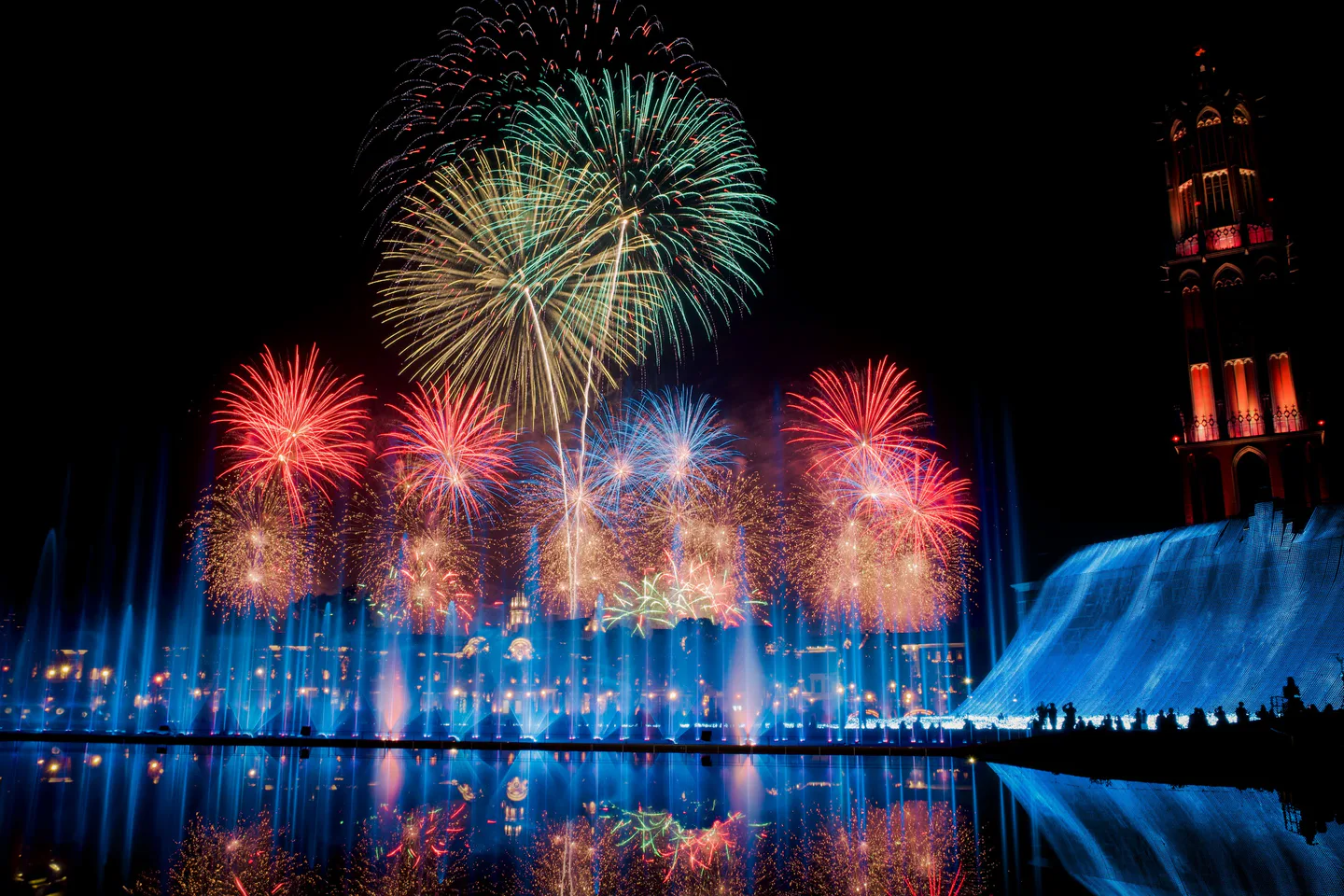
Huis Ten Bosch’s Kyushu fireworks night is set for Saturday 14 November 2026, with 22,000 effects between 18:45 and 20:30. The park stays open until midnight, so the journey after the finale can be as important as the view during it. The transport situation has changed since summer: JR Kyushu has now published special trains for the event, including late services towards Hakata, Sasebo and Nagasaki. A Fukuoka return is possible to plan around an actual train rather than an assumed one, although the walk from the viewing zone and a reserved seat on the train still need attention.
The first decision is where you want to wake up on Sunday. A night near the park lets you see the finale, wait out the initial exit crowd and use the illumination after 20:30. Returning to Fukuoka saves a hotel change and leaves the next morning in Hakata, but it makes the station departure a fixed boundary. A chair inside the park solves waiting for a viewing spot; it does nothing to shorten the walk to Huis Ten Bosch Station.
The rail timetable turns the Fukuoka option into a real choice
JR Kyushu’s 14 November special-service notice includes several evening departures towards Hakata after the scheduled 20:30 finish, and also lists extra trains to Sasebo and Nagasaki. On the Hakata side, published post-show departure times include 21:09, 22:15, 22:37 and 23:10. The 21:09 train leaves only 39 minutes after the advertised end of the fireworks. It is a poor target if your seat is far from the exit or if you want the final burst without a sprint.
The later Hakata trains create more breathing room, but a departure time is not a promise of space. These special limited expresses use reserved seats; purchase a place on the actual train you intend to take. JR began selling the designated seats on 14 October. Confirm the date-specific station timetable before travel, especially if you are connecting onward from Hakata after midnight. The existing Limited Express Huis Ten Bosch train information explains the regular service; the event notice supplies the extra-train decision that the older page lacked.
For a family or a visitor with mobility constraints, allow time from the fireworks seat to the station rather than calculating from 20:30 alone. A spectator at a distant zone must first leave that zone, follow crowd routing and cross the park exit before reaching the platform. The organiser’s event access information is the place to review the route and any day-specific restrictions. A late train with a booked seat can now beat a hotel premium for some travellers, but it does not reproduce the freedom to linger in the illuminated park.
↔ Scroll table left or right
After the 20:30 finale | What it changes |
21:09 Hakata-bound departure | Only 39 minutes from scheduled show end to train; substantial pressure on the walk out |
22:15, 22:37 or 23:10 Hakata-bound departures | More exit buffer; confirm and reserve the actual service before choosing a viewing zone |
Local overnight | No station deadline after the show; room cost and the next morning’s plan matter |
Car return | Flexible departure time, but parking availability and traffic remain separate constraints |
The local room becomes especially useful if Sunday continues in Sasebo, Nagasaki or another western-Kyushu stop. If Sunday is a normal Fukuoka day and a suitable train is still available, staying by the park may mainly buy comfort after the fireworks. The western-Kyushu base comparison helps make that next-day choice; a Nagasaki two-day route gives a reason to continue west rather than doubling back immediately.
What the admission and viewing tickets cover
The fireworks viewing chair is a separate purchase from park admission. The 14 November programme lists the 18:45–20:30 show and a 10:00–24:00 park day, with final park admission at 21:00. Do not confuse a seat purchase with permission to enter the park. The event-day ticket needs to be part of the budget unless an applicable hotel benefit supplies it.
The Panorama View seat categories currently include P-A at ¥4,000, P-S at ¥7,500 and P-SS at ¥12,000 per seat. The P-Camera position is ¥16,000 and gives a designated shooting footprint. Other viewing areas have their own tiers, and the more expensive label does not mean every visitor needs that particular angle. A lower-priced chair can do the practical job for a family whose main problem is standing and finding a spot before 18:45.
The seat is assigned rather than individually selectable, and the event terms do not allow cancellation or changes after purchase. This matters for a group hoping to choose a particular row, for someone whose transport is undecided and for a photographer wanting a specific foreground. Decide which view and access route are acceptable before paying. A guaranteed chair is a certainty about having a place, not a guarantee of an identical picture to the promotional image or a queue-free exit.
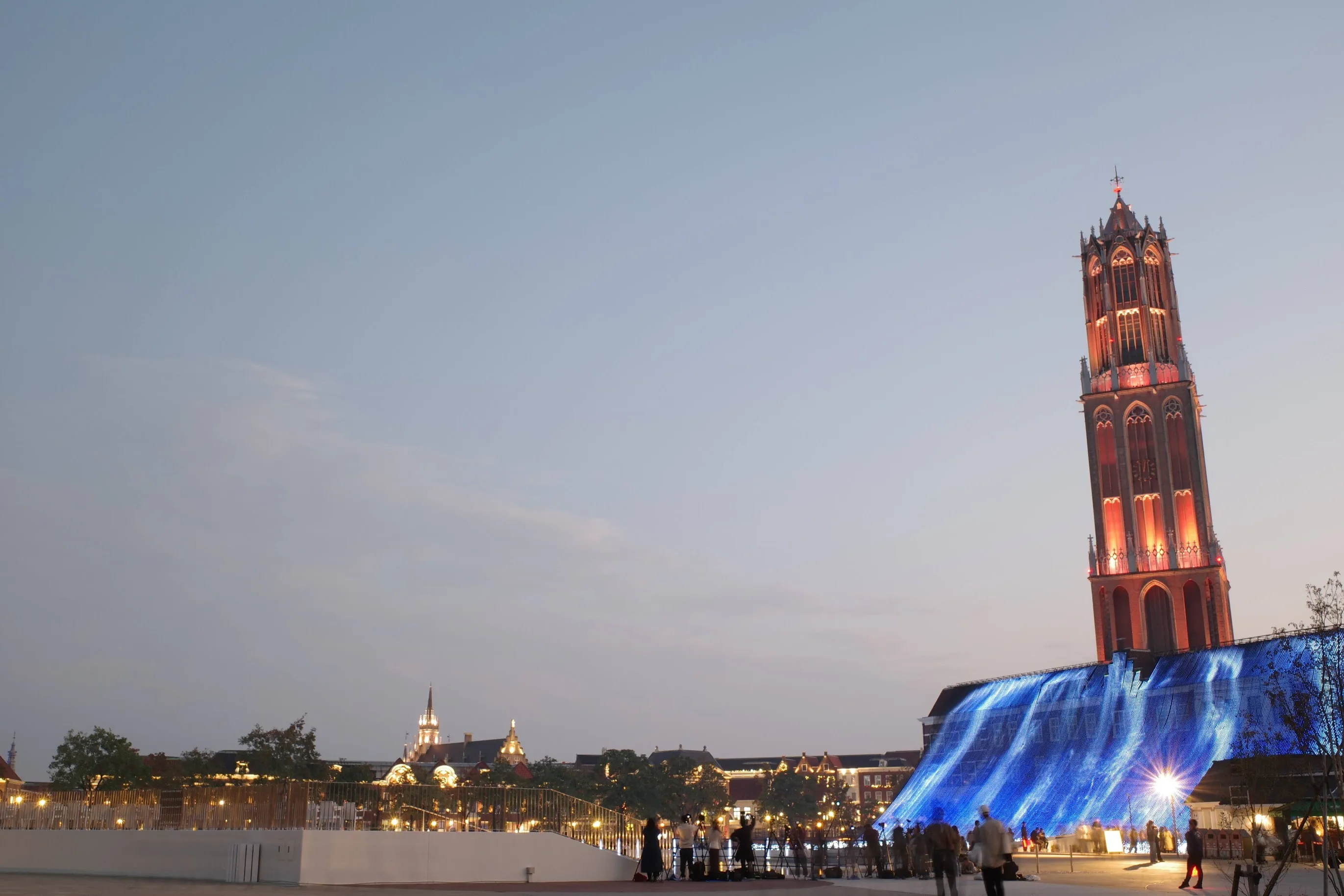
Most visitors do not need to pay for the specialist camera category. Ordinary-seat tripod use is restricted to eye level; the camera seat provides more room for equipment. That extra space is useful when a camera and support will actually be set up for the full programme. It is harder to justify when a train booking would force you to pack up before the finale. Establish the return plan, then decide whether the particular shooting position earns its price.
The Friday hotel benefit changes Saturday’s ticket bill
There is a useful two-day exception to the standard admission calculation. Guests staying on Friday 13 November at Hotel Europe, Hotel Amsterdam, Forest Villa, Hotel Den Haag or Hotel Rotterdam may receive the eligible next-day park passport for Saturday when the arrival-day admission conditions are met. The benefit does not include a special fireworks viewing chair. A Friday check-in plus Saturday event can therefore cost differently from a single Saturday hotel night plus a separate park ticket.
Compare the actual package rather than only the room rate: Friday admission needed for the hotel benefit, Saturday passport inclusion, the independently purchased chair, and the number of hotel nights you will use. A traveller already spending Friday at Huis Ten Bosch can gain more from this rule than someone adding Friday solely to avoid a Saturday ticket. The related two-day passport guide covers that eligibility trap in detail.
A workable afternoon before 18:45
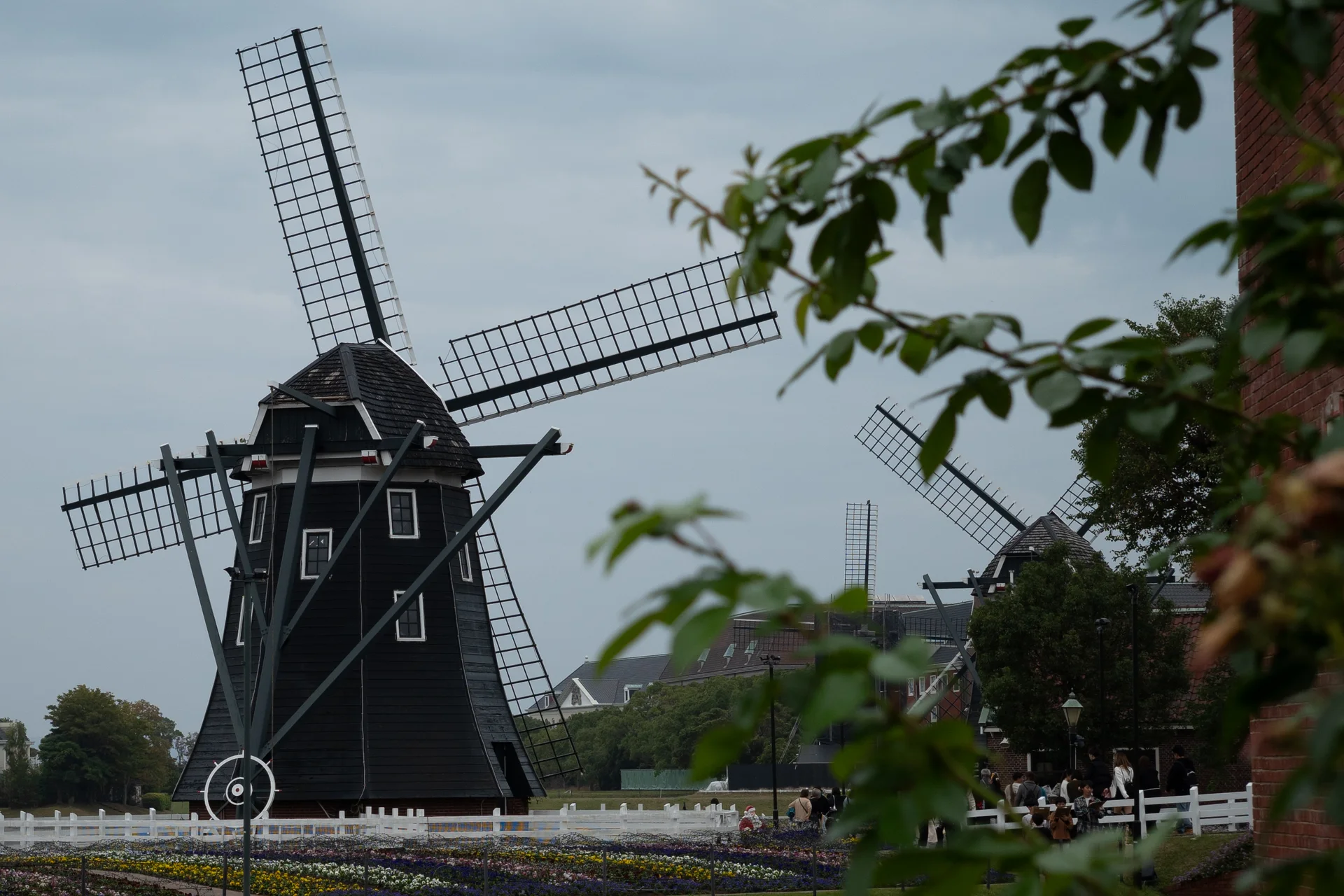
Arrive with enough daylight to find the viewing zone, eat and take a seated break. There is little gain in squeezing one more ride into the hour when the food queue or cross-park walk could cut into the event you came for. Keep ordinary attractions flexible; treat the fireworks start as the day’s immovable appointment. The park’s European-style streets, windmills and seasonal displays make useful low-pressure stops, but none requires a fixed slot like a reserved chair does.
Dinner also needs a decision before you settle into the viewing area. The midnight park closing time does not mean every dining venue will take a full meal after 20:30, when a large crowd finishes watching at once. Eating early, carrying permitted food where rules allow, or choosing a specific post-show restaurant are different solutions. Anyone with a dietary restriction should establish the actual option before the show rather than relying on the park’s late closing time.
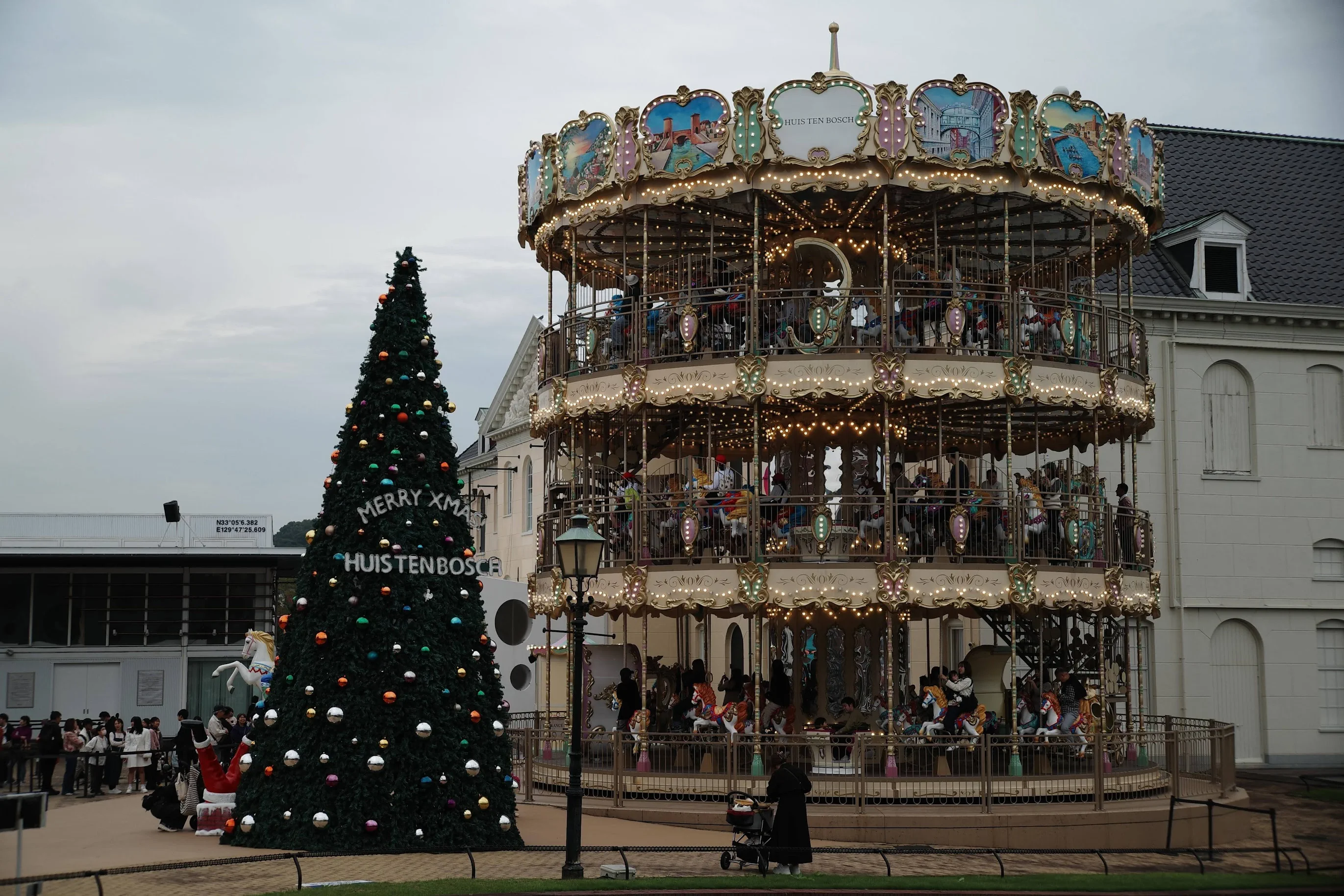
After the fireworks, a local guest can let the first station-bound wave move and return to the park’s illuminated areas. A rail passenger can also enjoy part of the later night if holding a 22:15 or later reservation, but should work backwards from the train and the exit route rather than the midnight park closing. The special-service announcement makes a Fukuoka day trip more credible than it was in August; it does not remove the difference between leaving around 21:00 and staying near the park.
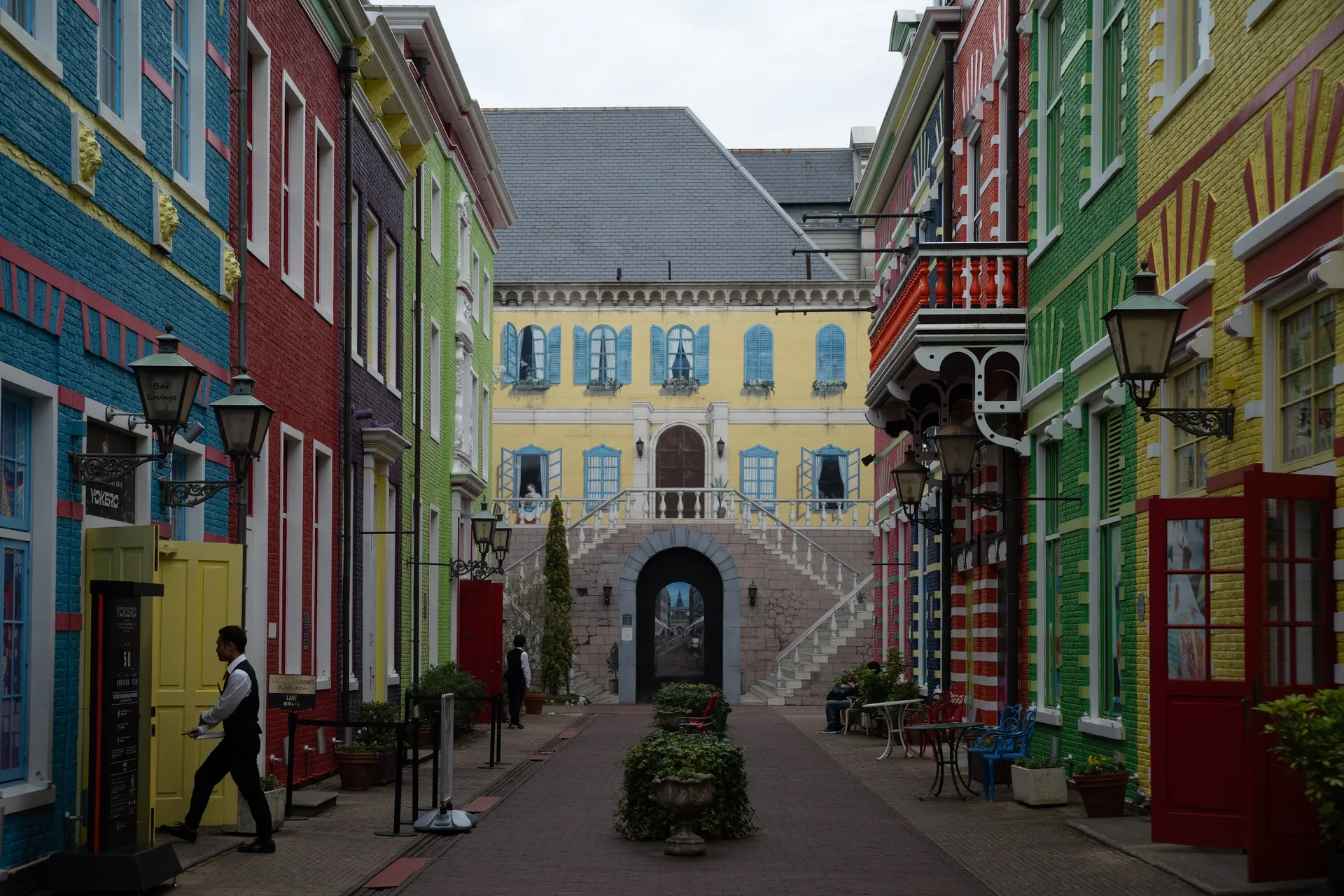
Cars and photographs do not erase the exit problem
Driving replaces the train deadline with parking and road uncertainty. Parking for the fireworks is first come, first served; a visitor delayed by a full car park cannot assume the viewing-seat purchase will be refunded. A car may be the right tool for a western-Kyushu route with several stops, but renting one solely because the train timetable was once unpublished makes less sense now that event services have been announced. Driver fatigue also matters after a long park day ending late at night.
For photographs, the sky angle is only one part of the plan. A camera seat may provide a controlled tripod area, while a lower-priced chair may be enough for a phone or hand-held camera. The foreground in your picture depends on viewing zone and available sightline; the final 5,000-effect burst described in event promotions is little use to a photographer who must start packing early. Match equipment, zone and departure time before buying the specialist ticket.
Bad weather or operational changes can affect how a large open-air show feels and runs. A cancellable room or a later train booking gives some flexibility in the itinerary, but neither changes the seat purchase terms. Use the event page and JR date-specific information for final operating details close to travel, then leave realistic walking time in whichever return option you select.
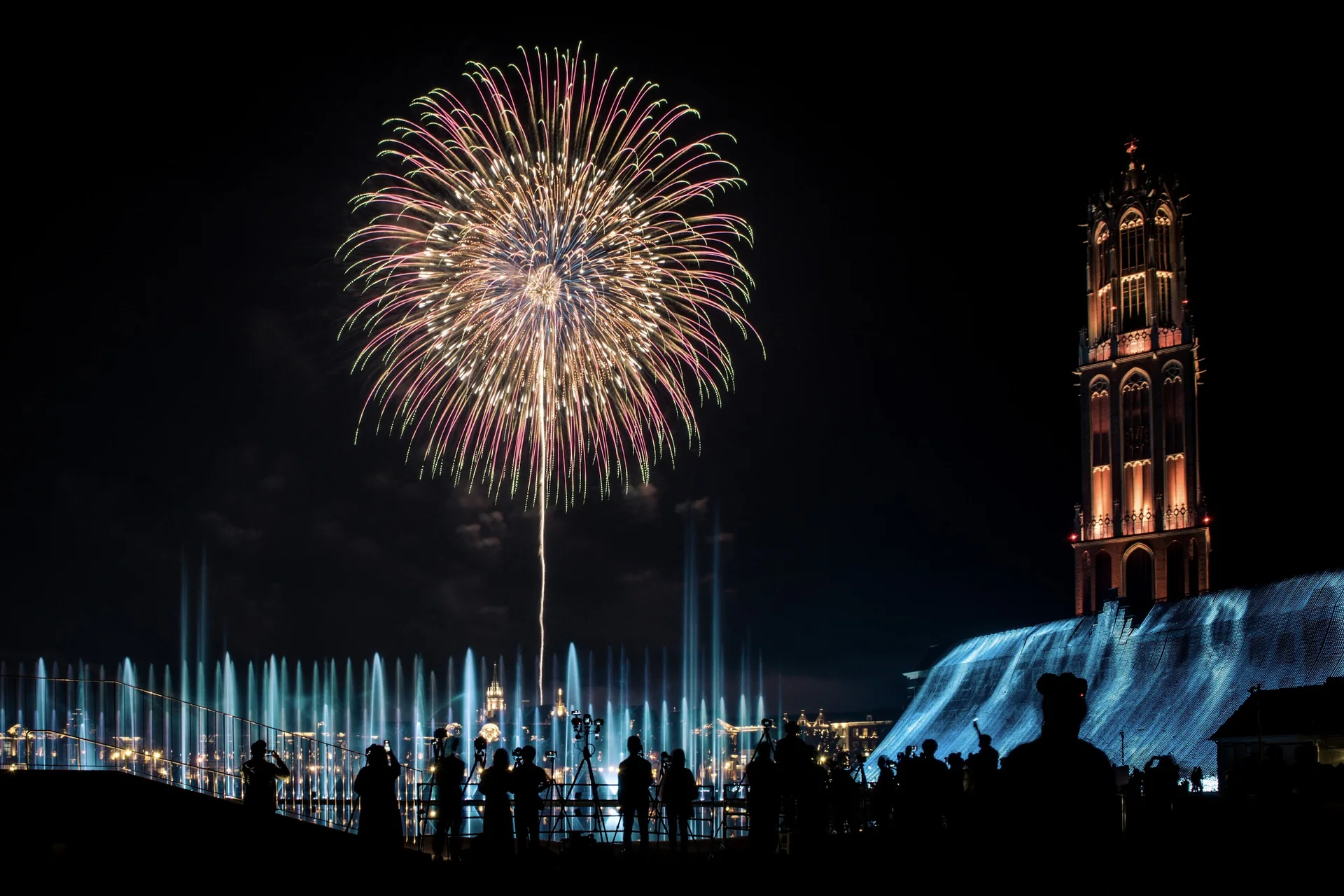
A Fukuoka-based visitor with a booked late special train can now watch the 20:30 finish and return the same night. A local overnight still buys a gentler departure and more time in the park after the show, especially for children, older companions or a next-day Sasebo or Nagasaki plan. The viewing seat should be chosen for the person who will sit in it; the hotel and train decision should be made for the entire party’s journey home.
Match the exit to the whole group
One person with a camera seat and three companions in standard chairs may leave the show at different speeds. Agree whether everyone will meet near the exit, linger in the illuminated park or go directly to the station before the evening begins. A photographer who must dismantle a tripod after the finale should not be assigned the tightest rail connection in the party. The practical value of a reserved viewing position includes being able to watch without guarding a standing spot, but it does not reserve space on the path out.
For a Fukuoka return, treat the 20:30 finish as the start of the journey home, not the time you reach the station. Walking across the park, joining the exiting crowd and finding the train platform all take time. The announced late special services improve the possibility of a day trip, yet the exact train and boarding conditions remain part of the booking. A family with tired children may rationally choose a nearby hotel even when a same-night train exists. That is an itinerary decision, not a failure to use the extended rail service.
If staying Friday and Saturday, calculate the hotel's next-day admission benefit separately from the fireworks chair. It applies only to eligible properties and qualifying entry arrangements. A lower room price at another hotel can still win once all tickets are counted, while an eligible on-site room may be valuable for a slower post-show return. Write the Friday admission, Saturday passport, reserved seat and both nights' accommodation as separate lines before calling either package cheaper.
Other festival and trip plans: Katakai Festival 2026 · Sumida River Fireworks 2026 · Before You Buy a 2-Day Huis Ten Bosch Ticket, Check Your Hotel—Day Two May Already Be Included · Hirome Market Lunch or Dinner? The Best Time to Go for Seats, Katsuo and Atmosphere · Akita Kanto Festival 2026 Guide · Okinawa Family Hotels · Kochi Yosakoi Accessibility 2026 · Kishiwada Danjiri Arrival Time · Nara Tokae Arrival Time: 6 PM, 7 PM or After 8 PM?
When the fireworks finish too late for a relaxed onward train, compare rooms near Huis Ten Bosch and check the walk from the venue exit.