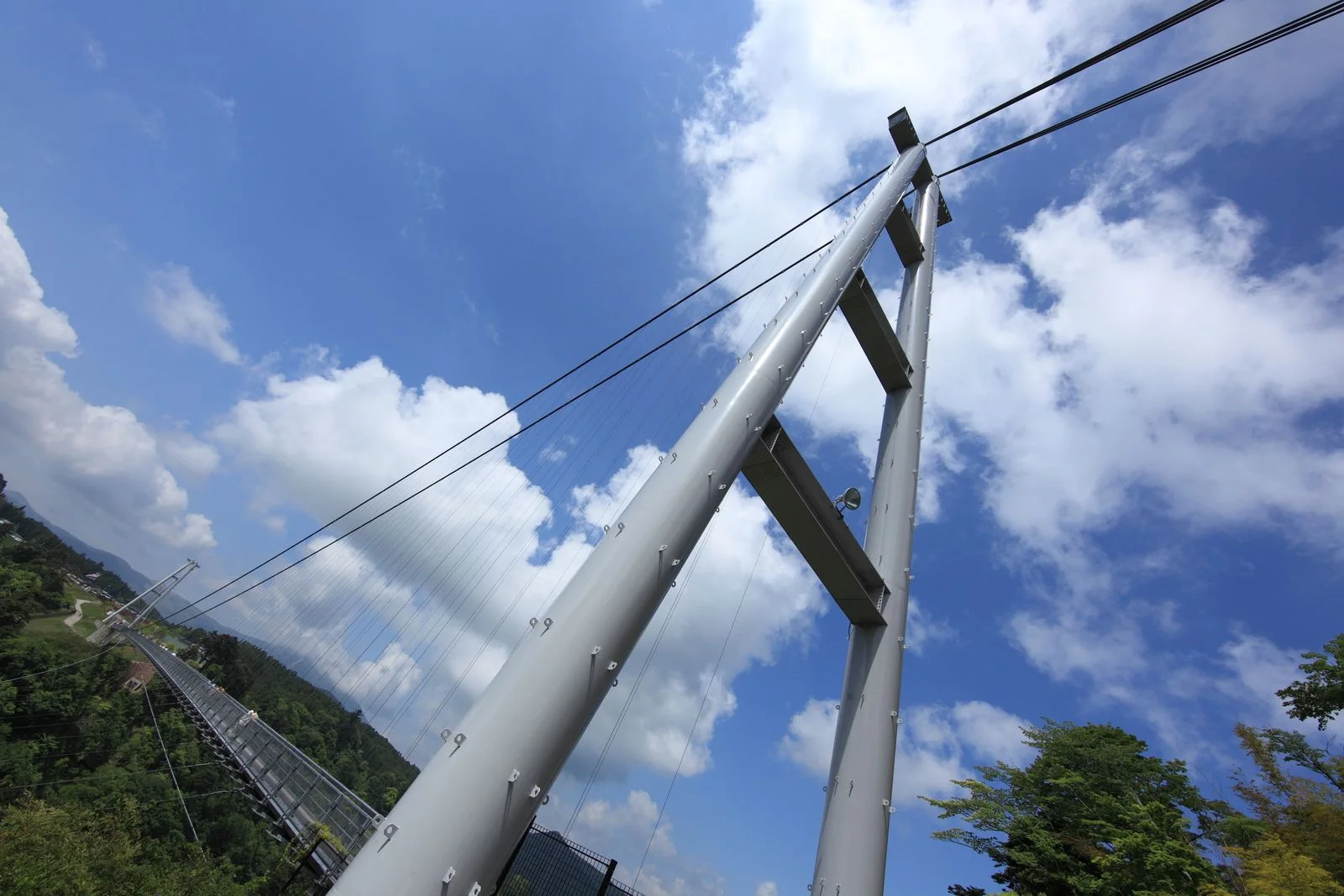
Last checked August 4, 2026. Current admission is ¥500 for adults and ¥200 for elementary-school children. The bridge opens 8:30am–5pm from November through June, with ticket sales ending at 4:30pm, and 8:30am–6pm from July through October, with sales ending at 5:30pm. There’s no regular closing day, but weather can restrict entry. The announced ¥1,000 adult price only kicks in on January 1, 2027 — not this year.
Kokonoe Dream Suspension Bridge autumn leaves: choose sightseeing, boardwalk or hiking first
↔ Scroll table left or right
Activity | Time | Best for |
Dream Bridge | 45–90 minutes | General sightseeing and first visits |
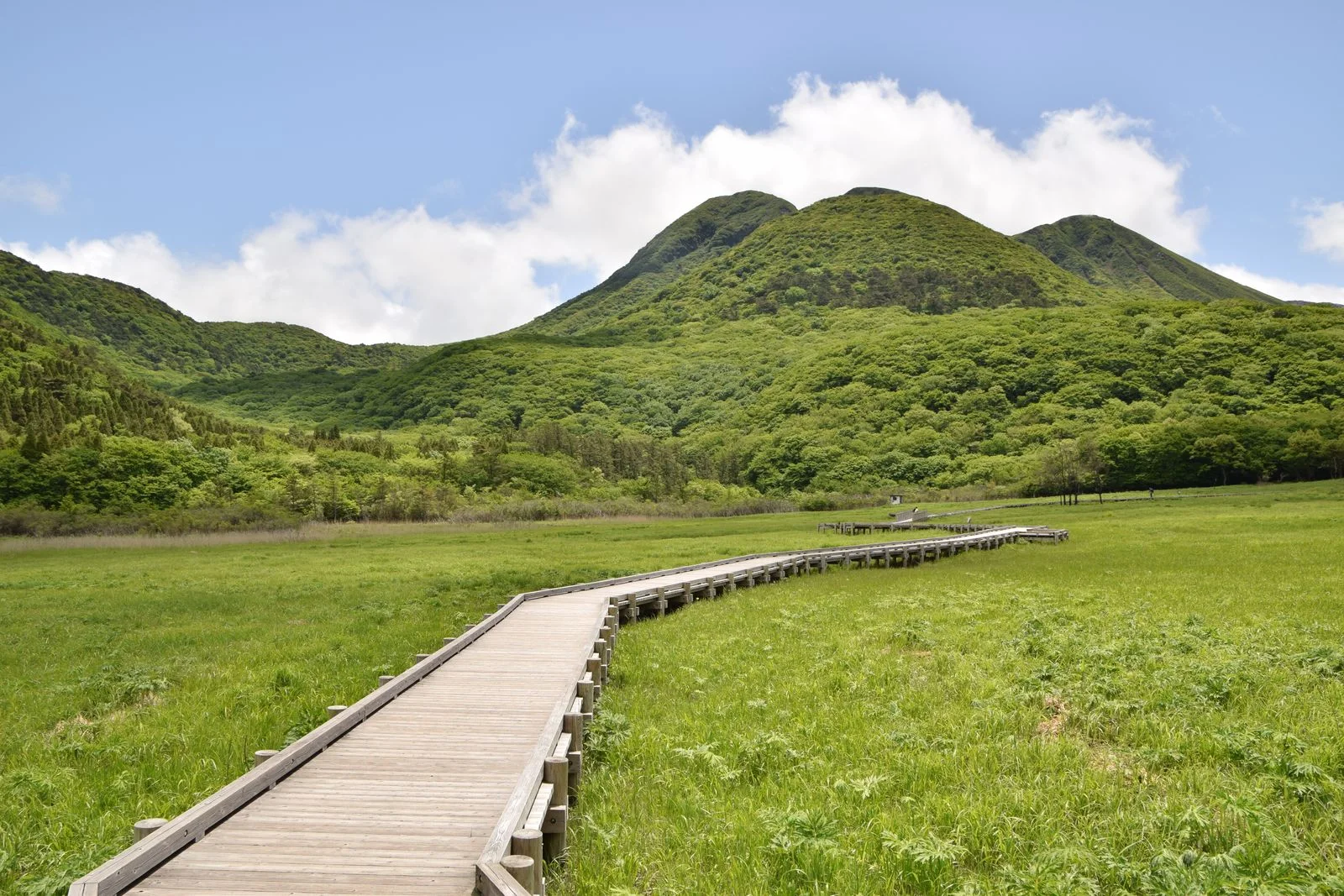
Chojabaru boardwalk | 30–90 minutes | Families, older travellers, flexible walking |
Makinoto hiking | Short lookout to 5+ hours |
The mountain and bridge do not peak together
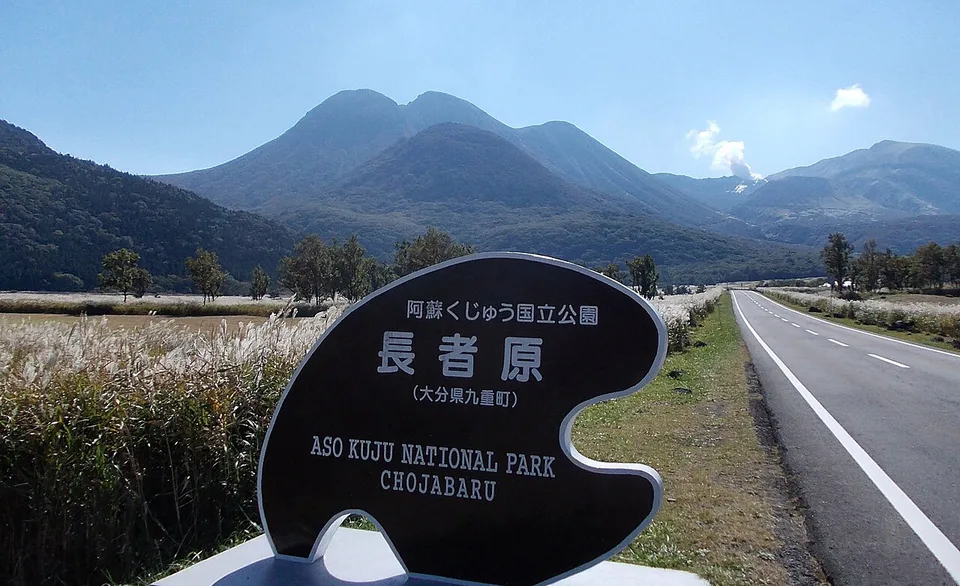
Upper Kuju usually colours earlier, in mid to late October, and also finishes earlier through frost, wind and leaf fall. Chojabaru sits between the high trailhead and the lower valleys. The bridge, Kyusuikei and the lower gorge areas generally stay useful longer. A green bridge in late October doesn’t mean Makinoto is green too; bare mountain slopes in early November don’t mean the bridge is done for the season.
Build a high, middle and low fallback within the same corridor. If the upper colour is running late and conditions are safe, move higher. If the upper route is bare or icy, drop down to Chojabaru, the bridge or Kyusuikei. Don’t cross the region late in the afternoon just because one live photo looks better — daylight and sparse transport impose a real limit here.
Self-drive sightseeing day: bridge and Chojabaru
A practical driving day reaches the bridge around opening time, wraps up the crossing and gorge views by about 10am, then continues on to Chojabaru for lunch, the visitor centre and a short boardwalk. Decide by 2pm whether to add Kyusuikei or head to an onsen. Hunting for parking and viewpoints after sunset wastes the whole point of having a car.
A full Makinoto car park means heading back to Chojabaru, not waiting on a bend or parking on the roadside. For sightseeing, the boardwalk is your replacement plan. For a planned hike, a full car park usually means your intended start time has already slipped too late. Having a vehicle doesn’t move the mountain-safety threshold.
International drivers need to carry the original licence plus the document accepted for its issuing country, register every driver, and confirm collision/NOC protection and seasonal tires. Taiwan licence holders use an authorised Japanese translation alongside the original licence. If you don’t have ice or snow driving experience, switch to a bus, charter or lower route the moment early-winter conditions show up.
Public transport and the separate last mile
The Kyushu Odan Bus connects parts of Beppu, Yufuin, Chojabaru, Makinoto, Kurokawa and Kumamoto, but services are limited and need checking by date. It works fine for a Chojabaru/Makinoto plan or a transfer across the mountains, but don’t expect hop-on flexibility at every autumn viewpoint.
The bridge has its own access problem, separate from all this. Its official site mentions regular buses from JR Bungo-Nakamura and some seasonal circulators, but the 2026 autumn timetable needs confirming before you travel. If the bridge is your priority, use a confirmed bus, tour or charter rather than assuming the Odan Bus to Chojabaru will get you there too.
Without a car, pick one main objective. A day built around Chojabaru shouldn’t depend on a late bridge transfer; a bridge tour should treat Chojabaru as optional. Missing one rural service can cost you several hours here — it’s nothing like missing a subway in the city.
Wind, fog and official bridge restrictions
Official restrictions can kick in during sustained strong wind, dense fog, heavy-rain or flood alerts, heavy snow, frequent lightning or excessive bridge occupancy. Umbrellas aren’t allowed on the bridge — bring a raincoat instead. The grated deck also rules out narrow heels. If you’re not comfortable with the height, you can still use viewpoints inside the paid area without forcing yourself through the full crossing.
Wheelchairs can be borrowed, but the final call still depends on wind, deck conditions and available assistance. Families carrying infants need extra care on the grated surface. If the bridge closes, head to Chojabaru, Kyusuikei, an onsen, Yufuin or Beppu rather than waiting indefinitely in the car park.
Where to stay and how to handle luggage
Stay around Kokonoe, Chojabaru or Sujiyu if you want an early mountain start or a real hike, but keep an eye on ryokan dinner and transfer times. Stay in Yufuin for Lake Kinrin and a ryokan experience, in Beppu for the biggest hotel selection and best rain resilience, or in Kurokawa for a Kumamoto/Aso-side two-day route. Just know Kurokawa isn’t next to the bridge.
Forward your main suitcase to Yufuin, Beppu or the next city hotel and carry one overnight bag. Confirm whether a mountain property offers a transfer, the exact pickup point, final check-in, dinner and next-day transport. Location and transfer logistics matter a lot more here than an abstract hotel rating.
Search Kokonoe hotels on Booking.com
Compare Kokonoe and Beppu hotels on Expedia
Compare Japan rental cars on Klook
Frequently asked questions
Can the bridge and Chojabaru fit in one day?
Yes, by car, as a sightseeing day without a summit hike. Without a car, it depends on the confirmed dated connections.
What is the 2026 adult admission?
¥500 — the announced ¥1,000 adult fare doesn’t begin until January 1, 2027.
Which option suits older travellers?
Start with the Chojabaru visitor centre and a short boardwalk. Assess height, balance and wind before attempting the bridge — a formal Makinoto hike is a different activity altogether.
Official sources and last verification
This information was last checked on August 4, 2026. Live colour, seasonal buses, roads and trail conditions should be rechecked for your travel date.
Iya Valley Autumn Leaves Guide: Driving, Buses, Vine Bridges, Onsen and Hotels
Related guides: Ginsendai Autumn Leaves Guide: Shuttle Buses, Access Restrictions and Hiking · Unzen Nita Pass Autumn Leaves Guide: Ropeway, Access, Onsen and Nagasaki Routes · Japan Autumn Leaves Onsen Ryokan Guide: Foliage Views, Open-Air Baths and Access · Hakkoda Autumn Leaves Guide: Ropeway, Sukayu Onsen, Access and Weather Plans · Koyasan Autumn Leaves Guide: Temple Lodging, Morning Prayers and Access from Osaka · Hachimantai Autumn Leaves Guide: Scenic Drives, Buses, Onsen and Road Closures · What to Wear for Japan Autumn Leaves: Cities, Mountains, Rain and Snow · Mount Kurikoma vs Naruko Gorge: Hiking, Access, Onsen and Sendai Day Trips · Mt. Daisen Autumn Leaves: Driving, Buses, Hiking and Hotels · Asahidake vs Kurodake Autumn Leaves: Ropeways, Hiking and Where to Stay